
The chipped Formica of the library coffee shop felt cold under my elbows as I scrolled through concert listings, bracing for another night of algorithm-driven pop. Then I saw it: Low Lily, April 10th, Williamsburg Regional Library Theatre. $5.50. It felt…wrong. Not the price – astonishingly low in a touring music landscape increasingly priced out of reach for many – but the venue. A library? For a band that’s topped international folk radio charts and had their songs sung by choirs as anthems for peace? That dissonance is precisely what makes this concert so compelling, and a potent symbol of where live music is heading.
A Roots Revival in Unexpected Places
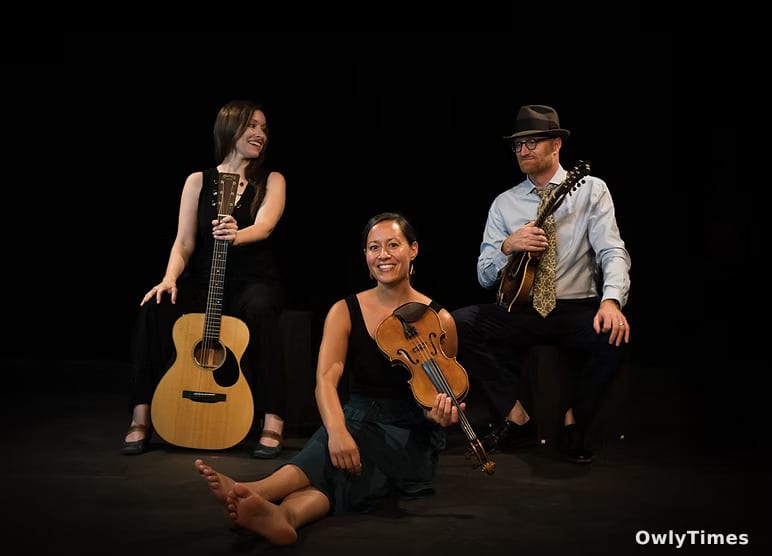
Low Lily, the New England-based trio of Liz Simmons, Flynn Cohen, and Elsie Gawler, isn’t just another band capitalizing on the current roots music resurgence. They’ve built a devoted following through genuine artistry, blending fiddle energy, bluegrass precision, and contemporary folk introspection into something uniquely their own. Two #1 songs on international folk radio and two Independent Music Awards aren’t accidents; they’re the result of meticulous musicianship and a willingness to cross genres. But the fact that they’re playing a library theatre, and at a price point accessible to almost anyone, speaks to a larger shift. The traditional concert circuit – the bars, clubs, and larger venues – is facing increasing pressure from rising costs and changing audience habits. Libraries, historically community hubs, are stepping into the void, offering a space for intimate performances and fostering a new kind of cultural access.
See the original wydaily.com story for the full account.
The band’s story itself reflects this tension between artistic ambition and practical realities. Simmons and Cohen, a married couple from Brattleboro, Vermont, have been the core of Low Lily, but the inclusion of Gawler on fiddle, banjo, and vocals for this spring tour is an “exclusive opportunity,” as the press release notes. It’s a lineup that won’t be seen again until 2026, suggesting a deliberate strategy of maximizing touring efficiency and capitalizing on unique moments. This isn’t a criticism, but a recognition of the economic pressures facing independent musicians. They’re not just creating art; they’re navigating a complex business landscape where every performance, every tour stop, needs to be strategically considered.
The Power of a Song, and a Foundation
Beyond the impressive musical credentials, Low Lily carries a weight of cultural significance. Their song “Hope Lingers On,” released in 2018, has resonated far beyond the folk music scene, becoming an anthem for peace and justice performed by choirs globally. In a moment defined by political polarization and social unrest, a song offering a message of hope isn’t just appealing – it’s necessary. This speaks to the enduring power of music to connect people across divides and to provide a soundtrack for collective yearning. The fact that this performance is made possible by the Friends of Williamsburg Regional Library Foundation is also crucial. At $5.50 (or $4.40 for Friends members), this isn’t a profit-driven venture; it’s a community investment. The Foundation is actively subsidizing access to the arts, recognizing its vital role in a thriving society.
This isn’t simply about providing entertainment; it’s about democratizing cultural experiences. The average ticket price for a concert in the US in 2023 was $102.83, according to data from Pollstar. Low Lily’s $5.50 ticket isn’t just a bargain; it’s a radical act of accessibility. It challenges the notion that live music is a luxury reserved for those who can afford it. It opens the door to audiences who might otherwise be excluded, fostering a more inclusive and vibrant cultural landscape. Simmons describes the show as “high energy and dynamic,” promising a mix of instrumentals and arranged songs featuring mandolin, guitars, fiddle, banjo, and three-part vocal harmonies. But the energy won’t just be coming from the stage.
What Happens When Libraries Become Venues?
The Williamsburg Regional Library isn’t alone in embracing live music. Libraries across the country are increasingly hosting concerts, workshops, and other cultural events, transforming themselves from quiet repositories of knowledge into dynamic community spaces. This trend is likely to accelerate as traditional venues struggle and as audiences seek out more affordable and accessible options. But will this model be sustainable? Can libraries handle the logistical challenges of hosting live performances? And, perhaps more importantly, will it change the way we think about music and its role in our lives? The success of Low Lily’s April 10th performance – and the continued support of organizations like the Friends of the Williamsburg Regional Library Foundation – will be a crucial test case. Will other artists follow suit, embracing the intimacy and accessibility of library venues? Or will the lure of larger profits and bigger stages prove too strong? The future of live music may well be written, not in the bright lights of arenas, but in the quiet corners of our libraries.