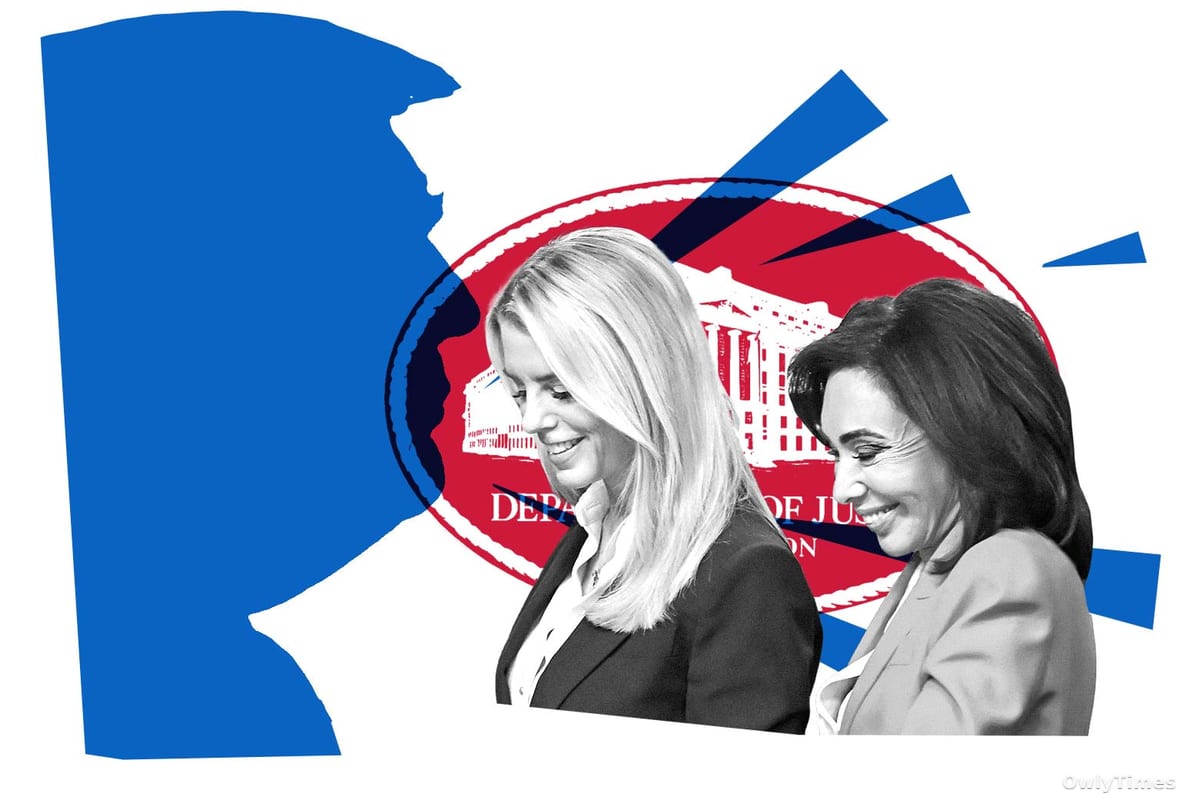

The Erosion of Competence: How the Trump Administration Rewards Failure
The Trump Administration, even years after its initial departure from power, continues to exert a gravitational pull on American politics, not through policy successes, but through a perverse incentive structure. The current landscape reveals a disturbing trend: within certain circles, the surest path to retaining favor – and a job – is not through competence, but through demonstrable willingness to pursue demonstrably bad ideas, regardless of legal or ethical constraints. This isn’t merely about political loyalty; it’s a systemic devaluation of expertise and a chilling embrace of performative subservience. We are, as one newsletter author aptly put it, “captives now to the ‘audience of one.’”
This piece references the slate.com report.
Background & Context: A Pattern of Prioritization
This dynamic didn’t emerge in a vacuum. It’s a direct continuation of patterns established during the first Trump administration, where challenging the president’s pronouncements, even with factual evidence, often resulted in swift dismissal. The emphasis shifted from reasoned policy debate to unwavering public affirmation. This created a culture where individuals were valued not for what they knew, but for how enthusiastically they echoed the desired narrative. The recent events detailed – from Jeanine Pirro’s failed prosecution of Democratic lawmakers to Pam Bondi’s disastrous congressional testimony – aren’t isolated incidents. They represent a continuation of a strategy where public humiliation and legal rebuke are acceptable collateral damage in the pursuit of pleasing an individual. The attempted punishment of Sen. Mark Kelly by Defense Secretary Pete Hegseth, ultimately blocked by a judge upholding Kelly’s First Amendment rights, is a stark example of this willingness to disregard established norms. This represents a shift from a government operating under the rule of law to one operating under the rule of a personality.
The Spectacle of Incompetence and the Pursuit of Approval
The cases outlined are particularly revealing because of the sheer obviousness of the failures. Pirro, as U.S. Attorney, pursuing charges that a grand jury unanimously rejected is not a sign of zealous advocacy; it’s a demonstration of prioritizing political directives over legal merit. Similarly, Bondi’s performance before the House Judiciary Committee – shouting, offering irrelevant attacks, and praising the stock market in response to questions about Jeffrey Epstein – wasn’t a strategic misstep; it was a calculated performance designed to signal unwavering loyalty to Donald Trump. The fact that Trump publicly praised Bondi’s “fantastic” performance underscores the core principle at play: competence is secondary to demonstrable allegiance. The Howard Lutnick situation, with the discrepancies between his initial statements about his relationship with Epstein and the revealed evidence of a visit to Epstein’s island, further illustrates this point. The administration’s tolerance of such contradictions suggests a willingness to overlook ethical lapses as long as the individual remains publicly supportive.
What This Means: Eroding Institutions and Normalizing Bad Faith
The implications of this trend are far-reaching. For the public, it means a government increasingly divorced from reality and accountability. The erosion of institutional integrity – the Department of Justice pursuing politically motivated cases, the Defense Department attempting to suppress free speech – undermines public trust and weakens the foundations of democracy. For the legal profession, it represents a dangerous precedent where legal principles are subordinated to political expediency. For the Republican party, it creates a situation where genuine policy debate is stifled, and individuals willing to challenge the prevailing orthodoxy are marginalized. The failed attempt to block votes on Trump’s tariffs, spearheaded by Speaker Mike Johnson, highlights this tension. While Trump threatened repercussions for dissent, a small but significant number of Republicans were willing to defy him, suggesting a growing, albeit fragile, resistance to this dynamic. The Virginia redistricting case, championed by Louise Lucas, demonstrates a willingness to fight fire with fire, but also underscores the escalating polarization and the breakdown of norms surrounding fair representation.
Looking Ahead: A Precarious Future
The situation is unlikely to resolve itself quickly. As long as Trump remains a powerful force in Republican politics, the incentive structure rewarding failure and punishing dissent will persist. The upcoming election cycle will be a critical test. Will Republican lawmakers continue to prioritize loyalty over principle? Will voters reward or punish those who demonstrably prioritize pleasing Trump over serving their constituents? The ongoing investigations into Epstein and the potential for further revelations about the connections between his associates and prominent political figures will undoubtedly add further complexity to the situation. Readers should watch for continued attempts to weaponize government institutions for political purposes, the normalization of demonstrably false statements, and the increasing willingness of individuals to sacrifice their reputations – and potentially their legal standing – in pursuit of the “audience of one.” The future of American governance may well depend on whether a critical mass of individuals within the system can rediscover the value of competence, integrity, and a commitment to the rule of law.





