
The calculus is simple: Donald Trump understands that his continued influence over the Republican Party isn’t measured by sheer popularity, but by his ability to dictate outcomes in primaries. As his broader political power wanes under the weight of legal challenges and a potentially bruising general election rematch with Joe Biden, Trump is doubling down on shaping the GOP through endorsements – or, crucially, the threat of endorsements. This isn’t about ideological purity; it’s about maintaining control, a strategy that’s already yielded mixed results and carries significant risk for the party’s future, particularly in key Senate races. The current standoff in Texas, where Trump remains conspicuously silent on the GOP primary between John Cornyn and Ken Paxton, exemplifies this dynamic.
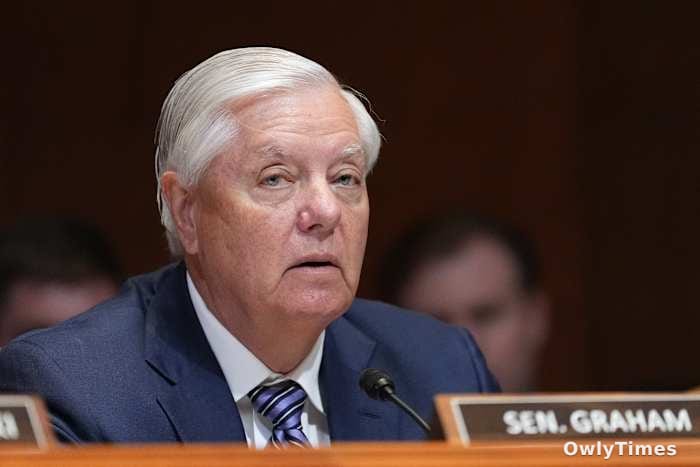
Senate GOP leaders are openly lobbying Trump to endorse Cornyn, the incumbent, arguing he represents the party’s best chance of holding the seat. The urgency isn’t merely about Texas; it’s about preserving a fragile Senate majority. Losing Texas would be a “massive blow” to the GOP, as former Michigan GOP Rep. Fred Upton bluntly stated, potentially handing control of the chamber to Democrats. Yet, Trump appears to be enjoying the spectacle of establishment Republicans pleading for his favor, a position he highlighted at Mar-a-Lago on February 1st: “They say whoever I endorse wins. As Trump’s broader political power dims… it burns brightly in the GOP primaries.” This calculated ambiguity isn’t accidental. It’s a demonstration of power, a reminder to the entire party that their fortunes still hinge on his approval.
This article draws on reporting from USA Today.
The pattern is familiar. Trump has long used endorsements as a weapon, purging those who’ve crossed him – figures like Liz Cheney and Jeff Sessions – while elevating loyalists, even those with questionable general election prospects. GOP consultant Matthew Bartlett succinctly captures the essence of this approach: “You never know when he will stick his finger in the eye of a political ally or where he will elevate a complete MAGA dud.” The 2022 midterm elections offered a stark illustration of this risk. The failed Senate bids of Mehmet Oz in Pennsylvania and Herschel Walker in Georgia, both Trump-backed candidates, demonstrated that loyalty doesn’t always translate to victory. The question now is whether Trump has learned from those setbacks, or if he’s willing to risk repeating them in 2026.
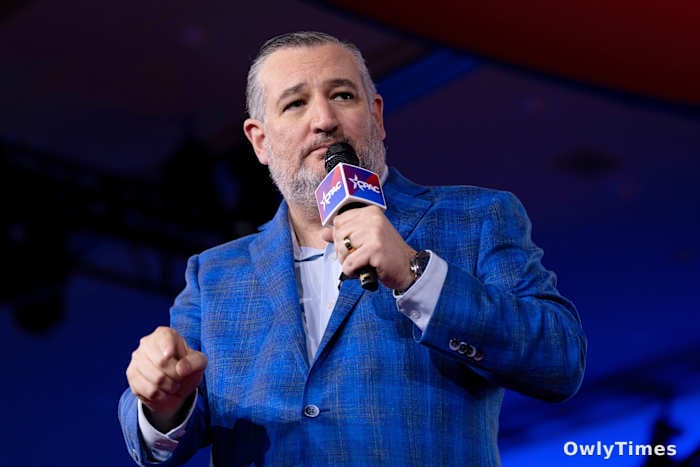
The Texas primary is a microcosm of this larger tension. Cornyn, a longtime establishment figure, is facing a challenge from Paxton, a MAGA firebrand embroiled in legal troubles. Trump’s hesitation stems, in part, from a desire to avoid “disappointing” his base, as Cornyn himself speculated. But it also reflects a broader strategy of rewarding loyalty, even if it means backing candidates with limited appeal beyond the most fervent Trump supporters. The Real Clear Politics average currently shows Paxton with a slight lead, a worrying sign for Republicans who believe Cornyn is the more electable candidate. A runoff election is likely, further prolonging the uncertainty and potentially draining party resources.
This isn’t an isolated incident. Trump has also endorsed a primary challenger to Louisiana Senator Bill Cassidy, who, despite largely backing Trump’s agenda after a vote to impeach him, incurred the president’s wrath. While Louisiana is considered a safer seat for Republicans, the move underscores Trump’s willingness to target even those who’ve demonstrated loyalty. The pattern echoes historical precedents – the use of presidential endorsements to reshape a party’s ideological landscape isn’t new. Think of Franklin D. Roosevelt’s purges of conservative Democrats in the 1930s, or Ronald Reagan’s efforts to cultivate a new generation of conservative leaders. However, Trump’s approach is uniquely characterized by its personal animosity and willingness to embrace candidates who may be liabilities in a general election.
The success rate of Trump’s endorsements – 95% in 2018 primaries, 97% in 2020, and 93% in 2022 – is undeniably impressive. But the general election record is far more uneven. The losses of Masters in Arizona, Oz and Walker in 2022, and Kari Lake in Arizona demonstrate that a Trump endorsement is no guarantee of victory. The White House’s silence on Trump’s endorsement strategy speaks volumes. The president is operating with a degree of autonomy, leveraging his influence to shape the party in his image, even if it means risking winnable races.
The political chess move to watch next isn’t simply if Trump will endorse in Texas, but when and how he frames that decision. Will he explicitly back Paxton, signaling a full embrace of the MAGA wing? Or will he delay further, continuing to dangle the possibility of an endorsement to maintain leverage over both candidates – and, more importantly, over the entire Republican Party? The answer will reveal not only the future of the Texas Senate race, but the broader direction of the GOP in the years to come.