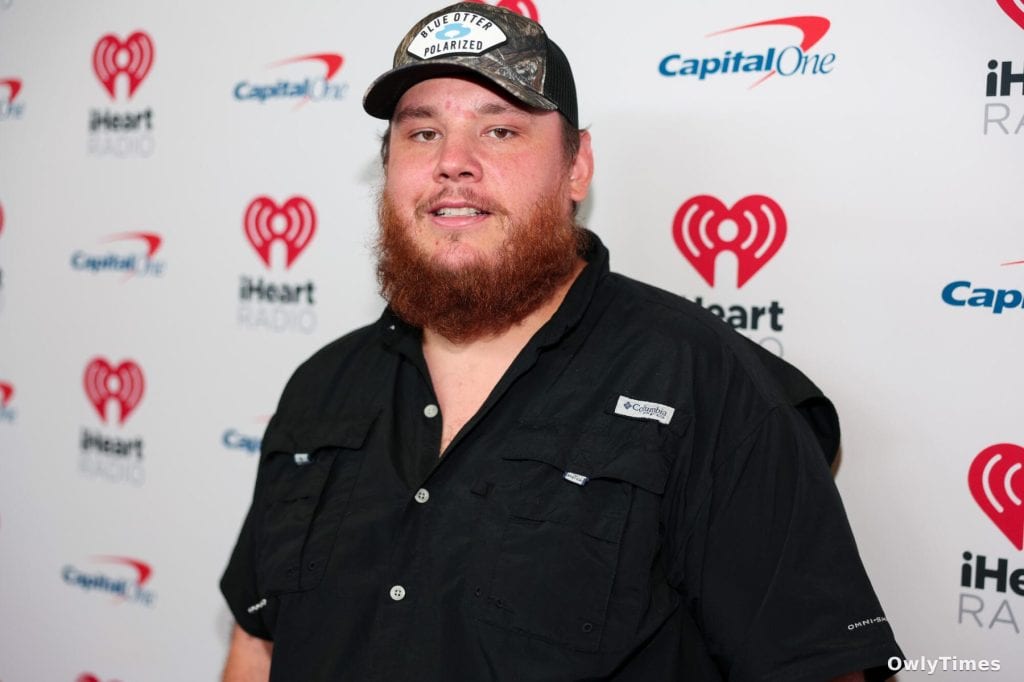

The scent of Carolina barbecue, a twang of steel guitar, and the echo of a sold-out crowd – that’s the atmosphere Luke Combs is exporting beyond Nashville, and now, beyond Las Vegas. On February 17, 2026, the announcement dropped: Category 10, the entertainment venue born from Combs’ platinum-selling hit “Hurricane,” is setting up shop in Orlando, Florida, slated to open in late 2027 at Universal CityWalk. But this isn’t just about another concert hall; it’s a calculated bet on the continued mainstreaming of country music, and a fascinating case study in how artists are leveraging brand extensions to build immersive experiences in a post-streaming world.
Beyond the Music: Building a Country Lifestyle Brand
The expansion of Category 10 – already established in Nashville (opened 2024) and with a Las Vegas location debuting in fall 2026 – speaks to a larger trend. Artists aren’t simply selling albums or concert tickets anymore; they’re selling lifestyles. Combs isn’t just offering a place to hear his music; he’s offering a curated experience steeped in his personal narrative – Carolina roots, line dancing, and a distinctly unpretentious vibe. The 33,000 square-foot, three-story Orlando venue is designed to be experiential, a deliberate move away from passive consumption and towards active participation. This is particularly shrewd considering the current entertainment landscape, where live experiences are increasingly valued over physical media. In 2023, live music revenue reached $30.2 billion, a 20% increase from pre-pandemic levels, according to Pollstar, demonstrating a clear consumer preference for in-person events. Category 10 is positioning itself to capitalize on that demand, offering a consistent brand identity across multiple locations.
This article draws on reporting from billboard.com.
The choice of Orlando is also significant. While Nashville remains the heart of country music, Orlando is a global tourism hub, welcoming over 74 million visitors in 2023, according to Visit Orlando. This isn’t about preaching to the choir; it’s about converting new fans. Colin Reed, executive chairman of OEG parent company Ryman Hospitality Properties, explicitly stated the goal: “expanding the Category 10 footprint into this world-class entertainment destination allows us to introduce visitors to an authentic country music experience.” This is a strategic play to broaden the genre’s appeal, tapping into a massive influx of potential listeners who might not otherwise seek out country music. It’s a calculated risk, but one that aligns with the genre’s recent surge in popularity – country music consumption increased by 25% across streaming platforms in 2024, according to Luminate data.
The Opry Entertainment Group’s Expanding Footprint
This isn’t a solo venture for Combs. The partnership with Opry Entertainment Group (OEG) is crucial. OEG, which also operates Blake Shelton’s Ole Red in Orlando, brings established infrastructure and expertise in the hospitality and entertainment sectors. The presence of Ole Red already demonstrates Orlando’s appetite for country-themed entertainment, reducing the risk associated with launching a new venue. However, it also introduces a potential tension: can Orlando support two major country-branded entertainment destinations? Ole Red caters to a slightly different demographic, leaning into a more boisterous, party-centric atmosphere, while Category 10 aims for a more refined, experience-driven approach. The success of both venues will depend on their ability to carve out distinct niches within the Orlando market.
Combs’ personal connection to Florida – his wife hails from the state – adds another layer to the story. His statement, “My wife is from Florida, so we’re both super excited about this,” feels genuine and underscores the personal investment in the project. This authenticity is a key component of the Category 10 brand, differentiating it from more corporate-driven entertainment ventures. It’s a reminder that behind the business deals and expansion plans, there’s a human story driving the vision. As Combs himself put it, channeling a lyric from his song “1, 2 Many,” “there’s no stopping me once I get goin’.”
What Happens When Authenticity Meets Scale?
The Category 10 expansion isn’t without its potential pitfalls. Maintaining authenticity as the brand scales will be a significant challenge. The risk of becoming overly commercialized, losing the intimate feel that initially attracted fans, is ever-present. Furthermore, the success of the Orlando location will hinge on its ability to deliver a consistently high-quality experience. A single negative review or a poorly executed event could damage the brand’s reputation. The question now is: can Category 10 successfully replicate the magic of its Nashville flagship in a vastly different market, and can OEG manage the logistical complexities of operating multiple venues across the country? Will the carefully curated “Carolina-style” experience resonate with international tourists, or will it feel contrived? The industry will be watching closely to see if Luke Combs can truly build a country music empire, one line dance and plate of barbecue at a time.