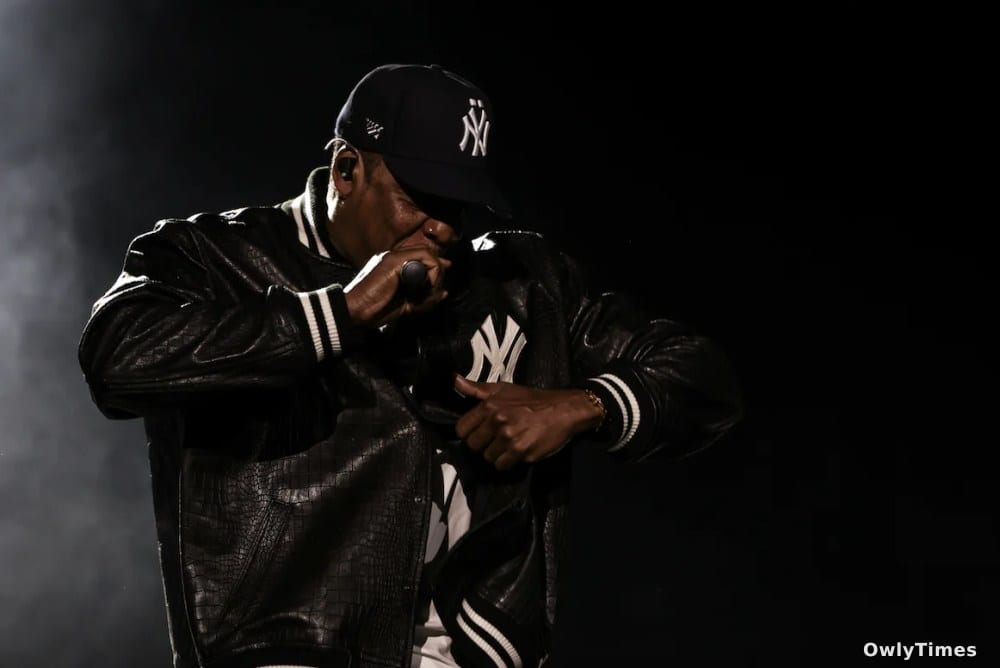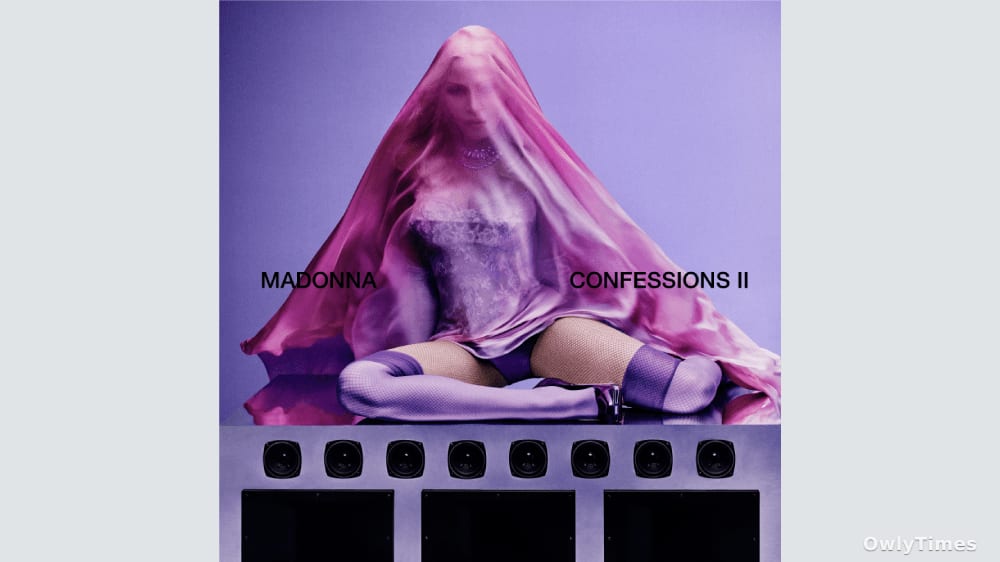

The line outside the Knockdown Center in Queens stretched for blocks, a winding testament to a devotion that has defied decades of industry shifts. On the night of July 11, thousands of fans braved a humid New York City evening not for a ticketed arena tour, but for a free, immersive spectacle titled "Club Confessions." Hours later, that frantic energy would be validated on a national scale: Madonna’s new album, Confessions II, officially debuted at No. 1 on the Billboard 200, according to Billboard.
The commercial victory is as massive as it is historic. The album moved 134,000 equivalent album units in its first week, a figure confirmed by both Variety and Rolling Stone. This performance marks Madonna’s 10th No. 1 album, cementing her status as a rare icon capable of bridging the gap between physical media collectors and the streaming era. Indeed, the album achieved the singer’s best streaming week ever, with 19,000 streaming equivalent album (SEA) units—representing 20.1 million on-demand streams—while physical and digital sales accounted for a robust 114,000 copies, her strongest sales week since 2012.
A Legacy Written in Decades
Beyond the raw numbers, the cultural weight of this moment lies in its longevity. Madonna has now become the first artist of the 2020s to land a No. 1 album in four different decades, having topped the charts in the 1980s, 2000s, 2010s, and now the 2020s. While Rolling Stone notes the ironic exclusion of her 1990s output from this streak, the achievement places her in an elite tier. According to Variety, she now joins the Beatles as one of only two artists to achieve 10 No. 1 albums on both the American and British charts.
The success of Confessions II is particularly striking given the lack of a breakout radio hit. While her duet with Sabrina Carpenter, “Bring Your Love,” peaked at a modest No. 74 on the Hot 100, fans ignored the charts in favor of the album’s cohesive, dance-heavy narrative. Critics have mirrored this enthusiasm; Variety highlights an 84 average grade on Metacritic, while Rolling Stone critic Rob Sheffield hailed the record as a "64-minute nonstop groove" and her best work in two decades.
The Club as a Cultural Crucible
The "Club Confessions" event in New York served as the ultimate proof-of-concept for this "nonstop" philosophy. Featuring collaborators like Stuart Price and Honey Dijon, the party turned the venue into an autobiographical dance floor. Attendees—including celebrities like Kim Petras and Bob the Drag Queen—witnessed a setlist that seamlessly blended new cuts like "Danceteria" with vintage staples like "Physical Attraction." As Billboard observed, the event was less a standard promotional stop and more a masterclass in community-building, where the physical act of dancing served as the primary marketing tool.
As the industry watches the charts, this week’s data provides a clear signal: the audience for legacy acts is not just present—it is growing. With the Rolling Stones poised to potentially reach 39 total No. 1 albums depending on their own upcoming release performance, the race for the top of the Billboard 200 remains a high-stakes arena. For now, Madonna remains in a class of her own, proving that for a true icon, the most potent way to command the future is to lean entirely into one's own history.