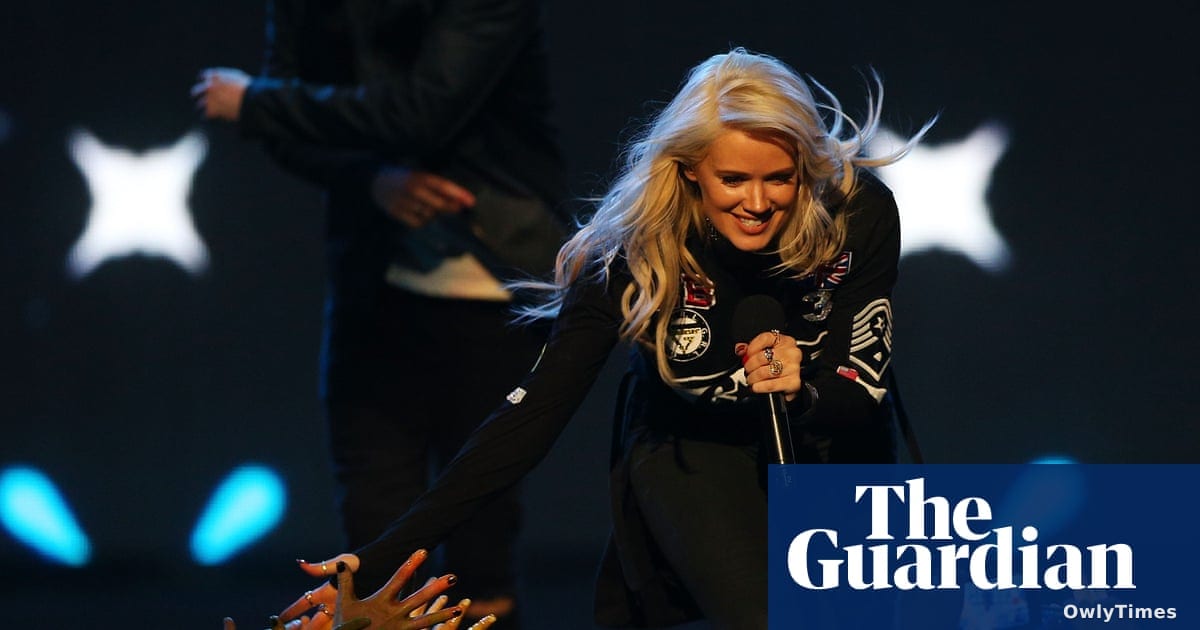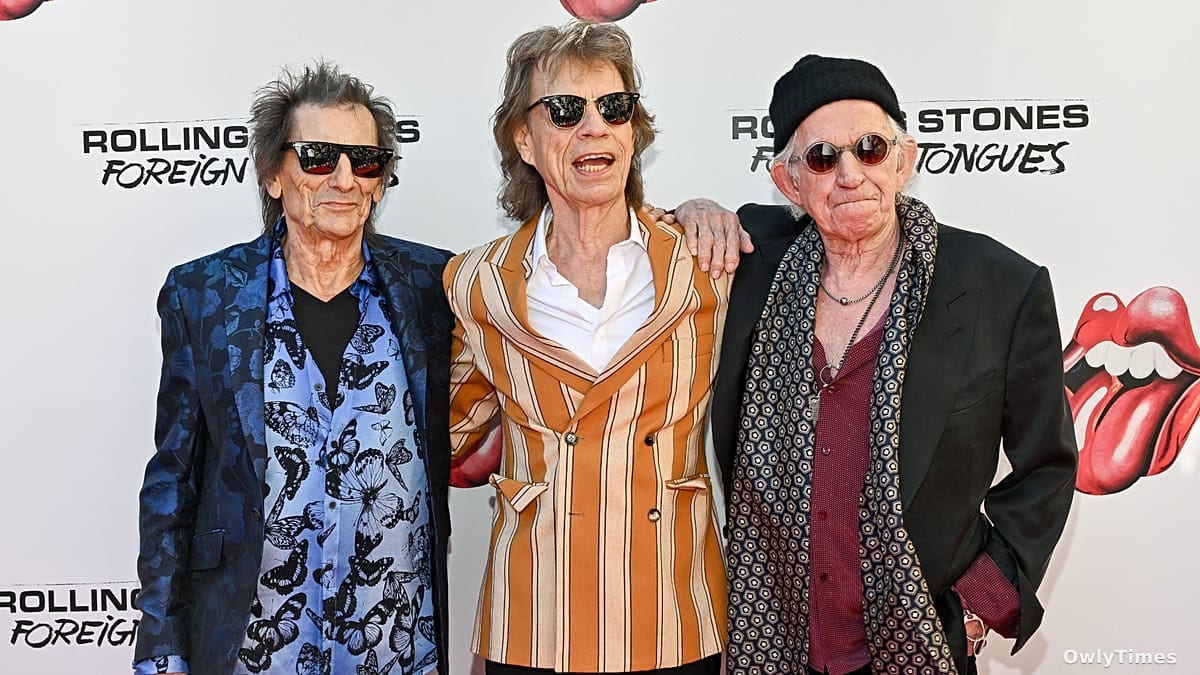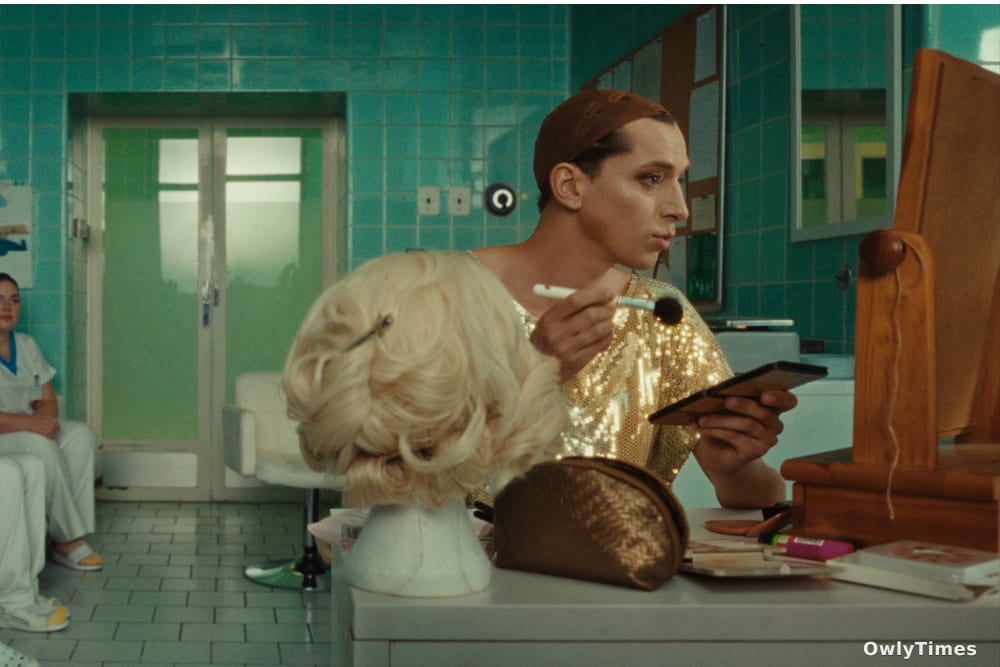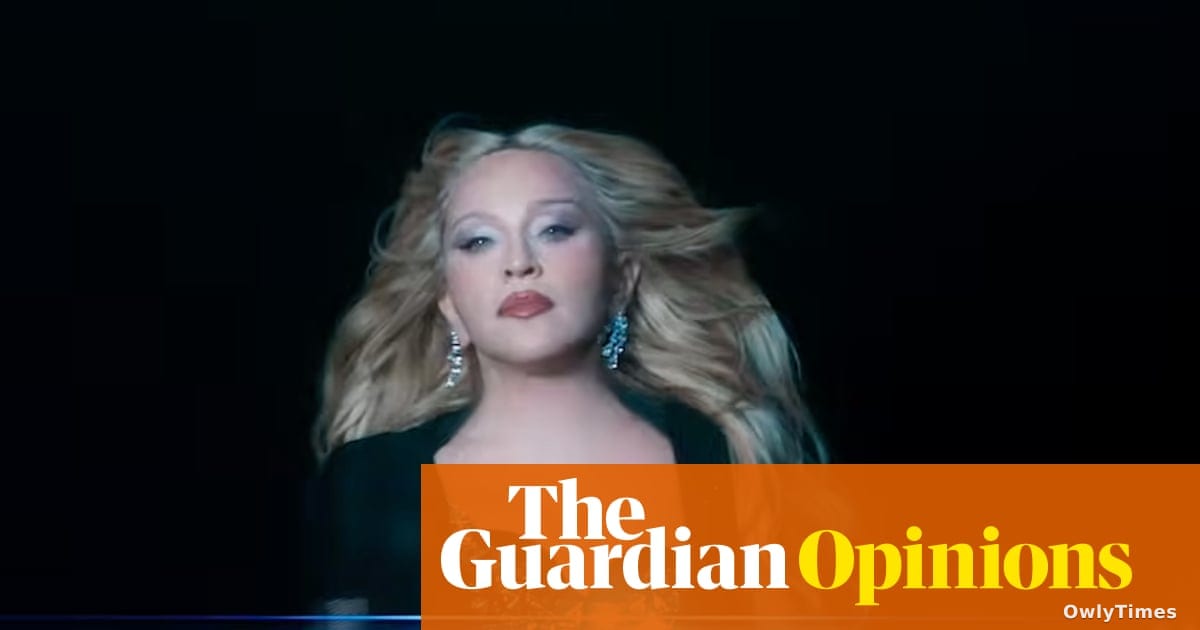

The neon lights of a bygone New York City nightlife have flickered back to life, signaling a radical shift for the woman who once built an empire on the philosophy of never looking back. Madonna has officially released Confessions II, a sonic homecoming that serves as the long-awaited sequel to her 2005 dance-floor magnum opus. While the pop icon spent the better part of the 2010s chasing modern trends—an era marked by the globe-straddling Madame X and the power-pop experimentation of Rebel Heart—her latest project finds her reclaiming the Chicago house and Detroit techno roots that defined her early years.
A Ritual of Memory and Movement
The pivot is as personal as it is professional. As reported by The Guardian, the album’s creation was deeply influenced by the artist’s near-death experience in 2023 due to a severe bacterial infection, a trauma that seemingly unlocked a reservoir of reflection. Reuniting with producer Stuart Price, who helmed the original Confessions on a Dance Floor and served as the musical director for her recent Celebration tour, Madonna has traded the committee-led songwriting camps of her recent past for an intimate, improvisatory process. According to the BBC, the album is a defiant rejection of the modern algorithmic approach to music, with Madonna stating that prioritizing streaming metrics over art is the "complete opposite" of her creative process.
The centerpiece of this reflection is the track "Danceteria," a vivid, rap-infused homage to the legendary Manhattan nightspot that launched her career. The song features a star-studded visual accompaniment, with Billboard detailing a short film released in June that features cameos from Kate Moss, Benedict Cumberbatch, and Gwendoline Christie. The behind-the-scenes footage reveals a playful, nostalgic energy, with Christie remarking, "I’ve waited my whole life to do this," while recreating the gritty, communal atmosphere of the early 80s club scene.
Facing the Ghosts of the Past
Beyond the dance-floor euphoria, Confessions II is anchored by the emotional weight of long-held grievances and recent losses. The Guardian highlights the track "Fragile," written in the wake of the death of her brother, Christopher Ciccone, with whom she had experienced a long, public estrangement. The album also navigates the lingering sting of past relationships, such as her marriage to Sean Penn, and familial betrayals. This raw, autobiographical vulnerability marks a stark departure from the polished, often guarded persona she maintained during her mid-career transitions.
However, critics remain divided on the album’s consistency. While the BBC praises the opening 30 minutes as "impeccable," the outlet notes that the middle of the record suffers from repetition, suggesting that the mantra of rhythm as a healing force occasionally loses its punch. Furthermore, while the lead single "Bring Your Love"—a collaboration with Sabrina Carpenter—was intended as a defiant anthem, it stalled at number 29 on the UK singles chart.
The Cultural Stakes
For an artist who has sold more than 400 million records, Confessions II represents more than just a nostalgia play; it is an assertion of agency. By re-signing with Warner Records in 2021 and securing global rights to her back catalogue, Madonna has effectively insulated herself from the pressure to mimic current stars like PinkPantheress or Charli XCX.
This moment matters because it challenges the industry’s unspoken rule that aging female pop stars must either fade away or perform a sanitized, greatest-hits version of their younger selves. Instead, Madonna is using the past as a tool for present-day catharsis. Whether or not the album reaches the commercial heights of her 2005 original, it marks a significant shift in her industry standing: she is no longer racing to catch the future. She is finally, and perhaps for the first time, comfortable sitting in the memories that built her.