
The Calculated Risk of Proximity: Mar-a-Lago and the Escalating Cost of Political Polarization
The immediate response to Sunday’s incident at Donald Trump’s Mar-a-Lago resort – a 21-year-old man, Austin Tucker Martin, shot and killed after approaching Secret Service with a shotgun – focuses on security failures and potential threats to the former President. But the strategic calculus at play here isn’t simply about a breach of perimeter; it’s about the escalating cost of proximity to a figure who consistently draws both fervent support and intense animosity, and the willingness of individuals to act on the extremes of that spectrum. The fact that Martin purchased the weapon en route to Florida, as stated by Secret Service spokesperson Anthony Guglielmi, suggests a degree of premeditation, but also a reactive impulse – a decision made in transit, rather than a long-simmering plot.
This article draws on reporting from abc7chicago.com.
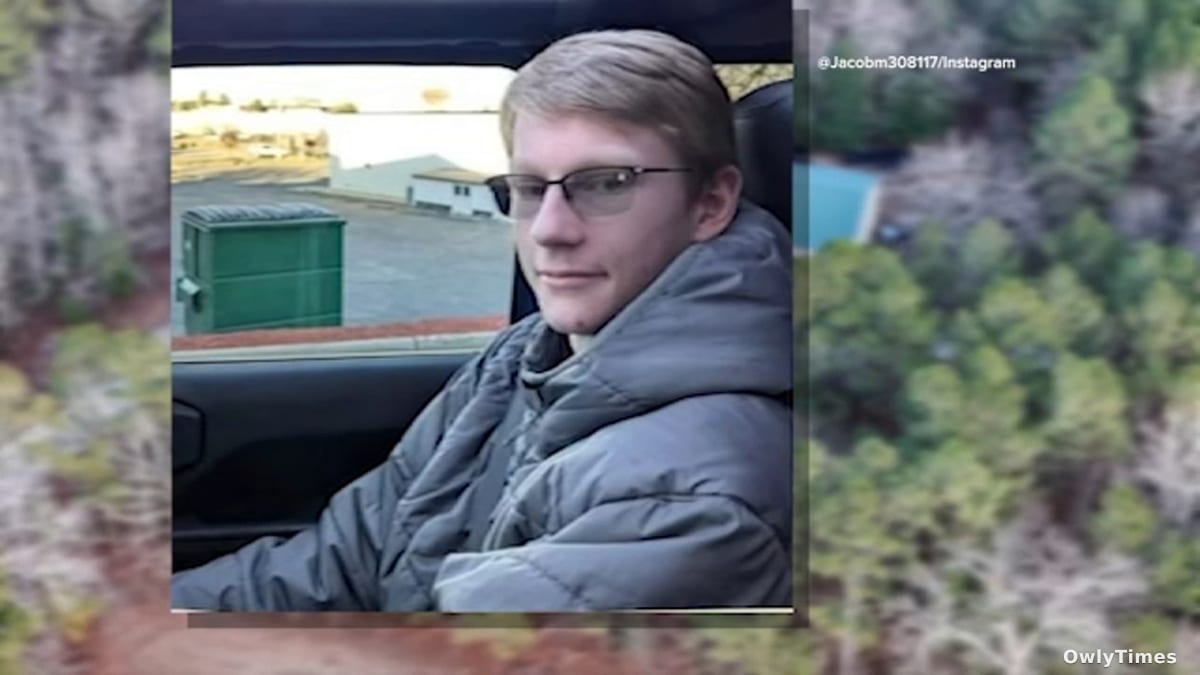
The details surrounding Martin paint a confounding picture. Described by his cousin, Braeden Fields, as someone “afraid of guns” who “wouldn’t even hurt an ant,” he comes from a family of Trump supporters yet rarely engaged in political discussion. This dissonance is crucial. It suggests Martin’s actions weren’t driven by a clear ideological agenda, but by something more personal and potentially volatile. His recent loss – the death of his sister in a car wreck in 2023 – coupled with a brother serving in the military, hints at underlying emotional pressures. The fact that he registered an LLC, Fresh Sky Illustrations, and created sketches of local golf courses, including those near his former employment at Pine Needles Lodge & Golf Club, reveals a creative outlet and a desire for a conventional life, further complicating the narrative of a committed political actor. Who benefits and who loses here isn’t a simple partisan equation. Trump’s security apparatus faces scrutiny, but the larger beneficiary is the narrative of escalating political violence, a narrative that serves to further entrench existing divisions.
This incident isn’t isolated. Trump faced two prior attempted attacks during the 2024 campaign, including one alarmingly close to Mar-a-Lago itself. This pattern isn’t new; throughout American history, figures who inspire intense loyalty and equally intense opposition have been targets of violence or attempted violence. The attempted assassination of Theodore Roosevelt in 1912, just weeks before his presidential inauguration, shares a chilling parallel – a lone individual, driven by a complex mix of political and personal grievances, attempting to strike at the heart of the American political system. The difference now is the speed and amplification of these events through social media and 24-hour news cycles, creating a climate of heightened anxiety and fear. The fact that Martin voted early in the 2024 election as an unaffiliated voter adds another layer of complexity, challenging the assumption that this was a purely partisan act.
The response from law enforcement, as detailed by Palm Beach County Sheriff Ric Bradshaw, – “to neutralize the threat” – is standard protocol, but it also underscores the increasingly aggressive posture adopted by security forces in the face of perceived threats. This raises questions about the balance between protecting high-profile figures and respecting due process. The investigation into Martin’s journey from Moore County, North Carolina, to Florida is critical, but it’s unlikely to yield a simple explanation. The focus on his recent purchase of the shotgun, as reported by Guglielmi, suggests investigators are prioritizing the logistical aspects of the attack, but the underlying motivations may remain elusive. The fact that Martin was reported missing by his family before the incident suggests a potential mental health crisis, a factor often overlooked in the immediate aftermath of such events.
The political chess move to watch next isn’t about increased security at Mar-a-Lago – that’s a given. It’s about how both parties will leverage this incident to shape the narrative surrounding the 2026 midterm elections. Will Democrats emphasize the dangers of right-wing extremism, pointing to Trump’s rhetoric as a contributing factor? Or will Republicans frame Martin as a lone wolf, a disturbed individual whose actions shouldn’t be attributed to the broader political climate? The answer will reveal not only the strategic priorities of each party, but also their assessment of the public’s appetite for further polarization. The question isn’t whether another incident will occur, but when, and how effectively it will be weaponized.





