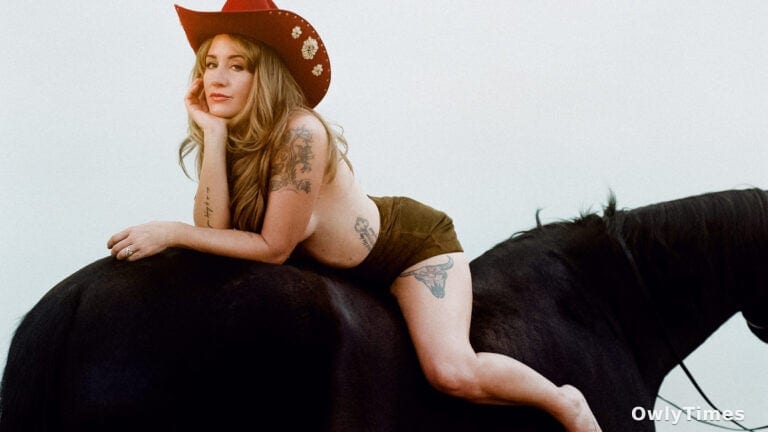

The air in The Royale hung thick with anticipation, a low hum of conversation punctuated by the clinking of glasses. But it wasn’t just another Friday night in Boston. It was a gathering of people drawn to a voice that doesn’t ask permission, a songwriter who refuses to be neatly categorized. Margo Price is in town, and the energy feels less like a concert and more like a rally – a testament to an artist who embodies a lineage of defiant truth-tellers, stretching from the folk protests of Joan Baez to the outlaw spirit of Johnny Cash. Because in an era of carefully curated pop personas and algorithm-driven country, Price isn’t just making music; she’s making a statement.
Price’s upcoming performance isn’t simply a stop on a tour; it’s a continuation of a conversation that began decades ago with artists who understood the power of a song to challenge, to comfort, and to ignite change. It’s a conversation Lauren Daley encountered firsthand when interviewing Joan Baez in 2020, a conversation that crystallized around a simple, yet profound idea: “In these times, there are bastards and there are heroes. And painting the heroes is a no-brainer.” That sentiment, Baez explained, fueled her art and her activism, and it’s a flame Price clearly carries. “Oh my gosh, Joan Baez is the queen for me,” Price confessed in a recent phone call, acknowledging Baez as the foundational influence on her own commitment to using her voice for something bigger than herself. This isn’t just about musical inspiration; it’s about a shared ethos of artistic responsibility.
The “outlaw country” label often gets thrown around when describing Price, but it feels reductive. It’s not about rebelling against the music itself, but against the constraints placed upon women in the industry. Supporting women’s rights, speaking truth to power – these aren’t rebellious acts, they’re fundamental ones. Price’s latest album, “Hard Headed Woman,” nominated for two Grammys, isn’t just a collection of songs; it’s a declaration of independence. The opening track, “Prelude,” a deceptively gentle lullaby, immediately establishes her terms: “I’m a hard headed woman and I don’t owe you sh—.” It’s a bracing honesty that cuts through the polished veneer of mainstream Nashville, a place Price describes as a “paint-by-number” operation where originality is often sacrificed for commercial appeal. She’s not interested in fitting in; she’s interested in disrupting the status quo.
Price’s journey to this point has been anything but conventional. The daughter of an Illinois farmer who lost his farm, she understands the struggles of everyday people. That understanding led her to become the first female board member of Farm Aid, a position that underscores her commitment to grassroots activism. Her 2016 debut album, “Midwest Farmer’s Daughter,” arrived during the height of the “bro-country” era, a moment when female voices were largely sidelined in favor of hyper-masculine narratives. Price’s music offered a stark contrast, a reminder that country music has always been about more than just trucks and beer. It’s about resilience, heartbreak, and the enduring spirit of the American heartland. And it’s a story that resonates deeply with her husband and co-writer, Jeremy Ivey, whose own path led him from homelessness in Boston – selling poems on the streets – to a life and career alongside Price.
See the original boston.com story for the full account.
But Price’s defiance extends beyond the music industry. She’s a vocal critic of artificial intelligence, warning of its devastating impact on the environment and the erosion of human creativity. During a recent visit to Memphis, she was struck by the noxious fumes emanating from an AI plant, a stark reminder of the hidden costs of technological advancement. “It’s a waste of water. It’s a waste of natural resources,” she argues, urging people to “erase” AI from their lives. This isn’t just about Luddite resistance; it’s about a deep-seated concern for the future of the planet and the preservation of authentic human expression. She sees a parallel between the homogenization of country music and the algorithmic flattening of art, a world where everything is “beige and preppy American,” lacking the grit and individuality that make art truly meaningful.
The controversy surrounding Beyoncé’s 2025 Best Country Album win, and the subsequent creation of a new “Best Traditional Country Record” category, highlights the ongoing struggle to define what “country” even means. Price dismisses the notion that Beyoncé’s success is the problem, arguing that the real issue lies with the “bro-country mainstream” artists who lack originality and authenticity. “They think they own the word ‘country,’” she says, “Beyoncé is not the problem. It’s folks [who] don’t even make good music.” This isn’t about gatekeeping; it’s about reclaiming a genre that has been diluted and commodified. It’s about recognizing that true country music, like the music of Lucinda Williams and Bob Dylan, is rooted in storytelling, honesty, and a willingness to challenge the status quo.
As Price prepares to take the stage at The Royale, the question isn’t just whether she’ll deliver a captivating performance – it’s whether she can inspire others to find their own voices, to stand up for what they believe in, and to refuse to let the “bastards get them down.” The industry, and culture at large, needs to watch whether this moment of defiant authenticity will spark a wider movement, a rejection of manufactured narratives in favor of genuine artistic expression. Will more artists choose substance over spectacle, truth over trend? Will audiences demand more than just a polished product, seeking out music that resonates with their souls? The answer, like the flame passed down from Joan Baez to Margo Price, will determine the future of country music – and perhaps, the future of art itself.