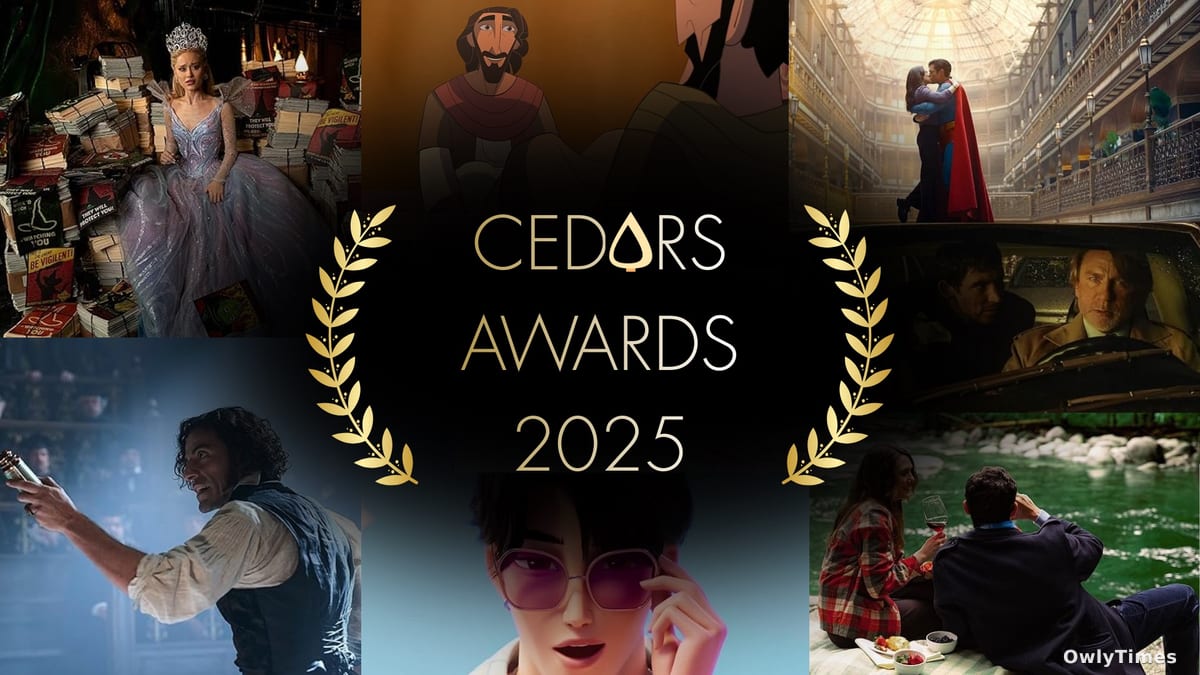

The chipped porcelain of my grandmother’s teacup warmed my hands as the news cycle exploded around me: another superhero franchise reboot, another streaming service price hike, another debate over what counts as cinema. But amidst the noise, a pattern emerged from Cedars’ Arts & Entertainment team’s seasonal awards – a quiet revolution in how we define “good” entertainment, and a stark reflection of where we are as a culture. It wasn’t just about recognizing the best movies and shows of 2025; it was about acknowledging a shift in what audiences crave, and what stories are resonating in a world grappling with anxieties both fantastical and painfully real.
Beyond Blockbusters: The Rise of Intimate Apocalypses
The dominance of “Marvel Zombies” in the Action category isn’t surprising – Marvel’s brand recognition is a force of nature, and gruesome choreography always draws a crowd. But look closer. In a year saturated with superhero spectacle, a zombie-fied Marvel Universe isn’t just escapism; it’s a darkly comedic reflection of our collective fatigue with endless sequels and the feeling that even our heroes are…exhausted. The success of “Marvel Zombies” – topping charts in both character development and tension – suggests audiences are hungry for something more than just punches and explosions. They want stakes, even if those stakes involve beloved characters succumbing to a virus. This mirrors a broader trend: the popularity of dystopian and post-apocalyptic narratives, from “The Last of Us” to the enduring appeal of “The Walking Dead,” speaks to a cultural preoccupation with societal collapse and the question of what truly matters when everything falls apart.
Reporting from cedars.cedarville.edu informs this analysis.
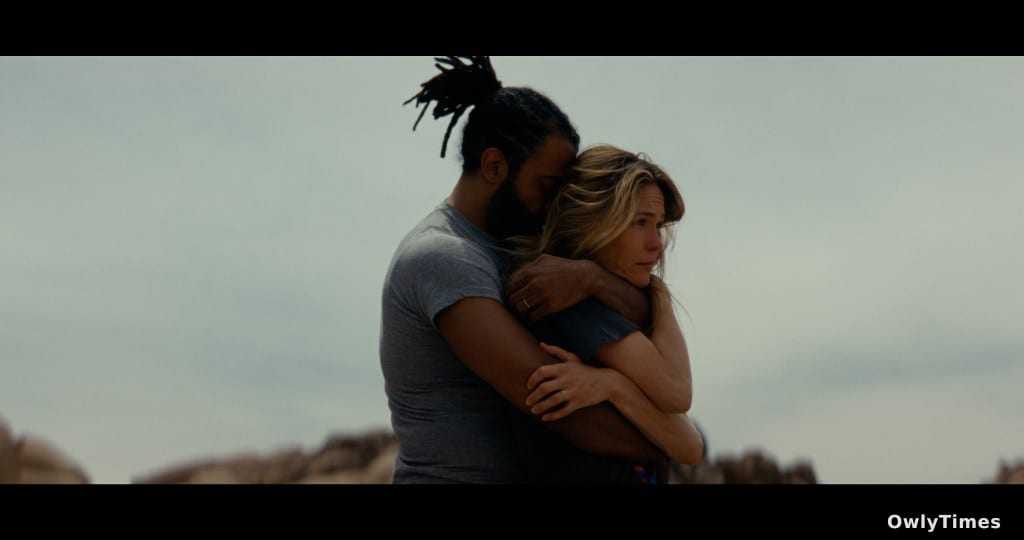
But the real surprise, and perhaps the most telling winner, was “Plurbius” taking the Science Fiction crown. John Hiett’s assessment – that the show’s focus on a single character navigating a global hivemind virus is “captivating” – cuts to the heart of why it resonated. In a year already brimming with “stranger things” than Demigorgons and Vecna, “Plurbius” didn’t offer grand-scale battles or complex world-building. It offered intimacy. Hiett points to the show’s “intense study on characters, specifically Carol, as she battles with loneliness and depression,” even amidst world-ending stakes. This is a crucial distinction. We’re past the point of needing spectacle; we need stories that acknowledge the emotional toll of existing in a chaotic world, and that find meaning in individual experience. The $23.6 billion sci-fi market saw a 12% increase in viewership this year, but the shows gaining traction weren’t necessarily the biggest budget productions – they were the ones willing to get small and personal.
The Superman Paradox: Hope in a Cynical Age
DC’s “Superman” soaring to victory in the Blockbuster category feels almost…expected. A well-executed superhero film, showcasing Superman’s powers in “interesting and refreshing ways,” as Hiett puts it, is a reliable crowd-pleaser. But the film’s success isn’t just about dazzling special effects. Hiett emphasizes that “Superman’s goal is to save people first and foremost,” and that he embodies “kindness and optimism in the face of danger.” This is a deliberate counterpoint to the prevailing “grimdark” aesthetic that has dominated superhero cinema for the past decade. In a world increasingly defined by cynicism and division, audiences are craving a hero who genuinely believes in the good of humanity. The film grossed $785 million worldwide, a 22% increase over the previous Superman film, suggesting a renewed appetite for uncomplicated heroism. Yet, the very need to re-emphasize Superman’s inherent goodness feels like an admission of how far we’ve strayed from that ideal.
Gothic Revival and Wholesome Escapes
The wins for “Frankenstein” (Horror) and “Wicked: For Good” (Family-Friendly) reveal another fascinating duality. Cadence Powers rightly points to the enduring appeal of Mary Shelley’s original story, and Guillermo del Toro’s masterful adaptation taps into our fascination with the darker aspects of human ambition and the consequences of unchecked scientific progress. Simultaneously, “Wicked” offered a much-needed dose of escapism, a “movie for all ages” packed with “beautiful aerial sequences and heartpounding betrayals.” These aren’t opposing forces; they’re two sides of the same coin. We need stories that confront the darkness within ourselves and within the world, but we also need stories that remind us of the power of hope, friendship, and magic. The $650 million gross for “Wicked” demonstrates that family-friendly entertainment isn’t just about catering to children – it’s about providing a shared experience that transcends generational divides.
The Cringe Factor and the Search for Authenticity
Perhaps the most revealing categories were the “Hard to Watch” awards. The selections – “My Life with the Walter Boys” and “Adulthood” – weren’t necessarily bad movies or shows, but they were…off. Amelia Morris’s description of “My Life with the Walter Boys” as “cringey” and Gabriel Payne’s comparison of “Adulthood” to “gum on the bottom of my shoe” are brutally honest assessments. These selections highlight a growing intolerance for inauthenticity. Audiences are increasingly savvy and can spot forced performances, contrived storylines, and a lack of genuine passion from a mile away. The fact that A&E felt the need to create these categories speaks to the sheer volume of mediocre content flooding the market, and the desire to call it out.
The recognition of “Light of the World” in the Christian category, praised by Josh Ball for its “phenomenal animation” and thoughtful storytelling, underscores the importance of faith-based narratives that are both artistically compelling and spiritually meaningful. It’s a reminder that stories with a moral compass still resonate, particularly in a culture grappling with questions of purpose and meaning.
This isn’t just about awarding trophies. It’s about recognizing a fundamental shift in the entertainment landscape. Audiences are no longer passively consuming content; they’re actively seeking stories that reflect their values, acknowledge their anxieties, and offer a glimmer of hope in a world that often feels overwhelming. The question now is: will the industry listen? Will studios and streaming services prioritize authenticity, intimacy, and meaningful storytelling over spectacle and endless reboots? Or will they continue to chase diminishing returns, offering more of the same while audiences quietly tune out and search for something real?