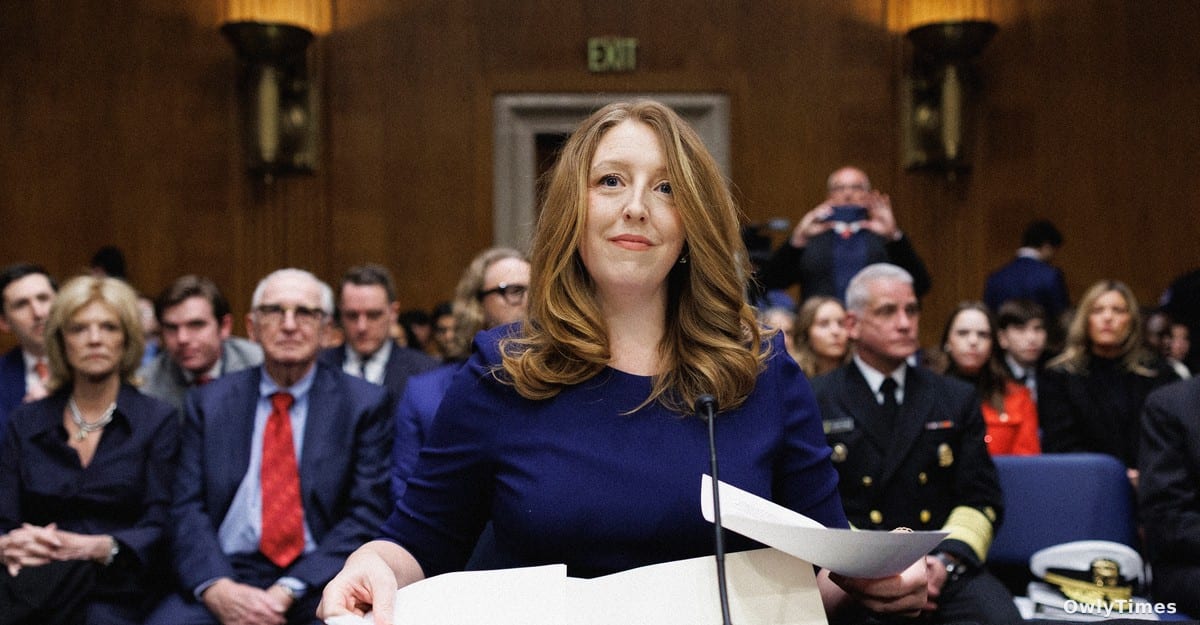

The confirmation hearing for Casey Means, President Robert F. Kennedy Jr.’s nominee for U.S. Surgeon General, wasn’t about clarifying a public health agenda – it was a demonstration in strategic recalibration. While headlines focused on a toned-down presentation compared to her past pronouncements, the more significant story is the careful navigation underway as the “MAHA” (Make America Healthy Again) movement, spearheaded by Kennedy, attempts to broaden its appeal ahead of the midterm elections. The hearing revealed not a sudden conversion to mainstream medical thought, but a calculated shift in emphasis, raising questions about the future direction of public health messaging should Means be confirmed.
Before her nomination last spring, Means – who left her surgical residency in 2018 – built a following promoting unconventional wellness practices. As Rina Raphael detailed in The Atlantic last month, these included communicating with trees, attributing natural disasters to divine messaging, and framing the nation’s health as a “spiritual crisis.” Her 2024 book, Good Energy, co-authored with her brother Calley Means (now a senior advisor to Kennedy), advocated for practices like weekly “hot heat exposure” and the use of glucose-monitoring devices sold by Levels Health, a company Means co-founded. The hearing, however, presented a markedly different persona, one emphasizing her Stanford medical degree – despite lacking an active license – and seeking common ground with skeptical senators. This isn’t simply a matter of political expediency; it’s a reflection of the internal tensions within the MAHA movement itself.
Original reporting: theatlantic.com.
The core of the scrutiny surrounding Means isn’t merely her past statements, but the potential conflicts of interest stemming from her entrepreneurial ventures. Senator Chris Murphy highlighted an analysis revealing frequent failures to disclose financial ties to companies whose products she promoted in her newsletter. While Means testified she’s been working with the Office of Government Ethics to ensure compliance and stated she would resign from Levels Health, she remains listed as the company’s chief medical officer. This raises legitimate concerns about whether her public pronouncements have been influenced by personal financial gain, a particularly sensitive issue for a figure poised to become the nation’s top public health communicator. It’s crucial to understand that the “intentionality” of data collection, as Means suggested, doesn’t negate the appearance of impropriety or the need for transparent disclosure.
The most telling moments of the hearing weren’t the affirmations of vaccine efficacy – a necessary concession given the overwhelming scientific consensus – but the carefully worded evasions. When questioned about Kennedy’s claims regarding the flu vaccine, Means offered a qualified response, stating it “does” prevent death at the population level, but hesitated to fully endorse the assertion. Similarly, while supporting the measles vaccine, she stopped short of recommending it to parents, citing the importance of “shared clinical decision making.” This isn’t a neutral position; it subtly validates the anti-vaccine narrative that parental intuition should supersede expert medical advice. The study actually found that Means was attempting to walk a tightrope, acknowledging the benefits of vaccination while avoiding alienating the anti-vaccine wing of the MAHA movement. Headlines proclaiming a complete reversal on vaccines are misleading; it’s a strategic repositioning, not a fundamental change in belief.
This repositioning is occurring at a critical juncture for MAHA. Recent polling suggests that undermining the childhood vaccine schedule – a key tenet of Kennedy’s campaign – is his least popular priority. Consequently, the movement is shifting its focus to battling the food industry, a more broadly appealing issue. President Trump’s recent executive order boosting glyphosate production, despite Kennedy’s long-held claims about its carcinogenic effects, has created a fissure between MAHA and more traditional conservative factions. Means’s conciliatory stance on pesticides during the hearing – acknowledging the issue’s complexity and the constraints faced by farmers – reflects this internal struggle. The question now is whether Means, if confirmed, will continue to prioritize unifying rhetoric over evidence-based public health recommendations.
Looking ahead, the confirmation process isn’t simply about vetting a nominee; it’s a preview of the challenges facing public health communication in a deeply polarized environment. If Means is confirmed, will she genuinely prioritize scientific integrity and transparent disclosure, or will she continue to navigate the conflicting demands of the MAHA movement and political expediency? The public should watch closely for how she addresses emerging public health crises – particularly those involving vaccines or food safety – and whether her actions align with the principles of evidence-based medicine or the evolving priorities of a movement still grappling with its own identity.





