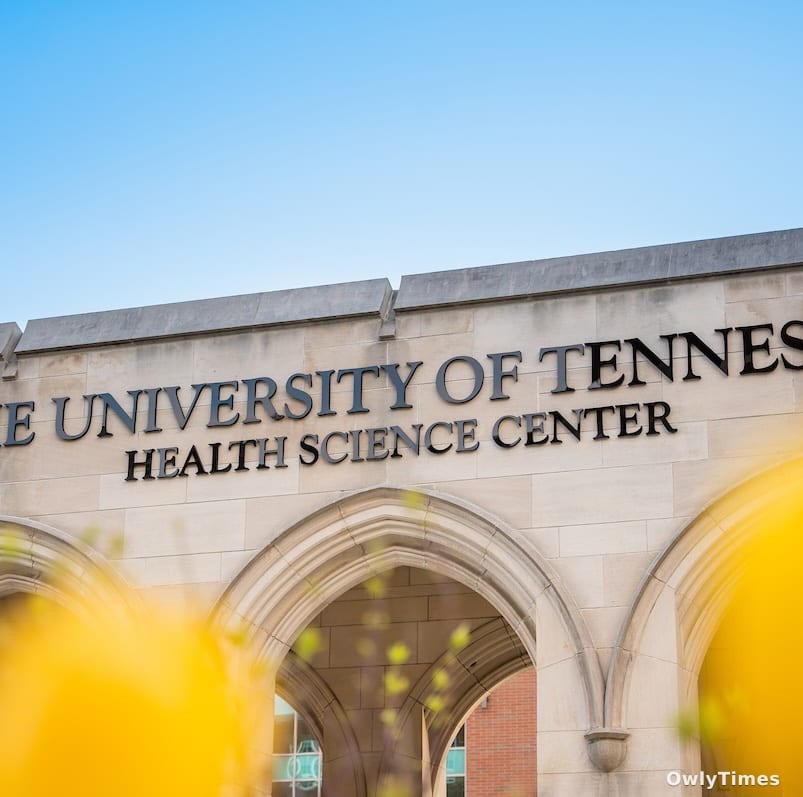

Can a shift in how we train the next generation of doctors and nurses fundamentally alter the trajectory of chronic disease? The University of Tennessee Health Sciences (UT Health Sciences) has officially joined a national initiative led by the U.S. Department of Health and Human Services (HHS), aiming to bridge the gap between clinical medicine and nutritional science. At its core, the initiative seeks to move beyond the traditional focus on reactive treatment, instead embedding "food as medicine" into the bedrock of professional health education.
Raising the Bar for Medical Training
While the concept of dietary advice is hardly new, the institutional rigor behind this push marks a significant departure from past practices. The HHS initiative sets a specific, measurable goal: encouraging participating institutions to work toward a minimum of 40 hours of nutrition education specifically within medical training. For many medical schools, this represents a concerted effort to standardize what has historically been a fragmented component of the curriculum.
It is important to distinguish what this initiative actually mandates versus what headlines might imply. This is not a top-down federal regulation imposing a new curriculum, but rather a voluntary, collaborative framework. The program invites universities to build upon their existing strengths, ensuring that nutrition is not treated as an elective topic, but as a fundamental driver of health. Michael Hocker, MD, executive dean of the College of Medicine, noted that the goal is to raise the bar across the entire health care system, ensuring practitioners are equipped to address diet as a primary health factor.
Limitations to Consider
Despite the enthusiasm surrounding this integration, there are clear limitations to consider. The challenge lies in the "40-hour" benchmark, which acts as a target rather than a guaranteed outcome. Integrating this volume of specialized training into already dense medical and pharmacy programs requires significant logistical agility. Furthermore, the efficacy of this training will ultimately be determined by how successfully these academic lessons are translated into the chaotic, time-constrained environment of clinical care. Simply increasing hours of education does not automatically equate to better patient outcomes if the clinical systems themselves—such as reimbursement models and referral networks—do not also prioritize nutritional intervention.
Leveraging Statewide Infrastructure
The true test for UT Health Sciences will be its ability to scale this knowledge beyond the classroom. The university plans to utilize the Tennessee Rural Health Care Center of Excellence to disseminate tools and strategies. Wendy Likes, PhD, dean of the College of Nursing and Principal Investigator for the center, highlights that the institution’s strength lies in its existing network. By partnering with the University of Tennessee Institute of Agriculture, the university already maintains a presence in all 95 counties in the state.
This model is designed to move academic health education into community-based outreach. By delivering obesity prevention programs directly into rural and underserved areas, the university aims to connect classroom theory with the realities of community health. Jessica Snowden, MD, vice chancellor for Research and dean of the Graduate School, emphasized that this partnership provides an opportunity to ensure nutrition is fully integrated into patient care, rather than existing as an isolated recommendation.
Next Steps in Clinical Integration
The next phase of this effort will be defined by how the university strengthens the integration of nutrition into clinical training and patient care models. The success of this movement will be measured by the subsequent reading of clinical outcomes and the adoption of these curricula across the medicine, nursing, pharmacy, dentistry, and allied health programs. As these institutions refine their training, the upcoming data on patient health improvements in rural Tennessee will reveal whether this interdisciplinary approach can successfully transform "food as medicine" from a clinical aspiration into a standard, effective practice. For those interested in the broader scope of this federal project, further information is available on the HHS website.





