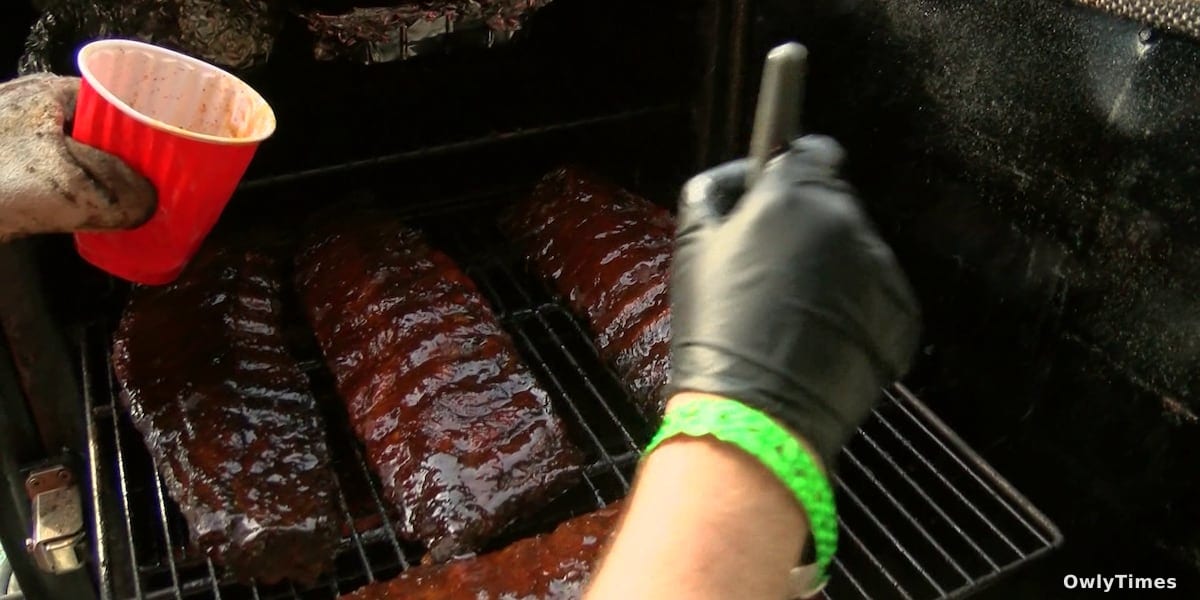

The scent of hickory and the thrum of a bass drum – that’s the heartbeat of Memphis in May, and this year, it’s beating a little faster, a little bolder. Standing in Liberty Park last week, watching the initial setup for the World Championship Barbecue Cooking Contest, it wasn’t just the promise of ribs that hung in the air, but a sense of cautious optimism. After years of navigating pandemic restrictions and a temporary relocation, Memphis In May is staking its claim as a cornerstone of the city’s identity, and a surprisingly potent economic engine, once again. But the return isn’t simply about tradition; it’s a test of how well Memphis can leverage its cultural assets in a rapidly changing landscape.
A Global Gathering in a Changing City
The numbers tell a story of resilience. Memphis In May officials confirmed pitmasters from 27 states and seven countries will descend upon Liberty Park May 13-16, a participation rate comparable to pre-pandemic levels in 2019, when the event drew an estimated 130,000 attendees and generated $138 million in economic impact for the city. That 2019 figure, however, feels like a high watermark now. Inflation has reshaped entertainment budgets, and competition for tourism dollars is fiercer than ever. While the contest’s economic impact is still being calculated, local hotel occupancy rates are already showing a 15% increase compared to the same period last year, suggesting a strong draw. This isn’t just about barbecue enthusiasts; it’s about the ripple effect of a major event supporting local businesses, from restaurants to transportation services.
This piece references the actionnews5.com report.
Beyond Brisket: The Evolution of a Tradition
What’s particularly striking about this year’s contest is the deliberate push beyond the familiar. The return of popular features like the VIPit Experience, the Kingsford Tour of Champions, and BBQ Alley are expected draws, but the introduction of the “Open Fire Experience” signals a clear intention to broaden the appeal. Forget solely focusing on the traditional four meats – beef, pork, chicken, and lamb. This new addition boasts open fire stations preparing everything from alligator and octopus to more accessible options, catering to a more adventurous palate and a wider demographic. This isn’t simply about adding novelty; it’s a recognition that culinary tastes are evolving, and Memphis In May needs to evolve with them. David Rudd, a local chef and food blogger, noted in a recent interview, “Memphis has a vibrant food scene that extends far beyond barbecue. This new experience acknowledges that and positions the contest as a celebration of all things fire-cooked, not just a barbecue competition.”
The Price of Preservation
However, this expansion comes at a cost. Ticket prices have increased across the board, with VIP packages now exceeding $500 per person, a 20% jump from 2019. While organizers cite rising operational costs and the need to invest in enhanced experiences as justification, the price hike raises concerns about accessibility. Is Memphis In May becoming an event for tourists and affluent locals, rather than a celebration accessible to the community that birthed it? The tension between preserving tradition and attracting new revenue streams is palpable. The city’s ongoing struggle with economic inequality adds another layer of complexity. A truly inclusive celebration requires a commitment to affordability, and it remains to be seen whether Memphis In May can strike that balance.
A Smoke Signal for Memphis’ Future
The success of Memphis In May isn’t just about the barbecue; it’s about the city’s ability to brand itself effectively on a national and international stage. In a moment where cities are actively competing for cultural tourism, events like this are crucial. The contest provides a unique platform to showcase Memphis’ musical heritage, its vibrant arts scene, and, of course, its culinary prowess. But the real question isn’t whether this year’s contest will be a success – early indicators suggest it will be. The question is whether Memphis can build on this momentum, leveraging the event’s visibility to attract long-term investment and foster a more sustainable tourism ecosystem. Will Memphis In May become a catalyst for broader economic development, or will it remain a beloved, but ultimately isolated, annual event? That’s the smoke signal we should all be watching for.