
The scent of grilling Swedish meatballs hung in the air near the skeletal remains of the Paradise Valley Mall last week, a bizarrely comforting aroma rising from the construction site of Phoenix’s newest IKEA. It’s a small-format store, they say – 75,000 square feet, 4,000 products on display – but it feels like a symbolic gesture. While other cities grapple with the decline of traditional retail, Phoenix is doubling down on experience, on attraction. And that pursuit, as a flurry of recent developments reveals, is rapidly reshaping the city’s identity, sometimes with unsettling speed. Beyond the headlines of new stores and renovated community centers, a fundamental question is taking shape: who gets to define Phoenix, and at what cost?
Building the Buzz: Downtown’s Entertainment Gamble
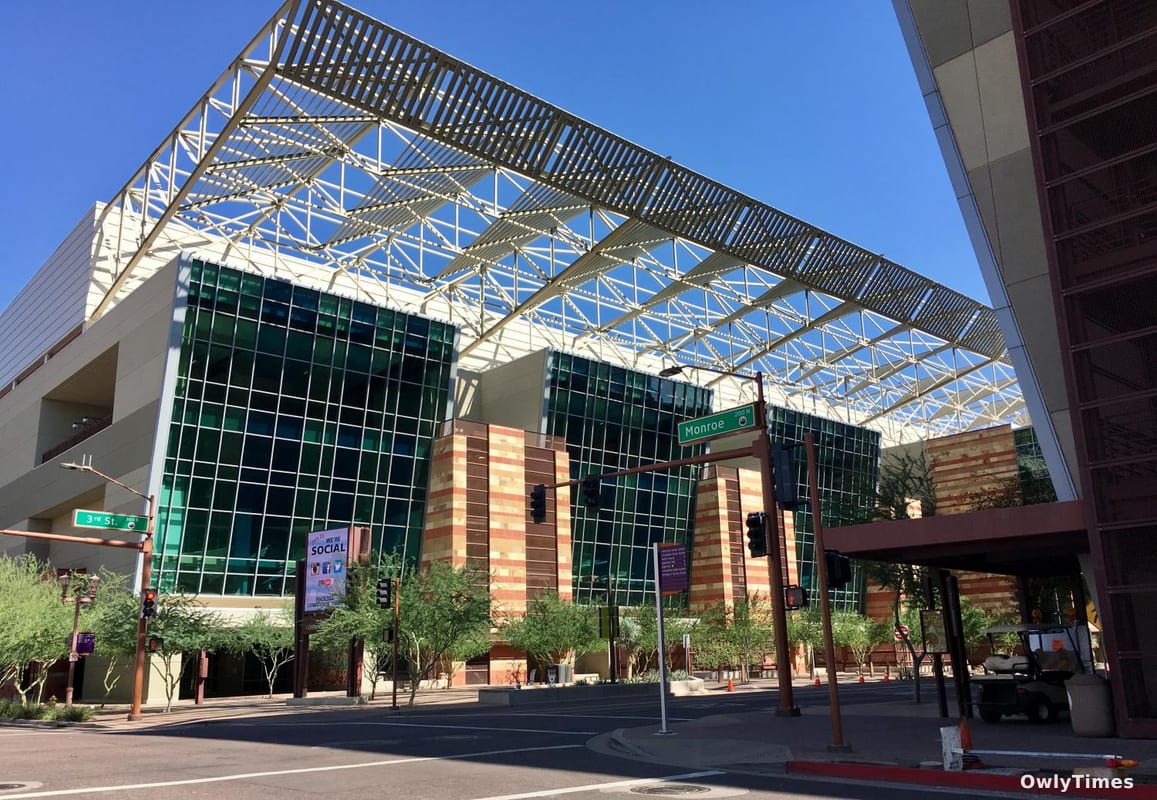
Wednesday’s City Council subcommittee meeting, where the Downtown Phoenix Entertainment District Implementation Plan will be discussed, isn’t just about walkability and hotel rooms. It’s about a deliberate attempt to manufacture a “vibe.” HR&A Advisors and Multistudio’s plan, focused on areas around the convention center, Chase Field, and the Mortgage Matchup Center, proposes more events – pop-up music performances, increased programming – designed to lure visitors and, crucially, spending. This isn’t organic growth; it’s engineered entertainment. The city is betting that a concentrated dose of curated experiences will overcome the challenges of brutal summer heat and a sprawling urban landscape. But the plan’s success hinges on a delicate balance. Phoenix has long struggled to cultivate a downtown core that rivals other major cities, and previous attempts have often felt forced or unsustainable. The $100 million investment in the area around Chase Field in 2019, for example, yielded mixed results, with some businesses thriving while others struggled. This new plan, while more comprehensive, risks repeating the same pattern if it doesn’t genuinely address the needs and desires of both residents and tourists.
Drawn from kjzz.org.
Preservation vs. Progress: The Battle for Neighborhood Character
The push for entertainment and development isn’t happening in a vacuum. Across Arizona, a quiet battle is brewing over the state’s middle housing law, and the anxieties it’s fueling in historic neighborhoods. Residents in Phoenix, Tucson, and other cities are voicing concerns that developers will exploit the law to demolish older homes and replace them with multi-family dwellings, fundamentally altering the character of their communities. This isn’t simply NIMBYism; it’s a legitimate fear that the pursuit of density will erase the unique architectural and cultural fabric that makes these neighborhoods desirable in the first place. The tension is stark: Arizona faces a housing shortage, and increased density is often presented as the solution. But at what point does solving one problem create another, sacrificing the very qualities that attract people to the state? The debate highlights a broader trend – the increasing commodification of place, where neighborhoods are viewed as investment opportunities rather than living communities.
A Green Fleet and a Legacy Project: Beyond the Optics
Phoenix’s commitment to sustainability, exemplified by the 2024 purchase of a hydrogen-fueled bus, feels almost… hopeful, amidst the larger development frenzy. It’s a tangible step towards zero-emissions public transportation, a goal that’s increasingly urgent given the city’s notorious air quality issues. Similarly, the NCAA’s funding of a community center renovation in the Alhambra area ahead of the Women’s Final Four tournament is a welcome gesture. These “legacy projects” – designed to leave a positive impact beyond the event itself – are becoming increasingly common, a way for organizations to demonstrate social responsibility. But it’s crucial to look beyond the optics. One renovated community center, while valuable, doesn’t address the systemic inequalities that plague many of Phoenix’s neighborhoods. And a single hydrogen bus, while innovative, represents a tiny fraction of the city’s overall fleet. These initiatives are positive, but they need to be scaled up and integrated into a broader, more comprehensive strategy.
The Mystery Endures: A Symbol of Phoenix’s Soul
Perhaps the most quietly reassuring story is the preservation of Phoenix’s Mystery Castle. A new owner has stepped forward, promising to maintain the quirky, hand-built landmark. Built by Boyce Gulley over decades, the castle is a testament to individual vision and a rejection of conventional norms. It’s a distinctly Phoenix landmark, a reminder that the city’s identity isn’t solely defined by corporate development or engineered entertainment. It’s a place where eccentricity and creativity can flourish. The fact that its future was once uncertain, and that it required intervention to secure its preservation, speaks volumes about the pressures facing the city’s unique cultural assets.
Phoenix is at a crossroads. It’s actively constructing a new identity, one built on entertainment, sustainability, and density. But the question remains: will this new Phoenix be inclusive, authentic, and sustainable, or will it become another homogenized urban landscape, sacrificing its soul in the pursuit of growth? The decisions made in the coming months – regarding the entertainment district, the middle housing law, and the preservation of its unique landmarks – will determine the answer. And residents, not just developers and politicians, need to be at the table, shaping the future of the city they call home.