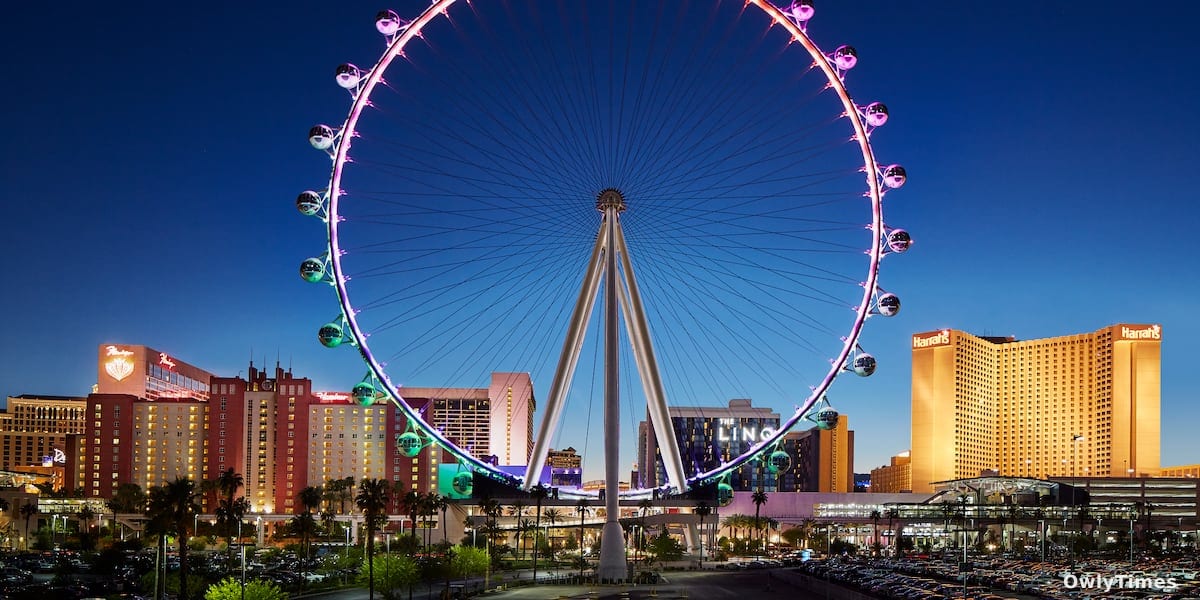

The scent of chlorine and desperation hangs thick in the Las Vegas air. Not desperation in a tragic sense, but the kind born of endless choice, of wanting to maximize the vacation. For years, Vegas has been a masterclass in upselling – the $25 resort fee tacked onto a $100 room, the $18 cocktail, the constant pressure to upgrade. But now, something is shifting. Caesars Entertainment announced Thursday a new “Inclusive Summer Package” at Harrah’s, The LINQ, and Flamingo, starting at $200 a night, all taxes and fees included, with bottomless drinks and meals thrown in. It’s a gamble, not just for the casinos, but for the very psychology of the Vegas experience.
The All-Inclusive Invasion of Sin City
This isn’t a flash sale or a limited-time promotion; Caesars is offering a bundled experience stretching from April through August 2026. For a base price of $200, a single guest gets a room, two meals a day (at restaurants boasting names like Gordon Ramsay, Bobby Flay, and Guy Fieri), and unlimited well drinks, house wine, and beer. Add another person for $100, up to a maximum of four, and suddenly a weekend getaway feels…predictable. This move directly mirrors MGM Resorts’ launch of a similar all-inclusive package in March for two of its properties, signaling a clear trend. But why now? The answer lies in a changing consumer landscape, one increasingly wary of hidden costs and craving simplicity. In 2023, the average daily resort fee on the Las Vegas Strip was $42.64, according to data from the Nevada Resort Association – a figure that consistently outpaces inflation and fuels consumer resentment.
Original reporting: fox5vegas.com.
Beyond the Headlines: A Response to Economic Anxiety
The timing is crucial. While Las Vegas tourism numbers rebounded strongly in 2023, reaching 40.8 million visitors, a 3.6% increase from 2022, the economic reality for many Americans is tightening. The Federal Reserve’s interest rate hikes, coupled with persistent inflation, have squeezed disposable income. The all-inclusive model isn’t about luxury; it’s about control. It’s about knowing the upfront cost and eliminating the anxiety of constantly reaching for a wallet. Caesars and MGM aren’t necessarily aiming to attract a different clientele, but to reassure their existing customers. They’re acknowledging a growing desire for financial predictability, even in a city built on impulse. The package, capped at four nights, also suggests a calculated risk. It’s long enough for a decent vacation, but short enough to avoid the potential for diminishing returns on the all-inclusive model.
The Price of Predictability: What’s Lost in the Upsell?
But this shift isn’t without its potential downsides. The Vegas ecosystem thrives on incremental spending. The casino floor, the high-end boutiques, the spontaneous show tickets – these are the engines of the Strip’s profitability. By packaging everything together, Caesars and MGM risk cannibalizing those revenue streams. Will guests who know their food and drinks are covered be less inclined to splurge on a fancy dinner or an extra cocktail? The inclusion of perks like High Roller tickets and pool cabana discounts attempts to mitigate this, encouraging spending within the bundled system. However, it also raises questions about the value proposition. Is the convenience of an all-inclusive package worth sacrificing the freedom to choose, to discover hidden gems, to experience the unpredictable energy that defines Las Vegas? The $200 price point, including taxes and fees, is undeniably attractive, but it’s a calculated gamble on volume.
The Future of Vegas: From Upsell to Package Deal?
This isn’t just about Caesars or MGM; it’s a potential inflection point for the entire Las Vegas model. For decades, the city has perfected the art of extracting maximum revenue from every visitor. Now, faced with economic headwinds and changing consumer expectations, they’re being forced to rethink that strategy. The success of these all-inclusive packages will be a crucial indicator of whether Vegas can adapt to a future where transparency and predictability are valued as much as glitz and glamour. Will other major players follow suit, creating a more competitive all-inclusive market? Or will this be a temporary experiment, abandoned once economic conditions improve? The real question isn’t whether these packages will attract tourists, but whether they will fundamentally alter the relationship between Vegas and its visitors, trading the thrill of the upsell for the comfort of a known price.