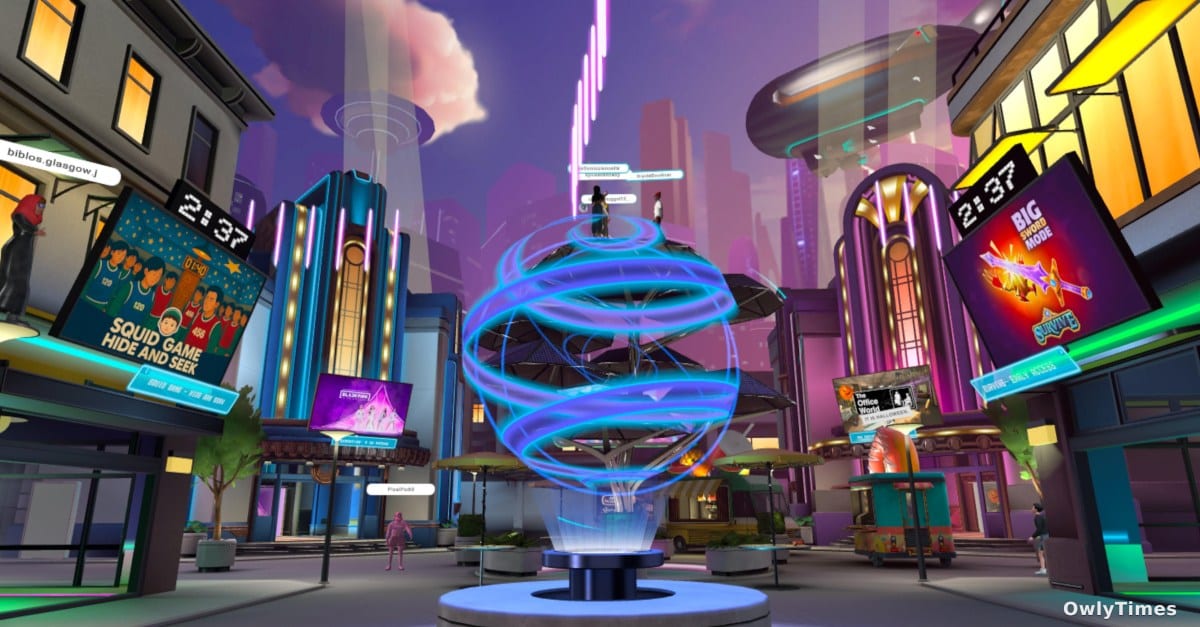

Is the metaverse dead? That’s the question everyone’s asking, but it’s the wrong one. The real story here isn’t the failure of a virtual world – it’s the brutal acknowledgment that building a future around forcing people into clunky headsets was a fundamentally flawed premise. Meta’s dramatic pivot away from VR-centric Horizon Worlds, announced this week, isn’t a course correction; it’s a controlled demolition of a vision that never resonated with anyone beyond a small, dedicated (and increasingly dwindling) group of enthusiasts. After layoffs impacting 10 percent of Reality Labs, studio closures, and the axing of Supernatural, Samantha Ryan, VP of content for Reality Labs, revealed the company is “explicitly separating” Horizon Worlds from the Quest VR platform, focusing almost entirely on mobile.
From Immersive Future to Mobile Catch-Up
This isn’t simply about acknowledging the limitations of current VR technology. It’s about recognizing where the people are. Meta spent years, and billions of dollars, trying to create a demand for immersive experiences. They built the hardware, funded the software, and even rebranded the entire company around the idea. But the numbers simply didn’t support the hype. As Ryan pointed out, 86% of the time people spend in their VR headsets is with third-party apps, not Meta’s own creations. That’s a damning statistic, revealing a user base primarily interested in established gaming and productivity tools, not the promise of a new social universe. The shift to mobile isn’t innovation; it’s a desperate attempt to compete with platforms like Roblox and Fortnite, which already boast massive, engaged audiences accessible to anyone with a smartphone.
Based on the original The Verge report.
The AI Pivot and Zuckerberg’s New Obsession
The timing of this announcement is crucial. It coincides with Mark Zuckerberg’s increasingly vocal enthusiasm for artificial intelligence. He now views AI as “the new social media,” envisioning AI-generated games and experiences shared across Meta’s existing platforms. This isn’t a complete abandonment of immersive experiences, but a re-framing. As Zuckerberg stated on the latest earnings call, Horizon Worlds can still play a role, but as an “immersive 3D version” of this AI-driven future, not the future itself. This is a significant shift in strategy, signaling that Meta is betting on AI to deliver the next wave of social engagement, rather than relying on the hardware-dependent metaverse. It’s a move that acknowledges the limitations of forcing a new technology onto consumers, and instead focuses on integrating emerging technologies into existing habits.
What This Means for the Average User
For most people, this means… not much will change immediately. You won’t suddenly be thrust into a VR headset. But it does mean the metaverse, as pitched by Meta, will likely remain a niche interest. The promise of a seamless, interconnected virtual world where you work, play, and socialize is fading. Instead, expect to see more AI-powered filters, games, and interactive experiences integrated into your existing Facebook and Instagram feeds. The impact on developers is more significant. Meta is essentially admitting its first-party VR content strategy failed, doubling down on supporting third-party developers. This could lead to a more vibrant, but less controlled, VR ecosystem. The average consumer benefits from a more competitive market, but also risks a fragmented experience.
The Future of Headsets and a Looming Question
Meta insists it’s still committed to VR hardware, with a “robust roadmap” of future headsets. However, Ryan hinted at potentially higher price points, suggesting they’re targeting a more specialized audience. This raises a critical question: if the mass market isn’t interested in the metaverse as originally envisioned, who is Meta building these headsets for? The answer will likely determine the long-term viability of Meta’s VR ambitions. Watch closely for the announcement of their next-generation headset – will it be a premium device aimed at enthusiasts, or another attempt to crack the mainstream market with a drastically different approach? The fate of Meta’s VR future, and perhaps the metaverse itself, hangs in the balance.