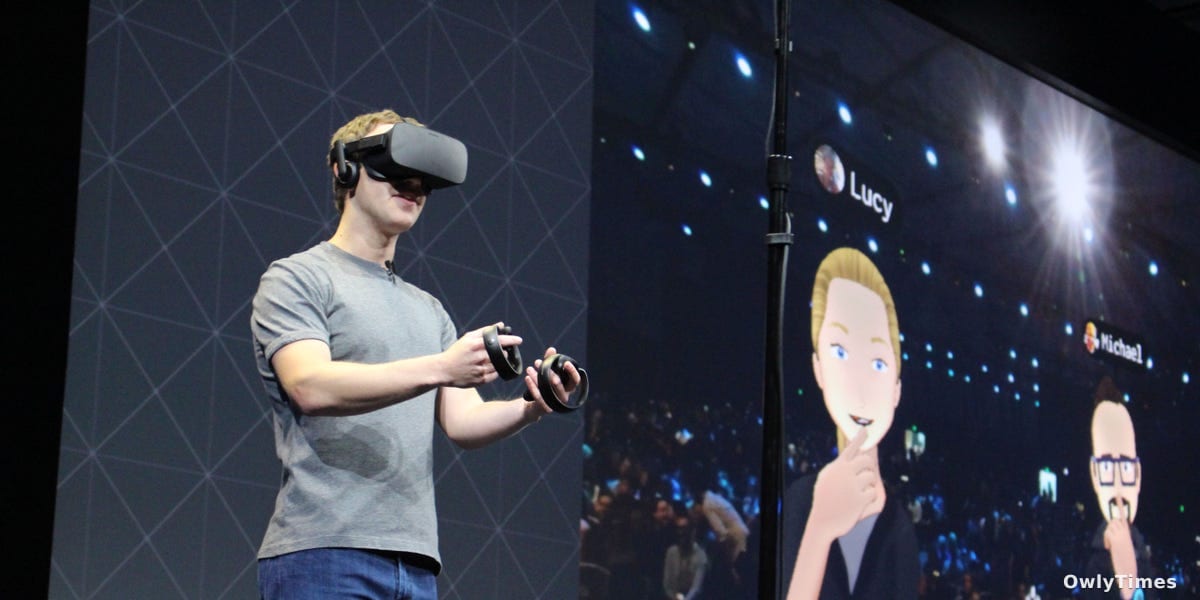

$80 billion in losses is the stark reality forcing Meta to fundamentally redefine its metaverse strategy. The company, once betting heavily on virtual reality as the future of social connection, is now pivoting Horizon Worlds – its flagship metaverse platform – “almost exclusively” to mobile. This isn’t a subtle adjustment; it’s a strategic retreat signaling a recognition that the path to mainstream adoption doesn’t run through VR headsets, at least not yet. Follow the money, and the picture becomes clear: Reality Labs, Meta’s VR division, has become a financial drag, and the company is attempting to minimize further losses by chasing a larger, more accessible market.
The shift comes on the heels of a brutal January for Reality Labs, which saw a 10% workforce reduction, the shuttering of three VR gaming studios, and the cessation of new content for the acquired VR fitness app, Supernatural. These cuts aren’t isolated incidents; they represent a recalibration of priorities driven by cold, hard financial data. Since 2020, Reality Labs has consistently operated at a significant deficit, accumulating nearly $80 billion in losses. To put that figure in perspective, Meta’s total revenue for 2023 was approximately $134.9 billion. The VR division’s losses represent nearly 60% of the company’s overall revenue for the year, a clearly unsustainable ratio.
Original reporting: Business Insider.
Despite the losses, Samantha Ryan, Meta’s vice president of content at Reality Labs, insists the company remains committed to VR hardware. She points to a $150 million investment in VR developer platforms in 2025 and highlights the success of third-party games like “The Thrill of the Fight 2,” “Hard Bullet,” and “UG,” which have collectively generated “millions” in revenue. However, this narrative is undercut by a crucial statistic: 86% of time spent on Meta’s headsets is dedicated to third-party apps, not Meta’s own Horizon Worlds. This indicates a fundamental problem with Meta’s first-party VR content – it’s failing to capture user engagement, even among those who have already invested in the hardware.
The mobile pivot positions Horizon Worlds directly against established players like Roblox and Fortnite, both of which boast massive user bases and thriving mobile ecosystems. While Meta envisions Horizon as a platform for “immersive 3D” content generated by AI, the challenge lies in differentiating itself in a crowded market. Roblox and Fortnite have already established strong brand recognition and loyal communities. Meta’s advantage, if any, lies in its existing social network infrastructure – the potential to seamlessly integrate Horizon Worlds content into Instagram, Facebook, and Threads. However, this integration also raises questions about whether Horizon Worlds will become just another feature within Meta’s broader social media empire, rather than a standalone metaverse destination.
This strategic shift isn’t simply about chasing user numbers; it’s about managing investor expectations. Meta’s stock price has been volatile in recent years, partly due to concerns about the financial viability of its metaverse investments. By focusing on mobile, Meta is signaling to Wall Street that it’s taking steps to address these concerns and prioritize profitability. The question now is whether this mobile-first approach can deliver the returns that investors are demanding. Will Meta be able to successfully leverage its social media reach to build a compelling mobile metaverse experience, or will Horizon Worlds become another cautionary tale of overhyped technology and misallocated capital? What this means for your wallet is a potential slowdown in Meta’s aggressive spending on VR, which could translate to less innovation in the space – and a longer wait for the metaverse to truly materialize. Investors should watch closely for user acquisition costs and engagement metrics for the mobile version of Horizon Worlds in the coming quarters; these will be the key indicators of whether Meta’s latest gamble will pay off.