
Beyond the Techniques: A Focus on Rigor in Applied Behavior Analysis
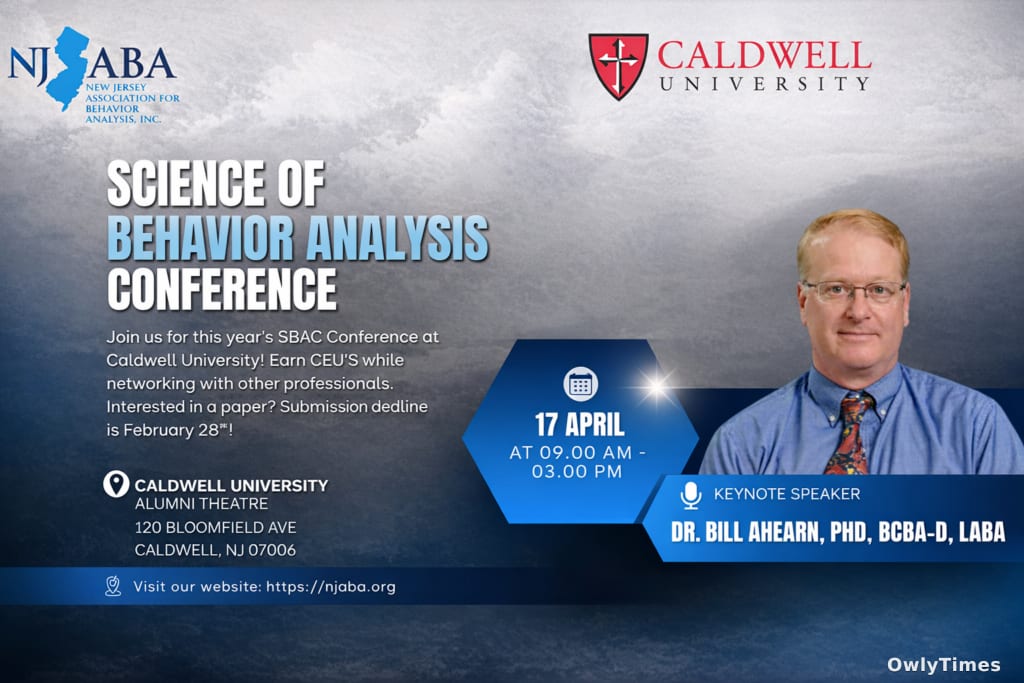
The increasing visibility of Applied Behavior Analysis (ABA) – a discipline focused on understanding and changing behavior – demands a corresponding increase in the quality and transparency of the research underpinning its practices. While ABA has demonstrably improved outcomes for individuals with autism and other developmental disabilities, the field has faced scrutiny regarding methodological rigor and the potential for misuse. The upcoming Science of Behavior Analysis (SoBa) conference, hosted by Caldwell University on April 17th, represents a crucial, if often overlooked, element in addressing these concerns: a dedicated space for students and faculty to present empirical research. This isn’t simply a networking event; it’s a deliberate effort to cultivate a culture of evidence-based practice from the ground up, prioritizing the systematic collection and analysis of data over anecdotal success stories.
The Importance of Student-Led Research in a Rapidly Expanding Field
The SoBa conference, now in its fifth year, is specifically designed to be student-focused. This is a deliberate choice. The field of ABA is experiencing substantial growth, fueled by increasing diagnoses of autism and a growing demand for effective interventions. According to data from the CDC, autism prevalence has risen to 1 in 36 children in the United States as of 2024, creating a significant need for qualified practitioners. However, rapid expansion can sometimes outpace the development of robust research infrastructure. By centering the conference around student research, the New Jersey Association for Applied Behavior Analysis is investing in the future of the field, ensuring that the next generation of practitioners are trained to critically evaluate and contribute to the evidence base. The invitation extended to students and faculty from New Jersey’s behavior analytic graduate programs isn’t merely an opportunity for presentation; it’s a call to actively participate in shaping the direction of the discipline.
See the original caldwell.edu story for the full account.
Decoding the Keynote: Repetitive Behaviors and the Nuances of Assessment
This year’s keynote address, delivered by Dr. William Ahearn, Director of Research at the New England Center for Children and Adjunct Faculty at Western New England University, focuses on “Assessing and Treating Repetitive Behavior.” This topic is particularly salient. Repetitive behaviors are a core characteristic of autism, and while often targeted for reduction in ABA interventions, understanding why these behaviors occur is paramount. Dr. Ahearn’s work is known for its emphasis on functional behavior assessment – a process of identifying the environmental factors that trigger and maintain behavior – and his presentation will likely delve into the complexities of accurately assessing the function of repetitive behaviors. It’s important to note that the goal isn’t simply to eliminate these behaviors, but to understand their purpose for the individual and to teach alternative, more adaptive skills. Headlines often focus on “treating” or “curing” autism, but Dr. Ahearn’s work, and the conference’s focus on empirical research, underscores the more nuanced reality of supporting individuals to live fulfilling lives.
Limitations to Consider: Accessibility and Scope
While the SoBa conference represents a positive step towards strengthening the scientific foundation of ABA, several limitations should be considered. The event is primarily geared towards students and faculty, and while members of the public are welcome, the specialized nature of the presentations may limit broader community engagement. Furthermore, the conference’s focus on research presented by New Jersey graduate programs means the findings may not be representative of ABA practices nationwide. The field is also grappling with issues of diversity and inclusion, both in terms of the populations studied and the practitioners providing services. A truly robust research agenda must actively address these disparities. It’s also crucial to remember that conference presentations, while valuable, represent preliminary findings. Peer review and replication are essential steps in establishing the validity of research claims.
The Future of ABA: From Data Collection to Clinical Translation
The next critical step isn’t simply to generate more research, but to improve the translation of research findings into clinical practice. How can we ensure that evidence-based interventions are accessible to all who need them? What mechanisms can be put in place to facilitate ongoing professional development and ensure that practitioners are staying current with the latest research? The SoBa conference, by fostering a culture of inquiry among future ABA professionals, is laying the groundwork for addressing these challenges. A key question to watch for in the coming years is whether the field can successfully bridge the gap between academic research and real-world application, and whether it can do so in a way that is both ethical and equitable. The success of ABA, and the well-being of those it serves, depends on it.