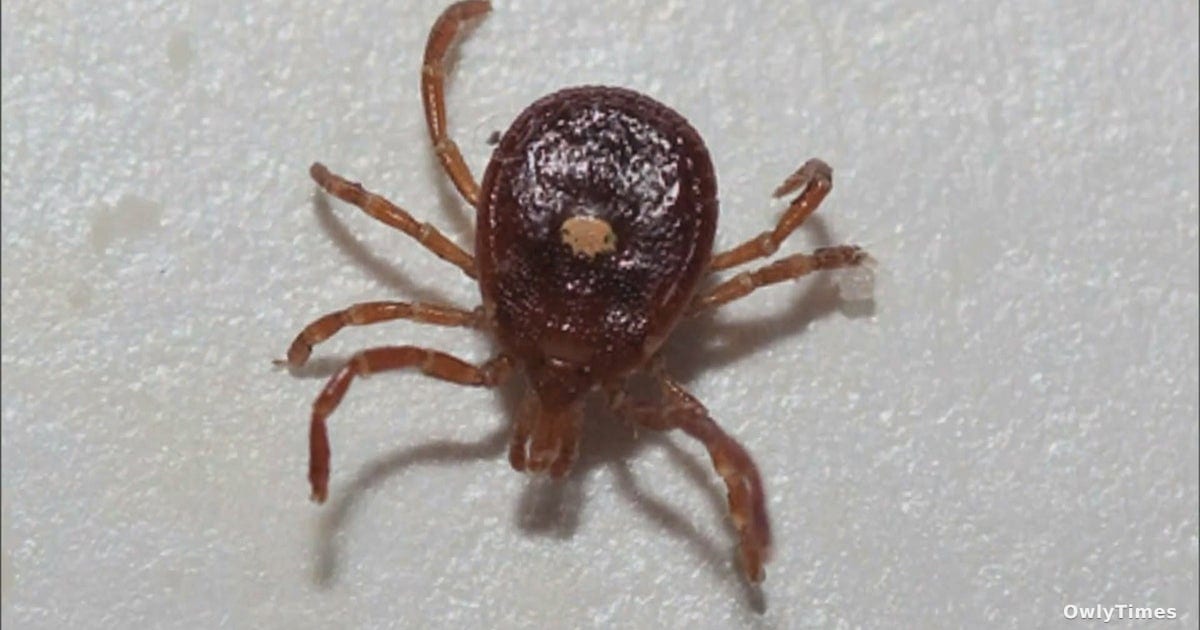

Can we effectively reconcile the growing clinical burden of tick-borne illness with the diagnostic gaps that leave patients like Annette Jackson searching for answers for years? The fundamental scientific question centers on whether our current public health surveillance and clinical diagnostic frameworks are capable of keeping pace with a rapidly expanding vector population. As environmental shifts alter the seasonal behavior of ticks, the disconnect between rising infection rates and patient outcomes is becoming increasingly difficult to ignore.
The Surge in Vector-Borne Transmission
Data from the Michigan Department of Health and Human Services reveals a striking upward trajectory in documented infections. According to the department, Lyme disease cases have increased by 168% over the past five years. To put this in perspective, state records indicate that in 2020, there were 471 new cases of the disease; by 2025, that number had surged to 2,167. This represents a significant shift in the epidemiological landscape, moving from a localized concern to a widespread public health challenge.
While the raw numbers suggest a sharp rise, it is critical to distinguish between reported surveillance data and the lived experience of patients. Headlines often emphasize the statistical spike as a sign of environmental collapse, but the reality for individuals is a complex, often frustrating journey through a medical system that struggles to categorize a disease known for its diagnostic mimicry. Jackson, a resident of Hazel Park, describes a harrowing process of being sent home from hospital visits because clinicians could not identify the underlying cause of her symptoms, despite elevated white blood cell counts.
Limitations of Clinical Detection
The difficulty in diagnosing Lyme disease stems from its ability to imitate a wide array of other conditions. Jackson’s experience highlights a pervasive limitation: the clinical reliance on symptom presentation in an environment where early-stage detection is notoriously unreliable. When the medical community lacks a clear, singular diagnostic marker for early infection, patients are often left to navigate debilitating, long-term health consequences without a clear path toward effective, insurance-covered treatment.
The current rise in cases is inextricably linked to changing seasonal patterns. Reports from the Michigan Department of Health and Human Services suggest that warmer spring months provide an expanded window for ticks to mature and, consequently, to bite. This environmental shift acts as a multiplier for the infection rate, as the ticks have more time to thrive and interact with the human population. However, the exact correlation between specific temperature fluctuations and the surge from 471 cases in 2020 to 2,167 in 2025 remains a subject of ongoing environmental monitoring rather than a settled scientific certainty.
Future Focus on Patient Advocacy
For those impacted, the next phase of this issue will be determined by whether public policy can address the accessibility of care. Jackson has begun engaging with local elected officials to advocate for improved insurance coverage, shifting the focus from individual diagnostic struggles to systemic policy change. The next reading of state-level surveillance data will demonstrate whether these outreach efforts and increased public awareness regarding tick repellent use can effectively stabilize the growth rate of new infections. As we look ahead, the scientific priority remains identifying more precise early-stage diagnostic tools to bridge the gap between initial exposure and the onset of systemic symptoms.





