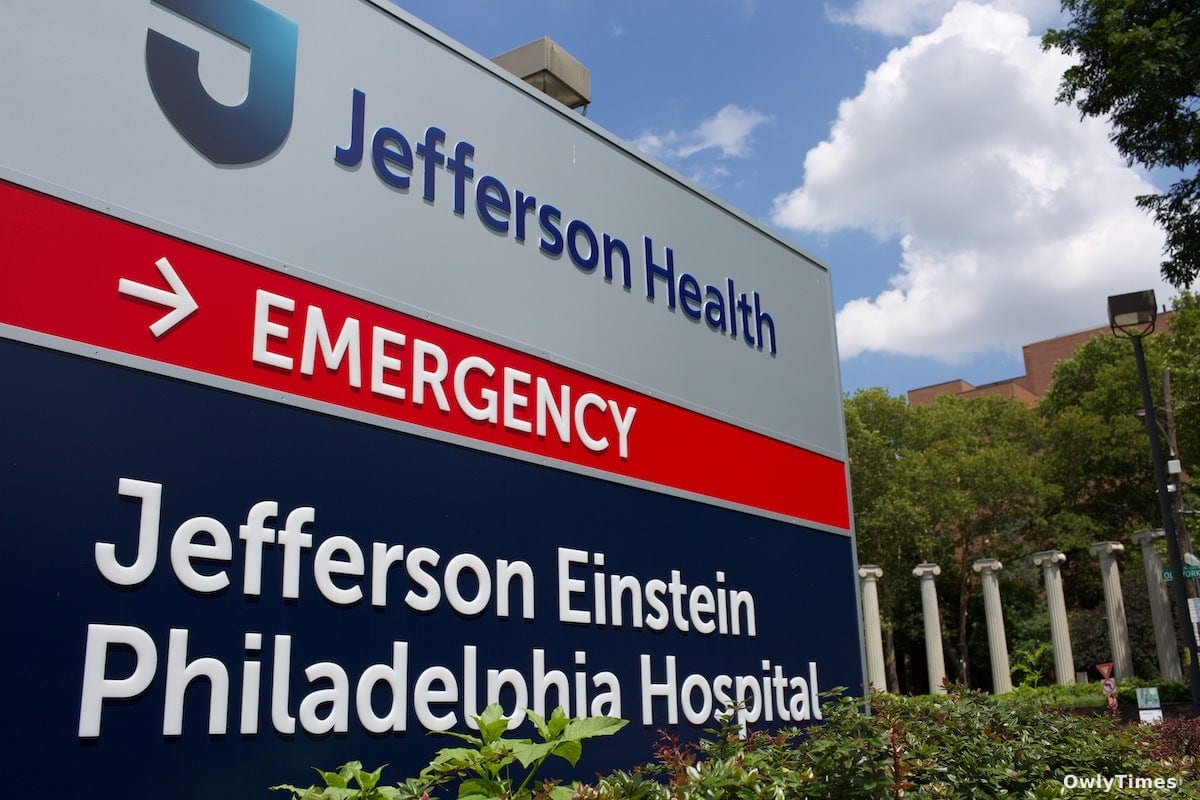

How does a health system’s shift in operational strategy affect the delicate, long-term health outcomes of a community’s most vulnerable residents? At the heart of the current tension between Jefferson Health and the nursing staff at Jefferson Einstein Philadelphia Hospital lies a fundamental question about the responsibility of large hospital networks to maintain the "continuum of care" for the neighborhoods they serve.
While headlines often focus on the friction between labor unions and management, the underlying scientific concern raised by clinicians is the disruption of a medical network. When a health system streamlines its outpatient footprint, it risks severing the link between acute hospital care—such as neonatal intensive care—and the necessary follow-up care that prevents readmission and long-term complications.
The Geography of Healthcare Access
The dispute centers on Jefferson Health's decision to shutter four pediatric practices by June 30. These locations include the Pediatric and Adolescent Ambulatory Center in the Fern Rock neighborhood, alongside the Einstein Physicians Holland Pediatrics offices in Buck Road, Frankford, and Bustleton.
For the nursing staff, this represents more than a real estate consolidation. Carla Lecoin, a registered nurse with Einstein Nurses United, an affiliate of the Pennsylvania Association of Staff Nurses and Allied Health Professionals (PASNAP), argues that these closures strip away essential resources from the local population. PASNAP currently represents approximately 1,200 nurses at the hospital, who have been engaged in contract negotiations with health system leadership since February.
Clinical Continuity vs. Operational Efficiency
The scientific argument for maintaining these practices, as articulated by registered nurse Samuel Carchidi, hinges on the medical needs of infants discharged from the Neonatal Intensive Care Unit (NICU). Patients with significant medical requirements rely on a seamless transition from the hospital to an outpatient setting where their history is known and their care is consistent.
When that network is dismantled, the risk is not merely an inconvenience for parents; it is a potential decline in the accuracy and thoroughness of pediatric care. The tension here is between the health system’s desire for structural efficiency—which they frame as a commitment to primary care networks, urgent care, and the Lehigh Valley Reilly Children’s Hospital in Allentown—and the clinicians' observation that distance and fragmentation impede patient outcomes.
Limitations of the Transition Strategy
Jefferson Health has noted that other practices, specifically Trappe Pediatric Care at Iron Bridge, Einstein Pediatrics at Township Line Road in Elkins Park, and Einstein Pediatrics at Pennypack, will transition to True North Pediatrics. While the health system asserts this allows families to continue seeing their existing care teams, the geographic reality remains a variable.
It is important to distinguish between the stated intent of "seamless" transitions and the lived experience of the community. A spokesperson for Jefferson Health stated the system has bargained in good faith, calling the union’s claims "misinformation and disinformation," while maintaining that their current proposals are "fair, competitive, and responsible." However, for families in North Philadelphia, the actual impact of these closures will not be measured by corporate statements, but by the tangible availability of pediatric services in their immediate neighborhoods.
The trajectory of this situation will be defined by the June 30 deadline. Whether the transition to True North Pediatrics effectively preserves the medical continuity currently provided by the closing clinics will be the primary metric to watch as the summer begins. The success of this transition—or the lack thereof—will likely serve as a measurable indicator of how well the health system can balance its administrative restructuring with the specialized needs of the local patient population.