
The Shifting Landscape of Microplastic Research: Why Initial Alarms May Need Recalibration
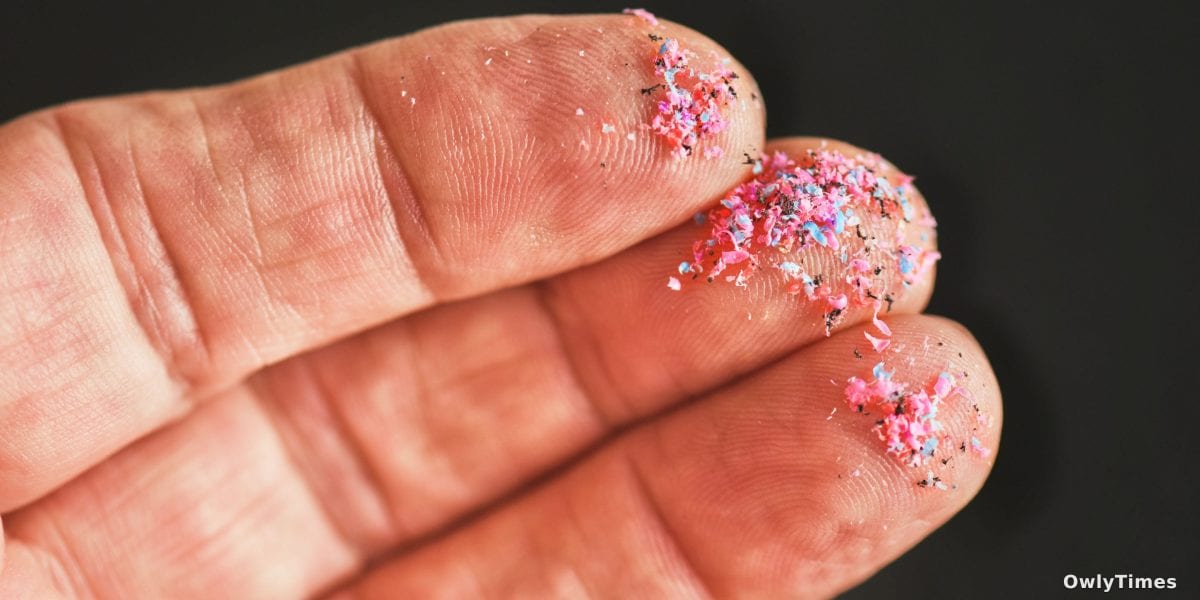
For years, a narrative has solidified in the public consciousness: we are ingesting microplastics, they are accumulating in our bodies, and this poses a significant, novel threat to human health. Headlines have proclaimed the presence of these particles in our brains, bloodstreams, and even reproductive organs. But a growing chorus of scientists is now questioning the foundations of this alarm, arguing that methodological flaws and a rush to publish may have led to exaggerated claims and, crucially, a misdirection of research efforts. The story isn’t that microplastics aren’t present – it’s that we may not be accurately measuring them, or understanding their impact, as previously believed.
The initial wave of concern stemmed from studies utilizing a technique called Py-GC-MS, pyrolysis-gas chromatography-mass spectrometry. This method involves vaporizing samples to identify molecules by their weight, theoretically allowing researchers to pinpoint the presence of micro- and nanoplastics (MNPs) within tissues. However, the validity of applying this technique to complex biological samples, particularly human tissue, is now under intense scrutiny. Cassandra Rauert, an environmental chemist, highlighted a critical issue: molecules from human fat can mimic the signals produced by common plastics like polyethylene and PVC during Py-GC-MS analysis, leading to false positives. Her research identified 18 studies that failed to adequately account for this interference. This isn’t simply a matter of refining a technique; it strikes at the core of the evidence supporting widespread claims of plastic accumulation.
This piece references the Fortune report.
The implications of these methodological concerns are substantial. A particularly prominent study, suggesting the average human brain contains the equivalent weight of a plastic spoon in MNPs, faced a formal challenge in a “Matters arising” letter by November, citing insufficient contamination controls and a lack of validation. Dusan Materic, head of research at the Helmholtz Center for Environmental Research (UFZ), went further, bluntly stating, “The brain microplastic paper is a joke.” This isn’t isolated skepticism. Roger Kuhlman, a chemist formerly with Dow Chemical Company, described the evidence presented in many of these studies as having “more holes than your cutting board,” a “bombshell” revelation that necessitates a complete reevaluation of the field. Kuhlman’s perspective is particularly noteworthy given his industry background, suggesting the critique isn’t solely originating from environmental advocacy circles.
Beyond the technical challenges of detection, biological plausibility is also being questioned. Fazel Monikh, an expert in nanomaterials at the University of Padua, points out that particulate materials undergo significant changes once inside a living organism – a process called biotransformation. Even if a plastic particle were to reach a protected organ like the brain (a scenario Monikh deems “highly unlikely”), it wouldn’t retain the characteristics observed in most reported data. Furthermore, Rauert argues that the sheer mass of plastic reported in some studies is “biologically implausible,” given the difficulty of particles between 3 and 30 micrometers in size crossing biological barriers. This raises the possibility that other factors, such as rising obesity levels, might better explain observed health trends than plastic accumulation.
The current situation highlights a critical tension within the scientific process: the pressure to publish quickly in a rapidly evolving field. Frederic Béen describes the study of microplastics in humans as “super-immature,” where the race to publish has potentially led to compromised scientific rigor. This isn’t to dismiss the potential risks of microplastic exposure entirely. The presence of plastics in the body remains a “safe assumption” for many researchers. However, the current lack of standardized, robust techniques means we are operating with incomplete and potentially misleading data. The consequences extend beyond academic debate, fueling “scaremongering” and the emergence of expensive, unproven treatments – some costing upwards of $13,500 – promising to “clean” blood of plastics.
The next crucial steps involve developing and validating more precise and reliable methods for detecting and quantifying MNPs in biological tissues. This includes refining existing techniques like Py-GC-MS to account for interference from biological molecules, and exploring alternative analytical approaches. More importantly, researchers need to shift focus towards understanding the fate of ingested microplastics – how they are metabolized, transported, and potentially excreted by the body. Are they accumulating, and if so, where? And, critically, what are the actual biological effects of these particles, beyond simply their presence? Until these questions are answered with greater certainty, the public should approach headlines about microplastic contamination with cautious skepticism, and policymakers should resist implementing regulations based on preliminary, potentially flawed data. The question now isn’t simply if microplastics are harmful, but how – and whether we’re even looking in the right places to find out.





