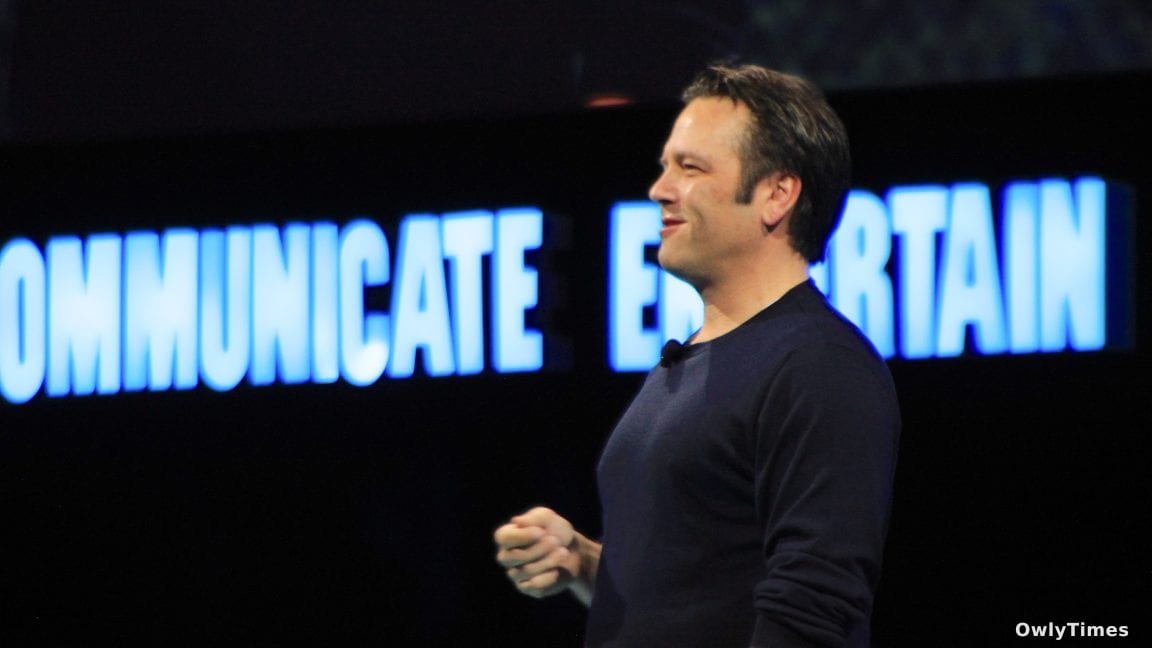

A $68.7 Billion Question Mark: The Real Reason Behind Phil Spencer’s Exit
$68.7 billion. That’s the figure hanging over the entire Microsoft gaming division as Phil Spencer, the architect of the Activision Blizzard acquisition and a 38-year veteran of the company, steps down. While framed as a personal decision to “start the next chapter of my life,” the timing – just months after securing regulatory approval for the largest gaming deal in history – suggests a deeper strategic shift is underway, one that prioritizes artificial intelligence over the console wars. Follow the money, and it leads directly to Asha Sharma, the incoming head of gaming, whose background is firmly rooted in CoreAI, not console ecosystems.
See the original Ars Technica story for the full account.
The narrative being presented is one of seamless transition. Spencer informed Satya Nadella last fall of his intentions, allowing for a planned handover. However, the simultaneous departure of Sarah Bond, Xbox President and widely considered Spencer’s heir apparent, throws that narrative into question. Bond’s exit isn’t a graceful passing of the torch; it’s a clear signal that the future direction of Xbox doesn’t align with her vision. This is particularly noteworthy given Bond’s public profile as the face of Xbox’s future strategy, including cloud gaming and accessibility initiatives. Her departure, alongside Spencer’s, represents a loss of institutional knowledge and a potential disruption to ongoing projects.
The contrast between the incoming and outgoing leadership is stark. Spencer’s legacy is built on navigating the turbulent waters of console competition, rescuing Xbox from the missteps of the Xbox One era, and aggressively expanding Microsoft’s gaming portfolio through acquisitions. He took the helm in 2014, inheriting a console generation trailing Sony’s PlayStation, and oversaw a resurgence fueled by services like Game Pass. His success is quantifiable: Xbox Game Pass now boasts over 30 million subscribers, generating an estimated $2.6 billion in annual recurring revenue as of late 2023 – a 37% increase year-over-year. Sharma, on the other hand, arrives from the world of AI, having joined Microsoft only two years ago from Meta and Instacart. Her stated commitment to “the return of Xbox” and a “recommit[ment] to our core fans” feels like a carefully worded attempt to quell anxieties, but her focus on expanding “across PC, mobile, and cloud” suggests a de-emphasis on the console experience that defined Spencer’s tenure.
Matt Booty’s promotion to Executive Vice President and Chief Content Officer further reinforces this shift. While Booty’s expertise lies in game development and studio management, his close collaboration with Sharma indicates a prioritization of content delivery across platforms, rather than exclusive console experiences. This aligns with Microsoft’s broader strategy of leveraging its cloud infrastructure, Azure, to deliver gaming services to a wider audience. The Activision Blizzard acquisition, while ostensibly about expanding gaming franchises, also provides Microsoft with a massive user base for its cloud gaming services. The regulatory battles, costing an estimated $50 million in legal fees, were ultimately worth it not just for Call of Duty, but for the potential to integrate millions of gamers into the Microsoft ecosystem.
The timing of these changes is crucial. The gaming industry is facing a period of consolidation and disruption. While console sales remain significant – the PlayStation 5 has sold over 59.3 million units globally as of March 2024 – growth is slowing. Mobile gaming continues to dominate, accounting for 57% of the global gaming market in 2023, and cloud gaming is poised for significant expansion, projected to reach $21.7 billion by 2028. Microsoft is positioning itself to capitalize on these trends, and Phil Spencer’s departure suggests a belief that the company needs a leader with a different skillset to navigate this evolving landscape.
What this means for your wallet: Expect Microsoft to increasingly prioritize gaming as a service, accessible on any device, rather than focusing solely on console exclusivity. This could mean more games available on PC and mobile, and a greater emphasis on cloud gaming subscriptions. While console gamers aren’t going anywhere, the long-term investment may shift away from hardware and towards the infrastructure that powers gaming everywhere. The key question now is whether Asha Sharma can successfully integrate Activision Blizzard’s vast catalog into Microsoft’s cloud gaming ecosystem without alienating the core console fanbase – and whether the promised “return of Xbox” will be a return to form, or a reimagining of what Xbox even is.





