
$922 Million Revenue Signals Shift in China’s Auto Supply Chain
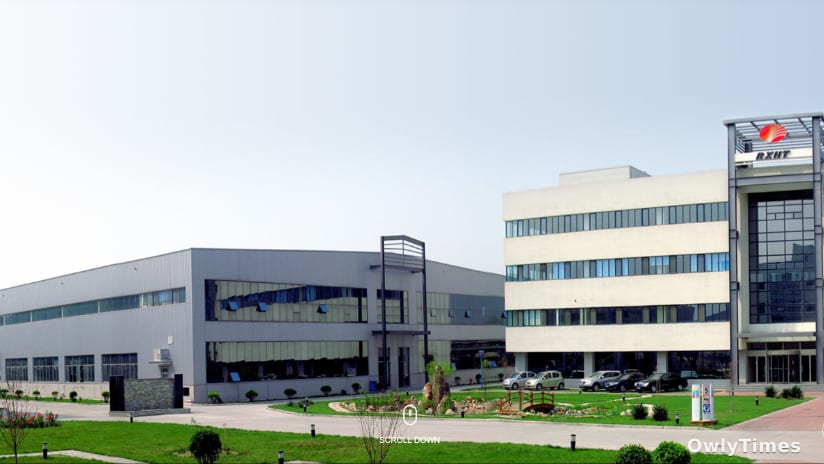
922 million yuan. That’s the revenue reported by Wuhu Deheng Automotive Equipment Co. in 2025, and it’s the figure underpinning a significant restructuring move by Tianjin Ruixin Chang Technology Co., signaling a broader trend of consolidation and vertical integration within China’s automotive supply chain. On February 27th, Ruixin Technology announced its intention to acquire a 51% stake in Deheng Equipment – a deal that, while still pending full audit and valuation, reveals a strategic pivot driven by performance pressures and a desire to capitalize on the electric vehicle (EV) boom. This isn’t simply about one company buying another; it’s about a precision component manufacturer securing direct access to stamping and welding capabilities, and, crucially, established relationships with key OEMs like Chery Automobile and Leapmotor.
Original reporting: autonews.gasgoo.com.
Ruixin Technology’s move is particularly noteworthy given its recent financial performance. The company explicitly frames the acquisition as a means to drive growth through “industry and capital,” a phrasing that acknowledges the need for both operational synergies and external investment. While specific financial details of Ruixin Technology’s recent struggles weren’t disclosed in the announcement, the decision to pursue a major asset restructuring – and simultaneously seek funding from up to 35 investors, including Huangshan Kaitou Lingsdun Venture Capital Investment Co. – suggests a need to bolster its position in a rapidly evolving market. The planned share issuance, priced at 18.08 yuan per share based on the date of the board resolution, aims to support the acquisition, though the deal will proceed even if the full fundraising target isn’t met. This demonstrates a clear prioritization of securing Deheng Equipment’s assets, even at the potential cost of diluting existing shareholder value.
The structure of the deal – a combination of share purchase and cash payment – is a common tactic in Chinese acquisitions, allowing companies to leverage both existing assets and access new capital. However, the fact that the auditing and valuation processes are still underway as of the announcement date introduces a layer of risk. The final transaction price remains undetermined, contingent on the results of the assessment. This delay isn’t unusual for complex deals, but it highlights the inherent uncertainty in valuing automotive equipment companies, particularly those operating in the dynamic EV sector. The lack of a finalized valuation also raises questions about whether Ruixin Technology is potentially overpaying for Deheng Equipment, a risk that will only be fully understood once the audit is complete.
What makes this acquisition particularly interesting is the strategic fit between the two companies. Ruixin Technology specializes in high-end precision aluminum alloy components – essential for electrical automation, automotive lightweighting, and thermal management. Deheng Equipment provides the stamping and welding expertise needed to integrate those components into finished automotive parts. This vertical integration allows Ruixin Technology to move beyond simply supplying components and offer more comprehensive solutions to its OEM clients. The potential for synergy is clear: reduced lead times, improved quality control, and increased bargaining power with suppliers. This mirrors a broader trend in the automotive industry, where manufacturers are increasingly seeking to internalize key capabilities to reduce costs and improve efficiency.
This deal isn’t a reverse IPO, as explicitly stated in the announcement, but it is a significant indicator of where the Chinese automotive supply chain is headed. Expect to see more consolidation among component manufacturers as they seek to strengthen their positions and capitalize on the growth of the EV market. The question now is whether Ruixin Technology can successfully integrate Deheng Equipment and realize the promised synergies. Investors should watch closely for the finalized valuation report and the results of the share issuance – these will be key indicators of the deal’s ultimate success, and a barometer for similar moves within the industry. What this means for your wallet: increased competition among automotive suppliers could translate to lower vehicle costs in the long run, but the immediate impact will be felt by investors in both Ruixin Technology and its competitors, as the market adjusts to this new competitive landscape.