
$500 Billion Shift: How the War in Iran is Refueling Putin’s War Machine
A staggering $500 billion. That’s the estimated economic pressure sanctions placed on Russia following the 2022 invasion of Ukraine, a deliberate attempt to cripple Vladimir Putin’s war effort by choking off export revenue. But that figure is rapidly becoming outdated, as a new conflict in the Middle East is inadvertently reversing course, handing Putin a lifeline and potentially reshaping the geopolitical landscape. The current escalation, triggered by attacks between Iran and Israel, is driving up global energy prices and prompting the Trump administration to ease sanctions on Russia, creating a paradoxical situation where a war intended to isolate Moscow is instead bolstering its economy.
Drawn from the Los Angeles Times.
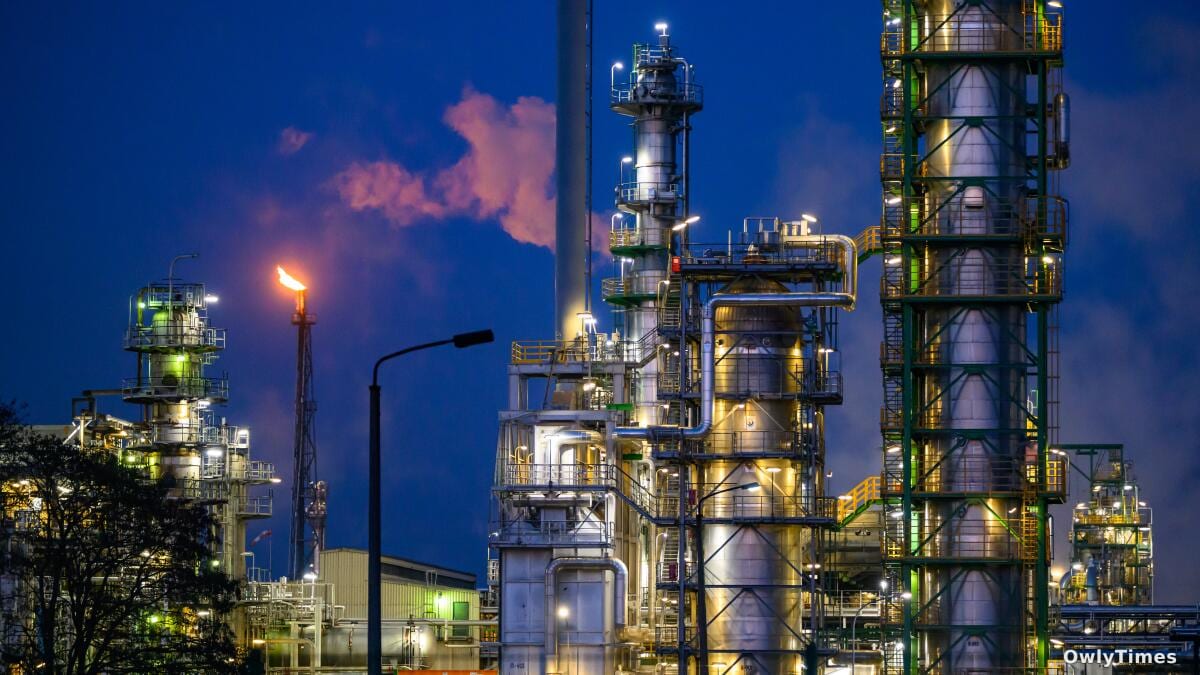
The mechanics are straightforward: disruptions to energy infrastructure – Iranian oil depots decimated by airstrikes, attacks on Saudi and Bahraini refineries, and near-cessation of traffic through the Strait of Hormuz – are sending crude oil prices soaring. This price surge directly benefits Russia, one of the world’s largest oil and gas exporters. After a decade spent navigating a complex web of international sanctions, Putin is regaining leverage in global markets. As he stated at a recent Kremlin meeting, “If we refocus now on those markets that need increased supplies, we can gain a foothold there.” This isn’t merely rhetoric; on March 4th, the U.S. Treasury Department issued a temporary 30-day waiver allowing Indian refiners to purchase Russian oil, framed as a means to alleviate pressure on Middle Eastern supplies.
The political fallout is immediate and sharp. California Representative Ted Lieu (D-Torrance) labeled the move “traitorous conduct,” pointing to intelligence reports suggesting Russia is actively assisting Iran in targeting U.S. forces. This accusation underscores a critical tension: the administration’s stated goal of de-escalation in the Middle East appears to be directly funding the adversary allegedly exacerbating the conflict. The decision to further lift sanctions on oil-producing countries, as announced by President Trump at his Doral golf club, amplifies this contradiction. His rationale – “to ease trade friction and reintroduce additional oil and gas supplies” – rings hollow when considered alongside the simultaneous strengthening of a key geopolitical rival.
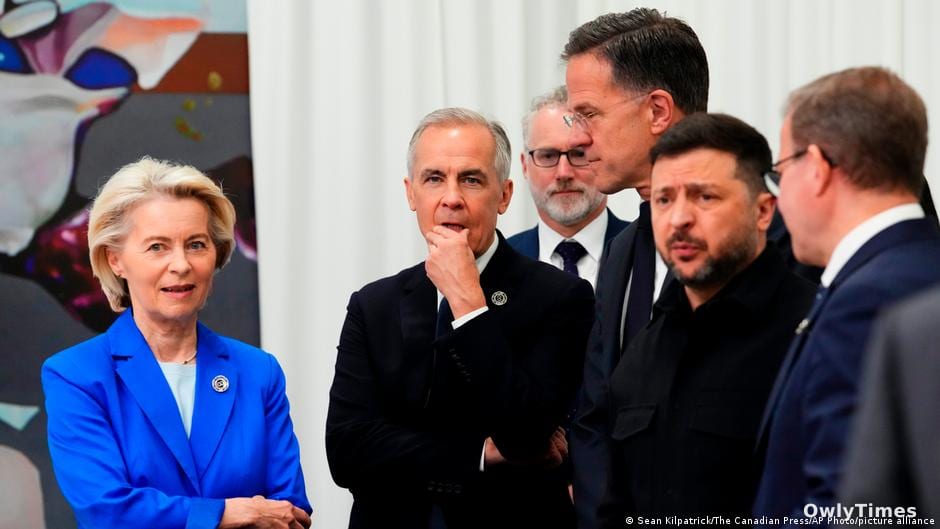
The consequences extend far beyond economics. The diversion of global attention and resources towards the Middle East is demonstrably weakening Ukraine’s position. President Volodymyr Zelensky acknowledged this shift, noting that “all attention are focused on the situation around Iran,” and that Russia is “trying to manipulate the situation…to the benefit of their aggression.” Crucially, air defense systems are being diverted from Ukraine to the Persian Gulf, and Ukraine is even dispatching drone interceptors to assist Western allies against Iranian attacks. This reallocation of resources, coupled with sidelined U.S.-brokered peace talks, creates a window of opportunity for Russia to launch a “big spring offensive” in Eastern Ukraine, an operation that, according to USC international foreign policy expert Robert English, is currently receiving insufficient media coverage.
Europe’s energy vulnerabilities are also being laid bare. Despite commitments to reduce reliance on Russian fuel – aiming for complete cessation of imports by late 2027 – the European Union still sourced approximately 19% of its gas imports from Russia as of 2025. Sky-high energy prices are exacerbating internal divisions and hindering the search for affordable alternatives. European Council President Antonio Costa bluntly stated that “so far, there is only one winner in this war,” and that winner is Russia. The situation highlights a fundamental flaw in the sanctions strategy: while designed to punish Russia, it simultaneously exposed Europe’s dependence and created an environment where alternative suppliers – like Russia – can capitalize on the disruption.
What this means for your wallet: Expect continued volatility in energy prices. The easing of sanctions on Russia, combined with ongoing instability in the Middle East, will likely prevent a significant drop in crude oil costs. This translates to higher prices at the pump, increased heating bills, and potentially broader inflationary pressures. More importantly, watch for whether the Trump administration continues to dismantle sanctions against Russia. If the 30-day waiver for Indian refiners is extended, or if further concessions are made, the economic benefits for Putin will solidify, potentially prolonging the war in Ukraine and fundamentally altering the balance of power in Europe. The question isn’t if Russia will exploit this situation, but how far the U.S. will allow them to go.