
In a calculated political maneuver that immediately reshaped the national discourse, President Donald Trump declared on Tuesday, May 12, 2026, that his focus on the War in Iran overrides domestic economic concerns. Speaking with reporters before departing for a trip to China, the President stated bluntly, "I don’t think about anybody," adding that he is "only concerned about Iran not having a nuclear weapon." This assertion, captured in a Washington Post report, reveals a strategic calculus prioritizing a singular foreign policy objective above the immediate financial well-being of American citizens, a stark departure from his populist campaign rhetoric.
The Strategic Shift from Domestic Pledges
The President's remarks at 4:21 p.m. EDT mark a significant strategic pivot, or at least a candid admission of existing priorities. Historically, American presidents have often sought to balance foreign policy imperatives with domestic economic stability, particularly during times of conflict. Trump's explicit disavowal of concern for the "economic impacts the war in Iran is having on Americans" creates a clear line in the sand, signaling to both allies and adversaries the unyielding nature of his administration's stance on Iran's nuclear ambitions. This prioritization, however, directly contradicts a core campaign pledge of addressing voters’ cost of living concerns, a promise that resonated deeply with his base and independent voters alike.
Who Benefits and Who Loses from this Stance
Analyzing this statement through the "who benefits and who loses" framework illuminates the immediate political fallout. Democrats were quick to seize on the remarks, criticizing them as a callous disregard for the struggles of everyday Americans. For the Democratic opposition, the President's statement provides potent ammunition, allowing them to frame the administration as out of touch with the economic realities faced by households grappling with inflation or job market uncertainties exacerbated by the conflict. On the other hand, the statement could be seen as beneficial to President Trump among a segment of his base that prioritizes national security and a strong, decisive foreign policy above all else. It signals resolve and a singular focus on what he defines as a critical existential threat, potentially shoring up support from those who value perceived strength on the global stage.
The most evident losers are American consumers and families feeling the direct economic strain of the War in Iran. While the specifics of these economic impacts were not detailed in the President's remarks, any prolonged conflict typically leads to increased energy costs, supply chain disruptions, and inflationary pressures, all of which directly affect the "cost of living concerns" that the President once pledged to address. His statement effectively tells these voters that their immediate financial burdens are secondary to a geopolitical objective, potentially eroding trust among those who supported him based on his domestic economic platform.
The Diplomatic Balancing Act Ahead
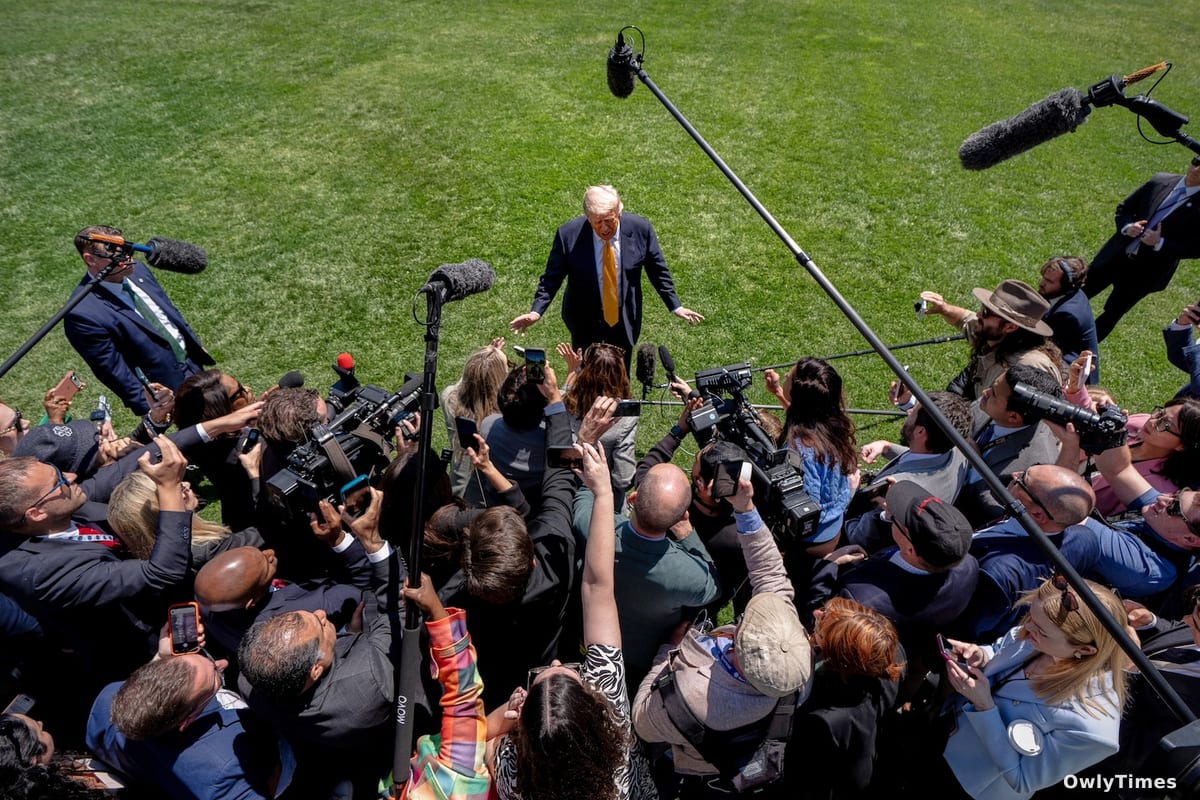
The timing of President Trump’s declaration—just before his departure for a trip to China—adds another layer of strategic consideration. It implies a consistent foreign policy posture that extends beyond the immediate Iranian crisis, suggesting a broader global strategy where national security interests, as defined by his administration, take precedence. This uncompromising stance on Iran could be intended to project strength ahead of sensitive diplomatic engagements with Beijing, which often involve complex economic and security discussions. The image accompanying the report, taken by Julia Demaree Nikhinson/AP, captures President Trump speaking to reporters, underscoring the public nature and intentionality of these remarks.
The political chess move to watch next will be how the administration attempts to reconcile this explicit prioritization of foreign policy with the persistent domestic economic challenges. The outcomes of the upcoming trip to China, particularly any joint statements or agreements, will be scrutinized for clues on how President Trump intends to manage simultaneous high-stakes international diplomacy while facing escalating criticism at home over economic issues. The immediate political future will hinge on whether this bold strategic calculus can maintain public support or if the "cost of living concerns" will prove to be an insurmountable political liability for the Trump administration.