
$23 Billion in Disruption: The Cost of Political Gridlock at DHS
$23 billion. That’s the estimated economic drag inflicted on the U.S. economy during the seven-week partial government shutdown of the Department of Homeland Security, according to an analysis by Oxford Economics. While headlines focused on airport delays and political maneuvering, the true story is one of quantifiable economic damage stemming from a breakdown in basic governance, and a stark illustration of how internal Republican divisions can translate into real-world financial consequences. The abrupt reversal by House Republicans on April 1st, agreeing to a bipartisan Senate bill after weeks of resistance, doesn’t erase that cost – it merely stops the bleeding.
The Calculus of Capitulation: Trump’s Influence and GOP Fractures
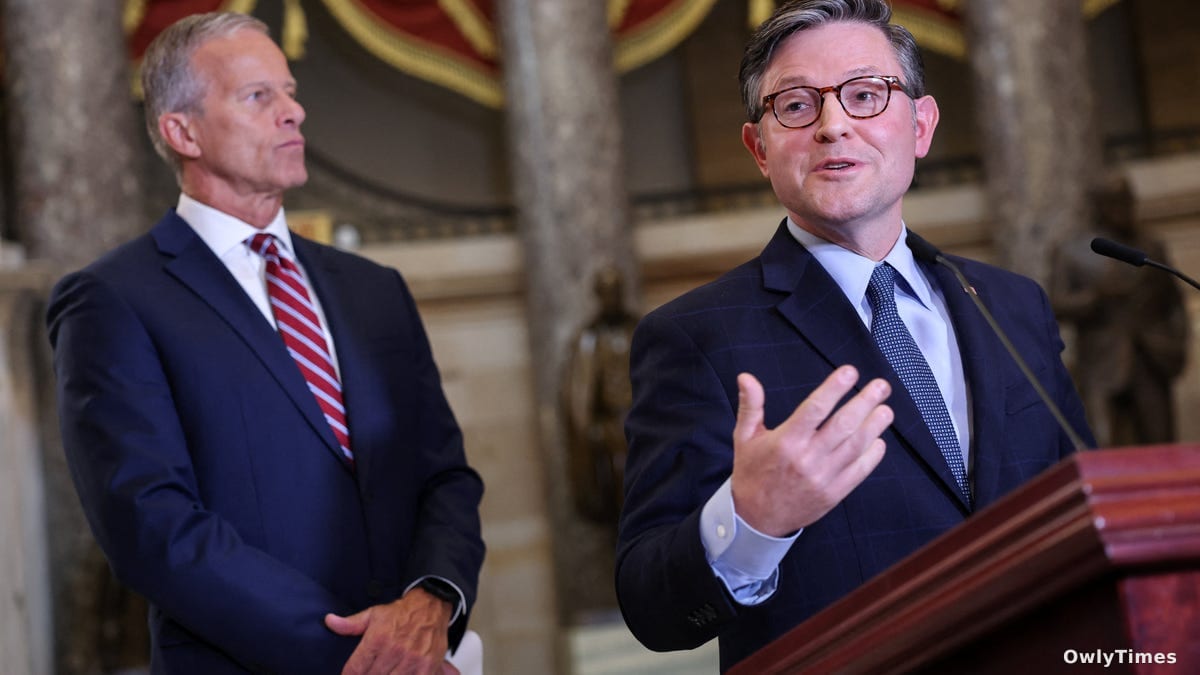
The shift wasn’t organic. President Donald Trump’s intervention on April 1st was the decisive factor, functionally endorsing the Senate approach that House Speaker Mike Johnson, R-Louisiana, had just days prior dismissed as a “joke.” This about-face followed a revolt by House Republicans on March 27th against the initial Senate compromise, passed unanimously in the middle of the night. “House Republicans caved,” declared Senate Minority Leader Chuck Schumer, D-New York, a statement backed by the data: the initial resistance cost the nation billions. The internal GOP struggle wasn’t simply ideological; it was a power play. Johnson, facing pressure from conservative hardliners, initially prioritized appeasing that faction over securing a functioning DHS. This highlights a critical dynamic in contemporary American politics – the outsized influence of a small, but vocal, minority within a major party.
Drawn from USA Today.
Beyond Airports: Hidden Costs and Agency Impacts
The immediate impact of the shutdown was visible at airports, with TSA agents working without pay and facing increased stress. However, the economic fallout extended far beyond travel disruptions. The Oxford Economics report details a ripple effect impacting sectors reliant on DHS services, including border security, cybersecurity, and disaster preparedness. While the final deal fully funds most of DHS, excluding Immigration and Customs Enforcement (ICE) and Border Patrol for the moment, the prolonged uncertainty created a chilling effect on investment and hiring. It’s crucial to note that ICE and Border Patrol weren’t left entirely without resources; they benefited from significant “cash infusions” via the “One Big, Beautiful Bill Act” passed last year, utilizing the reconciliation process to bypass typical Senate hurdles. This demonstrates a pre-existing prioritization of enforcement, even as the current shutdown highlighted the dysfunction surrounding broader DHS funding.
Policy Concessions and Accountability Measures
The shutdown wasn’t a complete loss for Democrats. The prolonged scrutiny did yield some concessions. Federal agents were pulled back from Minnesota following the controversial killings of Renee Good and Alex Pretti, incidents that fueled criticism of aggressive enforcement tactics. President Trump also ousted DHS Secretary Kristi Noem, though that was primarily linked to a separate controversy regarding expensive television advertisements. Noem’s replacement pledged increased transparency and “at least some new guardrails” on immigration enforcement. However, key Democratic demands – a ban on mask-wearing by officers and requirements for judicial warrants for immigration raids – were left unmet. This underscores a fundamental tension: while the shutdown exposed vulnerabilities and prompted some accountability measures, it failed to deliver the systemic reforms Democrats sought.
What This Means for Your Wallet
The immediate impact for most consumers is the restoration of normal DHS operations. However, the $23 billion economic hit isn’t simply absorbed; it translates to slower growth, reduced investment, and potentially higher prices down the line. More importantly, the episode sets a dangerous precedent. President Trump’s demand for a new reconciliation bill by June 1st, focused on increased immigration enforcement funding and the Iran war, signals a willingness to repeatedly leverage government shutdowns as a negotiating tactic. Investors should watch closely for the composition of that bill and the potential for another showdown. Consumers should prepare for the possibility of further disruptions if Congress fails to address the underlying issues driving these recurring crises – specifically, the increasing weaponization of the budget process and the willingness to prioritize political brinkmanship over economic stability. The question isn’t if another shutdown will occur, but when, and what the next price tag will be.





