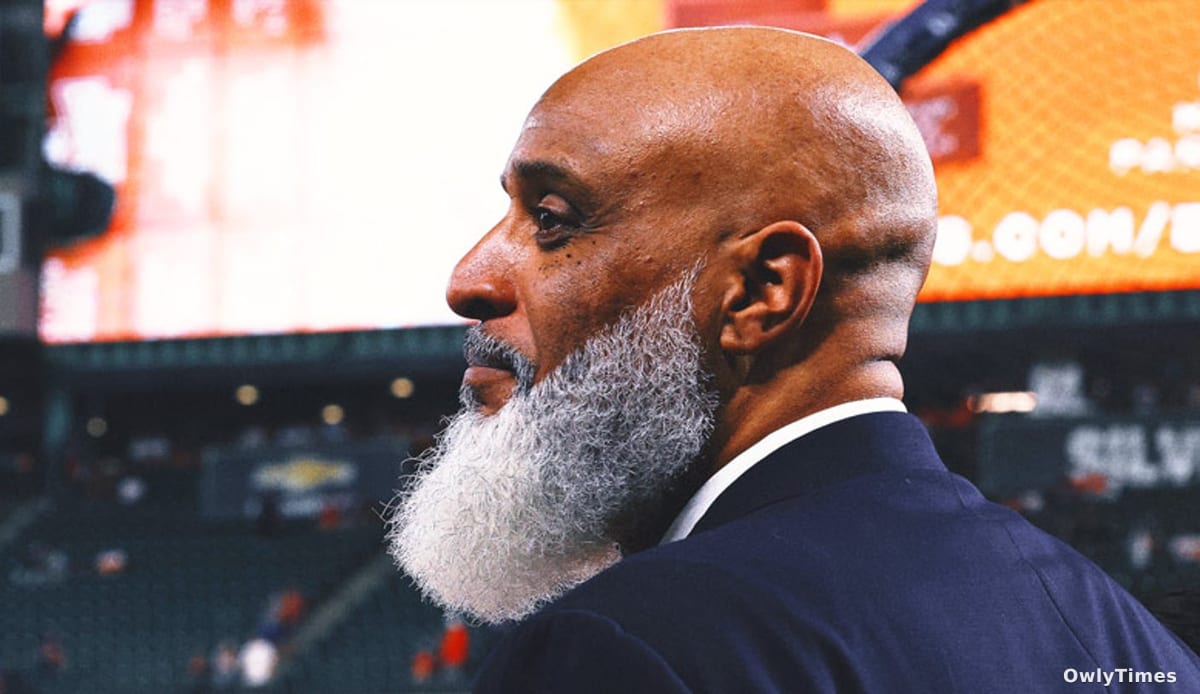

The chipped Formica of the diner booth felt cold under my elbows as I watched the news crawl across the muted television screen: Tony Clark, the steadfast voice of baseball players for a decade, was stepping down. It wasn’t the announcement itself that snagged my attention, but when it happened – right as the league gears up for 2026, a year that looms like a storm cloud over the future of the game. This isn’t a simple changing of the guard; it’s a potential unraveling, a moment where the carefully constructed peace between owners and players feels dangerously fragile. It’s a story about power, money, and the uneasy truce that keeps America’s pastime running.
A Decade at the Helm, Now Under Scrutiny
Tony Clark’s journey with the Major League Baseball Players Association (MLBPA) began in 2010, a year after he hung up his cleats following a 15-year career that included an All-Star appearance in 2001 and 251 home runs. He wasn’t a flashy superstar, but a respected veteran who understood the game from the inside. He rose through the ranks, becoming deputy executive director and then, in December 2013, the executive director, inheriting a union tasked with protecting the interests of its members in an increasingly complex financial landscape. For years, he’s been the face of player negotiations, a calm and measured presence in often-heated debates. But now, that carefully cultivated image is shadowed by an investigation by the Eastern District of New York into alleged financial improprieties within the MLBPA, as reported by ESPN. The timing is, to say the least, suspect.
This article draws on reporting from foxsports.com.
The MLBPA has always been a powerful force, fiercely defending player rights and pushing for better compensation. But the current collective bargaining agreement (CBA) expires on December 1, 2026, and the looming threat of a lockout in 2027 hangs heavy. The central point of contention? A salary cap. Owners, citing competitive balance and financial sustainability, are pushing for one. Players, understandably, are vehemently opposed, viewing it as a restriction on earning potential and a step backward in decades of hard-won gains. This isn’t just about million-dollar contracts; it’s about the fundamental power dynamic between those who play the game and those who profit from it.
Beyond the Headlines: A Union in Crisis?
The investigation into the MLBPA’s finances adds another layer of complexity to an already fraught situation. While details remain scarce, the allegations raise questions about transparency and accountability within the union. It’s a particularly damaging narrative for an organization built on trust – players need to believe their union is acting in their best interests, managing their funds responsibly. The fact that Clark’s departure is coinciding with this investigation isn’t just bad luck; it suggests a level of internal pressure that forced his hand. Consider this: the average MLB player salary in 2023 was $4.9 million, a figure that has steadily increased over the years, but one that is increasingly scrutinized by owners facing rising stadium costs and broadcast revenue challenges. A weakened union, embroiled in scandal, is less equipped to negotiate effectively on behalf of its members.
The potential for a lockout in 2027 isn’t just a baseball problem; it’s a symptom of a broader trend in professional sports. Owners across leagues are increasingly focused on maximizing profits, often at the expense of player welfare and competitive fairness. The NBA and NFL have faced similar battles over revenue sharing and player restrictions. Baseball, traditionally seen as a more conservative league, is now caught in the same crosscurrents. The current CBA, negotiated in 2021, ended a 99-day lockout, a stark reminder of the potential for disruption. That lockout cost the league billions in revenue and alienated fans. Another work stoppage would be devastating, especially as the sport struggles to attract younger audiences.
What This Means for the Future of the Game
Tony Clark’s exit isn’t simply a personnel change; it’s a seismic shift in the power dynamics of Major League Baseball. His successor will inherit a union under investigation, facing a looming CBA expiration, and a determined ownership group pushing for a salary cap. The next MLBPA executive director will need to be a skilled negotiator, a master communicator, and, crucially, someone with unwavering integrity. The question isn’t just who will replace Clark, but can anyone effectively lead the union through this crisis?
The stakes are incredibly high. If the owners succeed in implementing a salary cap, it will fundamentally alter the landscape of the game, potentially stifling player movement and limiting earning potential. If the players stand firm, they risk a lockout that could further damage the sport’s reputation and alienate its fanbase. As we look ahead to 2026 and beyond, the crucial question isn’t just whether a new CBA will be reached, but whether Major League Baseball can find a way to balance the interests of owners, players, and fans – and preserve the soul of the game in the process. Will the next generation of fans even be watching if the game becomes defined by financial constraints rather than athletic brilliance?

