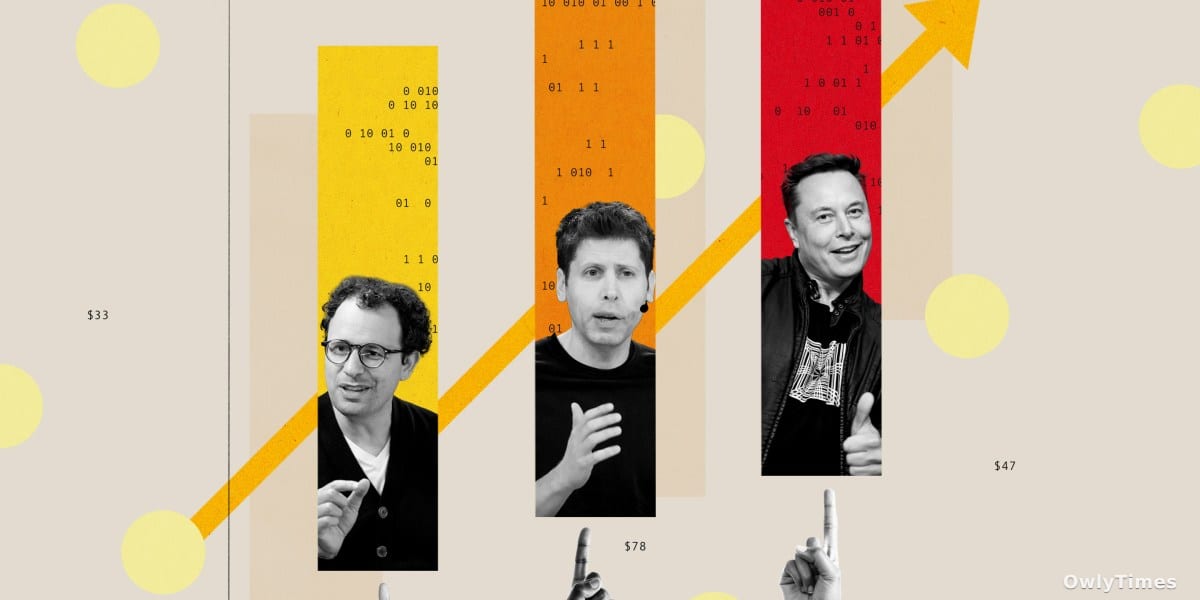

Thirteen departures from a 42-person founding team represent more than just standard startup churn; they signal a fundamental shift in the economics of artificial intelligence labor. At Thinking Machines Lab, the high-profile startup led by Mira Murati, nearly one-third of the original cohort has exited within its first year of operation. This exodus highlights a brutal reality in the current tech landscape: for the most elite AI engineers, the "one-year cliff"—the milestone at which initial equity grants begin to vest—has transformed from a retention tool into a strategic exit window.
Follow the money, and the motivation for this attrition becomes clear. While Thinking Machines Lab offers competitive base salaries ranging from $350,000 to $475,000, the compensation packages being dangled by industry giants are operating on a different scale entirely. Recruiters are now utilizing subject lines promising $1.5 million in cash compensation "and up" to entice talent away. In some instances, defectors have secured total packages—combining cash and stock—reaching into nine figures, a level of remuneration historically reserved for professional athletes rather than software engineers.
The competitive pressure is largely driven by Meta, which has aggressively courted the startup’s staff, successfully luring seven founding members. OpenAI has followed suit with five, and xAI has claimed one. These aren't random departures; they are targeted strikes against a company that raised $2 billion in capital before even launching a product. The loss of three of the company's six co-founders—including Andrew Tulloch, Barret Zoph, and Luke Metz—underscores that the poaching efforts are effectively hollowing out the startup’s foundational intellectual capital.
The Achilles' Heel of Modern Equity Structures
The rapid turnover at Thinking Machines Lab exposes a structural vulnerability in the standard startup compensation model. For years, the one-year cliff was designed to ensure commitment from early-stage employees. In the current "arms race" for AI talent, however, that same structure creates a predictable liquidity event that rival firms are weaponizing. Once the initial equity vests, the "golden handcuffs" vanish, leaving top-tier talent free to accept the massive premiums offered by Big Tech.
This environment has forced a rethink of long-term incentive structures. Independent compensation consultant Dan Walter notes that retention rates in this sector are at historic lows, leading some to argue for extending cliff periods to five years to combat the ease with which competitors can "buy" talent. For a company like Thinking Machines Lab, which has seen its total headcount quadruple to over 150 people, the challenge is now managing this transition from an elite, tight-knit founding group to a scaled enterprise without losing the very people who built the core product, Tinker.
Talent Arbitrage and the Institutional Response
Despite the departures, the talent war is not a one-way street. Thinking Machines Lab continues to draw from the same pools it loses to, recently hiring Kenny Yu from Meta’s high-profile TBD lab. The company also successfully recruited Soumith Chintala, the creator of PyTorch, to serve as CTO. This tactical talent arbitrage remains essential as the firm attempts to maintain its momentum in model development.
To stem the tide of exits, the company has begun searching for a dedicated specialist to overhaul its equity framework, offering a base salary of up to $425,000. The effectiveness of this new retention strategy will be tested by the market’s continued appetite for the firm's researchers. As the company prepares for the wider launch of its new, real-time interactive AI model later this year, the next reading of its internal retention rate will determine whether it can stabilize its core team or if it will continue to serve as a high-cost training ground for its deepest-pocketed rivals.