
How do we bridge the gap between clinical excellence and the kitchen table? For decades, the medical establishment has relied on a model that requires patients to navigate the complex, often intimidating infrastructure of hospitals to receive basic preventive care. However, a growing body of research suggests that the most effective way to improve cancer screening rates—particularly in rural or underserved populations—is to strip away the clinical setting entirely and replace it with community-based engagement.
On April 20, 2026, the Penn State Cancer Institute and Penn State College of Medicine put this theory to the test in a most unconventional setting: a "Ladies Night Out" in Millersburg, Pennsylvania. Amidst the sounds of live rock music, karaoke, and a competitive Kentucky Derby hat contest, the team introduced on-site cervical cancer screening. The headlines may focus on the festive atmosphere, but the underlying methodology represents a significant shift in public health strategy.
While traditional Pap smears require a physician-led pelvic exam, this program utilizes a self-collected swab test for the human papillomavirus (HPV). Participants, such as Cynthia Christiansen, 63, were able to collect their own samples in private, which were then sent to Penn State Health Milton S. Hershey Medical Center for analysis. By removing the need for a formal exam room and a scheduled appointment, the program aims to address the systemic barriers—such as lack of insurance or geographic isolation—that leave approximately 30% of women in Pennsylvania behind on their cervical cancer screenings, according to William Calo, community engagement associate director at the institute.
It is important to maintain a nuanced view of these mobile initiatives. While bringing screenings to community events increases convenience and visibility, it is only the first step in a larger diagnostic pathway. The efficacy of this model relies heavily on the "follow-up" component; the Office of Community Outreach and Engagement is responsible for ensuring that individuals who test positive for HPV are successfully transitioned into formal clinical care. The success of this program will not be measured solely by the number of swabs collected, but by the number of patients who successfully navigate the path from a positive screening to definitive treatment.
The institute’s approach extends beyond cervical cancer into environmental health through its "Breathe Easy" project. Rebecca Kline, 68, who participated in the Millersburg event, was among those who received a free home radon test kit. Given that approximately 40% of tested Pennsylvania homes show high levels of radon, this proactive outreach addresses a primary, yet often overlooked, risk factor for lung cancer. The program’s commitment to providing mitigation systems for low-income families in 2026 further underscores an effort to turn awareness into tangible risk reduction.
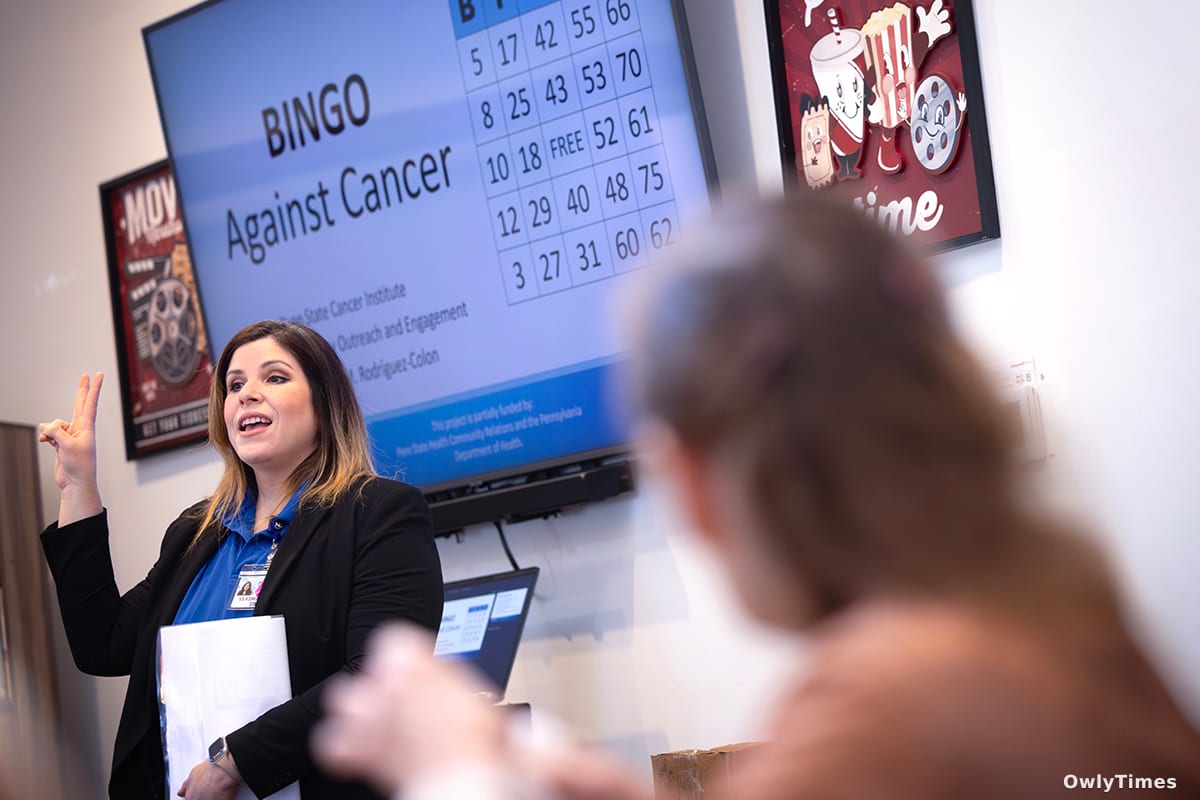
Even the delivery of health information is undergoing a redesign. Through "BINGO Against Cancer" events—such as the one led by community engagement manager Sol Rodríguez-Colón at Juniper Village—the team is evaluating whether gamified education can dismantle the fear surrounding cancer discussions. Dorothy Zeiber, an 82-year-old attendee, noted that the format made complex risk factors accessible.
Moving forward, the primary indicator of success for these initiatives will be the volume of screenings completed; the team has set a target of at least 100 free HPV tests for 2026. As the institute continues to gather feedback and refine its outreach, the data collected from these community interactions will determine whether this "health-to-you" model can be scaled effectively across other regions, potentially setting a new standard for preventive oncology in rural health care.





