
The Deep History of a Nuisance: Mosquitoes and Humans Co-Evolved Millions of Years Ago
For millennia, humans have sought ways to repel, eradicate, and simply endure the mosquito. But a new study published February 26th in Scientific Reports reframes this relationship not as a recent imposition, but as a deeply interwoven evolutionary history stretching back nearly three million years. The research doesn’t offer a solution to itchy bites, but it does fundamentally alter our understanding of how and why mosquitoes target us, revealing that our ancestors inadvertently drove the evolution of this persistent pest. The headline claim – that mosquitoes began biting humans millions of years ago – is accurate, but obscures the nuance of which mosquitoes, where this shift occurred, and the methodology used to arrive at this conclusion.
Drawn from sciencenews.org.
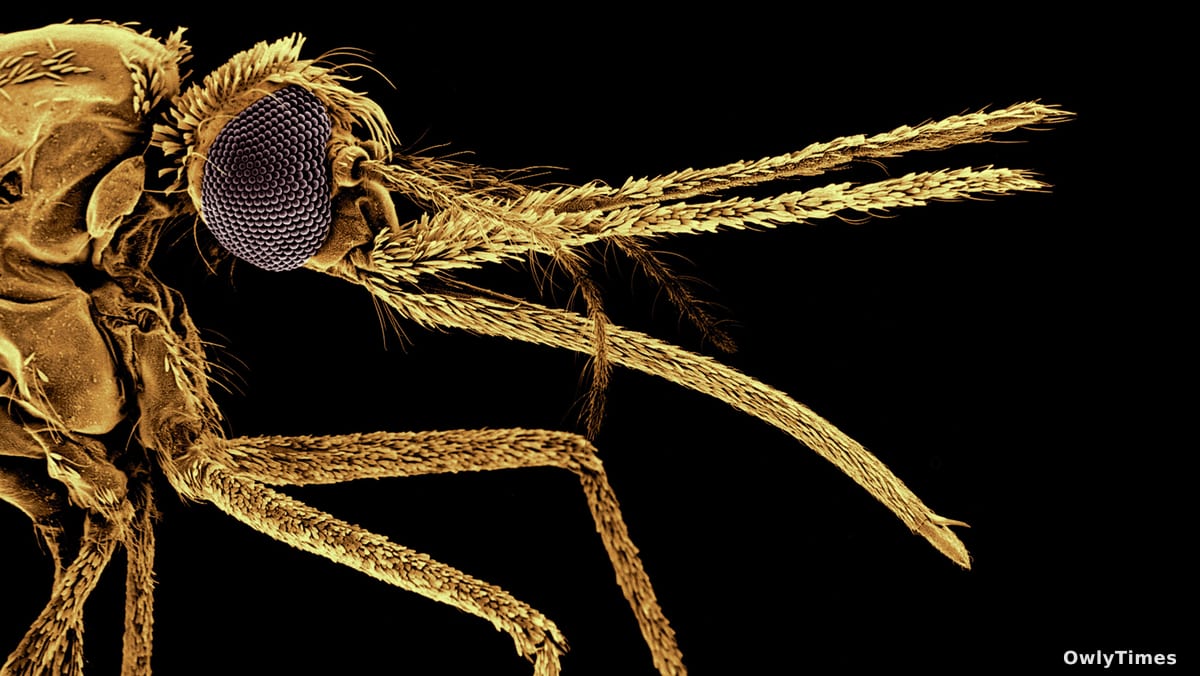
Catherine Walton, an evolutionary biologist at the University of Manchester in England, led the team that analyzed the DNA of 38 modern mosquitoes. Their focus wasn’t on all mosquitoes, but specifically on 11 species within the Anopheles leucosphyrus group. This group was strategically chosen because of its genetic diversity, offering a representative snapshot of the entire group’s evolutionary lineage. The researchers categorized these species based on their feeding preferences: some exclusively target humans (anthropophilic), like Anopheles dirus and Anopheles baimaii – both notorious malaria vectors – while others prefer non-human primates, or feed on both. By examining mutation rates within their genes, the team reconstructed a family tree, effectively rewinding the clock to estimate when the shift to human blood-feeding first occurred.
The study pinpointed a timeframe between 2.9 and 1.6 million years ago for this initial adaptation. Crucially, the location also emerged as a key piece of the puzzle: a now-submerged landmass known as Sundaland, encompassing present-day Malay Peninsula, Borneo, Sumatra, and Java. This suggests that the earliest human-biting mosquitoes weren’t responding to Homo sapiens as we know them, but to earlier hominin species migrating out of Africa. Before this period, the leucosphyrus group subsisted solely on primate blood in the rainforest canopy, a behavior traced back over 3.6 million years. This isn’t to say mosquitoes hadn’t bitten primates for millions of years, but that the preference for human blood was a distinct, later development.
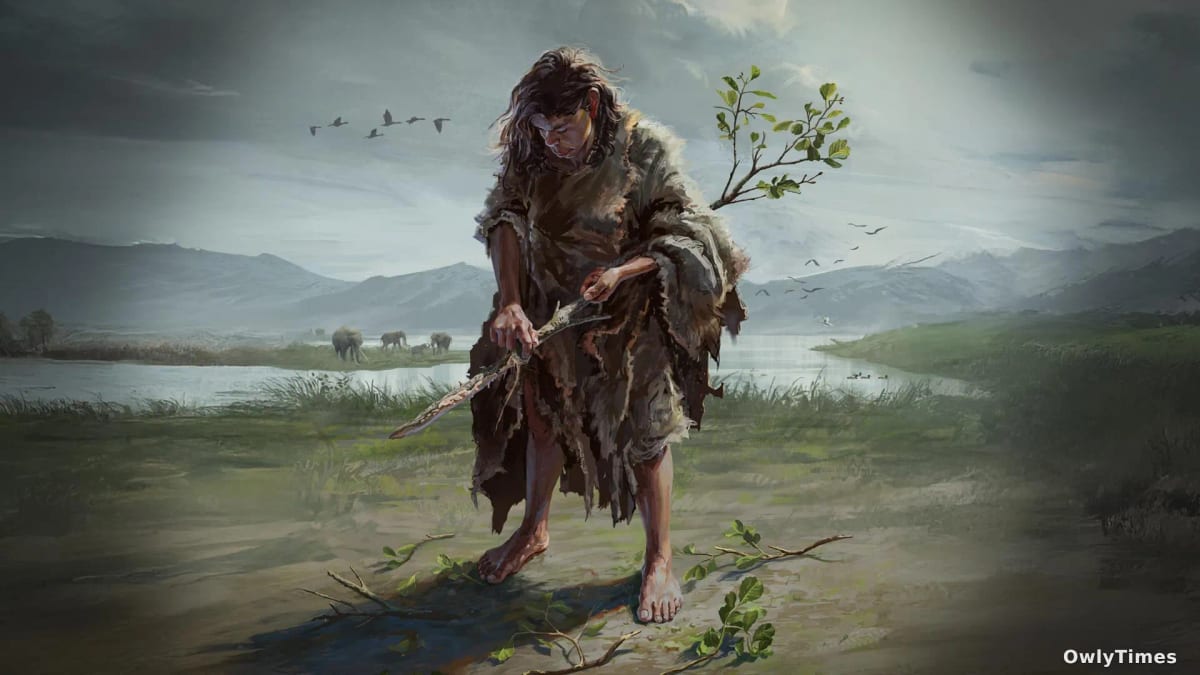
This timing aligns remarkably with mounting archaeological evidence suggesting Homo erectus began spreading into Asia around 1.8 million years ago. A recent study dating Homo erectus skulls found in China corroborates this timeframe. Walton explains that the evolutionary shift in mosquito feeding habits likely required a substantial population of Homo erectus in Southeast Asia. “You need an abundance of Homo erectus to really get an evolutionary change taking place,” she stated. The implication is that early humans offered a novel and plentiful food source, likely distinguished by a unique odor profile that attracted these ancestral mosquitoes. It’s a sobering thought: our very scent may have inadvertently fostered the evolution of one of the world’s most dangerous vectors of disease.
Implications for Malaria Control and Future Research
While the study doesn’t directly address malaria control, understanding the deep evolutionary history of human-mosquito interactions is crucial for developing more effective strategies. The Anopheles mosquitoes identified as early human-biters are also key vectors of malaria, a disease that continues to plague millions globally. Knowing that this preference evolved millions of years ago, and wasn’t a recent adaptation to modern humans, suggests that simply altering human behavior or scent may not be a viable long-term solution. The mosquito’s attraction is deeply ingrained in its genetic makeup. Currently, approximately 100 out of an estimated 3,600 mosquito species bite humans, but the evolutionary pressures that led to this behavior in the leucosphyrus group may be at play in other species as well.
Limitations to Consider
It’s important to acknowledge the limitations of this study. The analysis is based on the genetic data of a relatively small number of mosquito species within a single group. While the leucosphyrus group provides a valuable window into early mosquito evolution, it doesn’t necessarily represent the entire history of human-mosquito interactions. Furthermore, reconstructing evolutionary timelines relies on assumptions about mutation rates, which can vary over time and between species. The study also doesn’t definitively identify the specific olfactory cues that attracted early mosquitoes to Homo erectus, leaving open the question of whether these cues are still present in modern humans.
What’s Next in Mosquito Evolution Research?
The next crucial step is to expand the genetic analysis to include a wider range of mosquito species, particularly those from different geographic regions. Researchers are also beginning to investigate the specific genes responsible for detecting and responding to human odors. Identifying these genes could reveal potential targets for novel mosquito repellents or even genetic control strategies. Perhaps most importantly, future research should focus on understanding how environmental changes, such as deforestation and climate change, are influencing mosquito behavior and disease transmission. Will these pressures drive further adaptations in mosquito feeding preferences, potentially leading to the emergence of new disease vectors? The story of mosquitoes and humans is far from over, and continued research is essential to navigate this complex and evolving relationship.