
The central question facing mental health advocacy today is not whether we need more conversation, but how we can translate that conversation into actionable community support. While awareness campaigns often struggle to move beyond surface-level platitudes, a new collaborative effort is attempting to bridge the gap between clinical expertise and narrative-driven public education. By combining the resources of academic institutions with national broadcast standards, this initiative seeks to ground the mental health dialogue in the lived experiences of those directly navigating the healthcare landscape.
A Collaborative Approach to Public Discourse
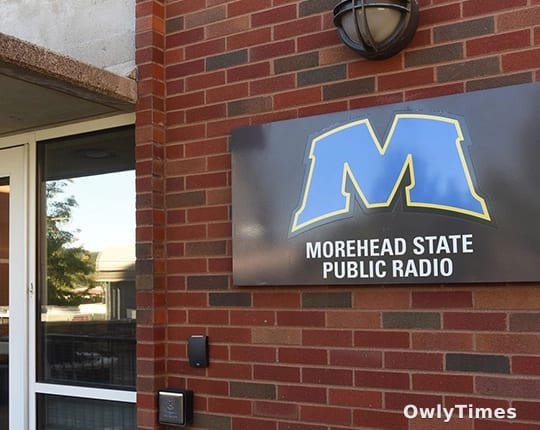
Morehead State Public Radio (MSPR) has announced a partnership to address these complexities during Mental Health Awareness Month in May 2026. The station is working alongside the Department of Sociology, Social Work & Criminology, Counseling & Health Services, and the JED Foundation to curate a five-part series titled “Call to Mind.” This project is produced by American Public Media and anchored by veteran journalist Angela Davis, marking a notable effort to align regional institutional knowledge with professional, large-scale media production.
What the series actually proposes is a shift from abstract policy discussion to what the producers describe as "sound-rich storytelling." While headlines might frame this as a simple awareness initiative, the actual methodology involves integrating expert insights with the personal testimonies of individuals currently navigating mental health challenges. By anchoring the series in the expertise of sociology and clinical counseling departments, the project attempts to offer a more rigorous framework than standard interview programs, moving away from purely anecdotal evidence.
Navigating the Limitations of Broadcast Advocacy
It is important to maintain a realistic perspective on what a five-part radio series can achieve. While the integration of the JED Foundation—a group noted for its focus on emotional health and suicide prevention among teens and young adults—suggests a high standard of care, public radio programming remains a supplementary tool rather than a clinical intervention. These broadcasts are designed to foster supportive environments and provide resources, but they do not replace the necessity of professional, individualized therapy or institutional mental health services. The success of this initiative will hinge on its ability to offer listeners concrete, actionable pathways to care rather than just theoretical understanding.
Expanding Access Through Digital Infrastructure
The technical accessibility of the project is as significant as its content, given that rural and regional listeners often face the greatest barriers to mental health resources. Listeners can access the programs via WMKY at 90.3FM, or through digital streams at www.wmky.org. The inclusion of smart speaker compatibility and mobile app integration reflects a deliberate attempt to meet audiences where they are, acknowledging that modern health literacy requires seamless, user-friendly distribution.
The effectiveness of this communication model will be measured by the engagement levels observed throughout the month of May. Interested parties can reach out to Hitchcock at [email protected] or call 606-783-2334 for further information. The next reading of participation and feedback metrics following the final installment of the series will indicate whether this collaborative format successfully encourages listeners to seek out the provided counseling and health services, or if further refinement of the outreach strategy is required.





