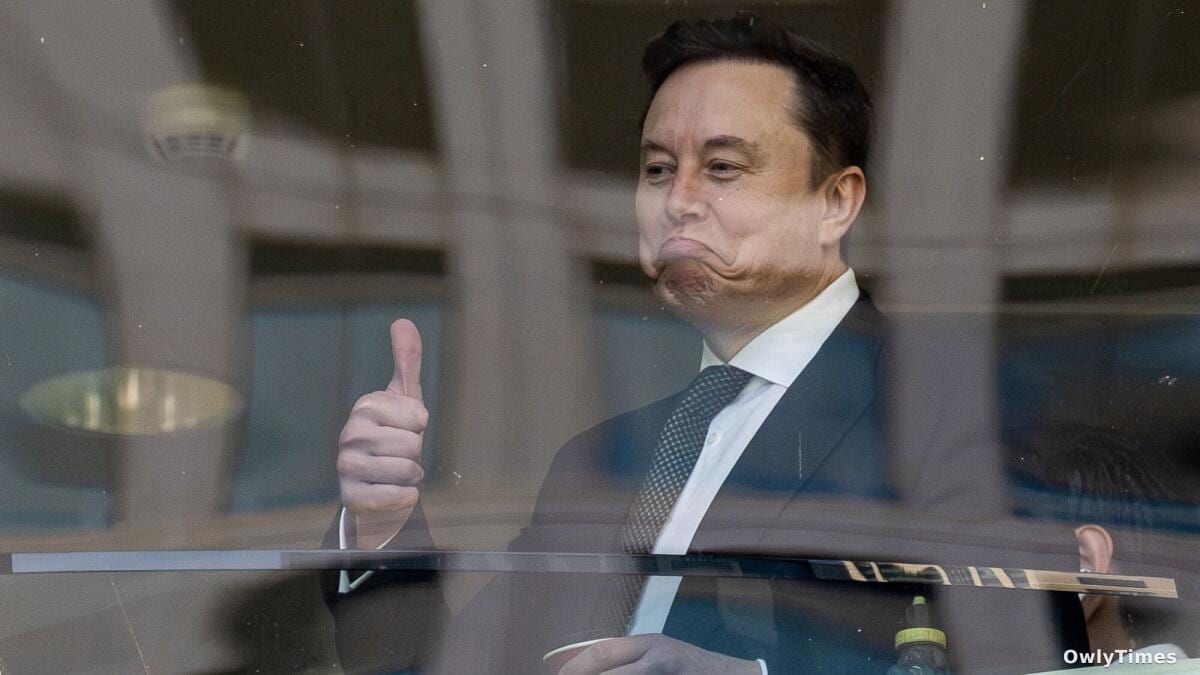

$38 million is the specific sum Elon Musk acknowledged contributing to OpenAI in strict monetary terms, a figure that stands in stark contrast to the $1 billion commitment initially publicized when the nonprofit launched in 2015. This disclosure, delivered under oath on Wednesday, provides a concrete financial anchor to a courtroom battle that is currently testing the foundational ethics of the artificial intelligence boom.
Follow the money, and the narrative shifts from high-minded altruism to a complex power struggle over intellectual property and corporate control. While the nonprofit’s original mission was to develop technology for the “benefit of humanity,” Musk’s testimony reveals a trajectory defined more by shifting loyalties than by fixed capital infusions. By his own admission, his financial involvement—which included quarterly donations and office rent—evaporated as he began to lose trust in the leadership team around 2017.
The Friction of Fiduciary Duties
The courtroom tension between Musk and William Savitt, the attorney representing OpenAI, centers on the definition of value. When pressed on the $1 billion shortfall, Musk countered that his contribution was not merely monetary; he claimed he provided the “reputation” and “ideas” necessary for the startup to exist. This argument highlights the central contradiction of the case: a billionaire founder claiming his intangible influence holds more weight than the capital he initially pledged.
Savitt, a veteran litigator who previously represented Twitter Inc. during Musk’s acquisition bid, used this cross-examination to frame Musk’s motivations as opportunistic rather than principled. The questioning probed whether Musk’s 2017 attempt to gain majority control over a proposed for-profit subsidiary was a move to secure personal power or a necessary pivot to compete with Alphabet Inc.’s Google. Musk’s own admission that he encouraged his companies to recruit talent from OpenAI further complicates his position, casting doubt on his claim that his primary goal was the preservation of a nonprofit sanctuary.
Market Positioning and Corporate Evolution
The stakes of this litigation extend far beyond the courtroom in Oakland, as both OpenAI and Musk’s own venture, xAI, are currently maneuvering toward high-stakes financial milestones. With OpenAI’s valuation approaching $1 trillion and xAI recently acquired by SpaceX ahead of a potential initial public offering, the trial serves as a public audit of the industry’s shift toward for-profit scaling.
Musk’s assertion that converting a nonprofit into a for-profit enterprise is “having your cake and eating it too” remains the core of his legal argument. However, he faced an uncomfortable moment when Savitt questioned if his own company, xAI, inherently carries the same safety risks he attributes to OpenAI’s current structure. Musk’s concession that xAI does indeed suffer from those risks illustrates the difficulty of balancing rapid AI development with the safety-first mandates he helped codify at OpenAI’s inception.
Investor Takeaway
For those watching the broader AI landscape, this trial is not just a disagreement over past donations; it is a preview of the regulatory and ethical scrutiny that will likely define future AI industry consolidation. The legal outcome—which could result in as much as $134 billion in damages and the removal of Sam Altman and Greg Brockman—would force a massive restructuring of one of the world's most influential companies.
The next reading of OpenAI’s corporate governance structure, following the conclusion of these proceedings and the recent finalization of their for-profit conversion, will indicate whether the industry’s current trajectory toward massive private capitalization can coexist with the nonprofit ideals that sparked the current AI gold rush.