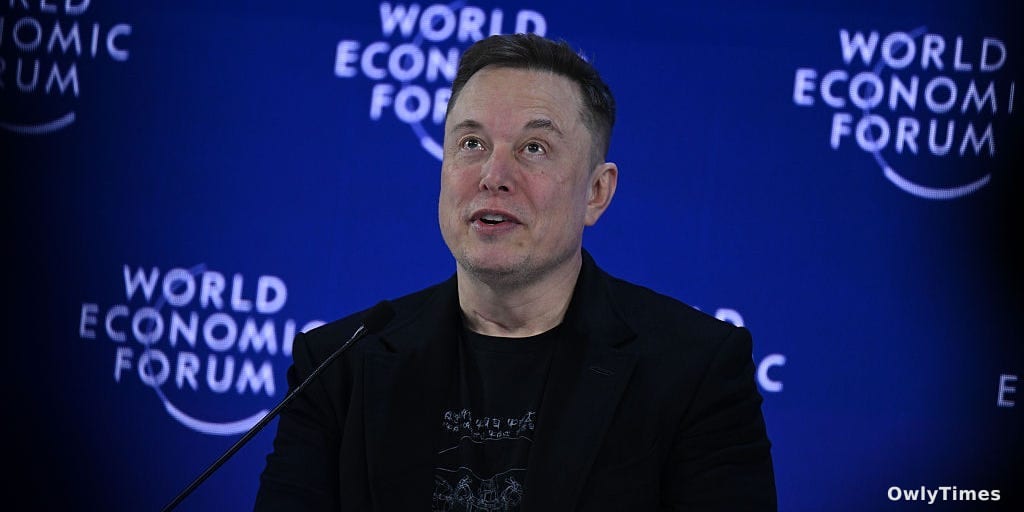

Is Silicon Valley collectively hallucinating about the future of work? While companies like Atlassian and Block are wielding AI as a justification for mass layoffs – 10% of Atlassian’s workforce and a staggering 40%, or 4,000 employees, at Block – Elon Musk is publicly forecasting increased headcount at Tesla. The real story here isn't the inevitable robot uprising eliminating jobs, it’s that the narrative of AI-driven job losses is being selectively applied, and often serves as convenient cover for pre-existing business pressures.
The contrast is stark. Jack Dorsey’s Block explicitly cited AI as the primary driver for its brutal cuts, a move that conveniently coincided with a broader tech sector correction and questions about the company’s diversification strategy. Atlassian framed its 10% reduction as a necessary restructuring to “reshape its workforce” around AI, a phrasing that feels less like technological inevitability and more like corporate jargon for streamlining costs. Meanwhile, Musk is predicting “nutty high” output per worker at Tesla, fueled by robotics, and openly stating “we’re not planning any layoffs.” This isn’t contrarianism for its own sake; it’s a bet that intelligent automation will augment human capabilities, not replace them entirely – at least, within Tesla’s specific manufacturing ecosystem.
This divergence highlights a crucial point: AI’s impact on employment isn’t uniform. The jobs most immediately vulnerable are those involving repetitive tasks, data entry, and basic customer service – roles that are already feeling the squeeze. But complex manufacturing, requiring adaptability, problem-solving, and nuanced physical dexterity, is proving more resistant to full automation. Daniel Diez, chief business officer at Agility Robotics, succinctly put it to Business Insider: companies are turning to robotics to fill labor gaps, particularly for those tedious, physically demanding jobs nobody wants. Tesla, facing the perennial challenges of scaling production and maintaining quality, likely falls into this category. They aren’t aiming to eliminate workers; they’re aiming to make their existing workforce vastly more productive.
Reporting from Business Insider informs this analysis.
The implications extend beyond Tesla’s factory floors. Musk’s long-term vision, including his advocacy for universal basic income, hinges on a future where robots handle the bulk of production, leading to a surplus of goods and services. He envisions a world of “deflation,” where abundance renders traditional economic models obsolete. But this scenario relies on a fundamental shift in how we distribute wealth and value work – a shift that’s far from guaranteed. The current wave of AI-driven layoffs isn’t a prelude to a utopian future of leisure; it’s a reflection of short-term profit motives and a tech industry eager to demonstrate “efficiency” to investors. The 4,000 people laid off from Block aren’t being liberated by automation; they’re facing the immediate realities of job displacement.
The narrative of AI as a job-killing force is a powerful one, but it’s also a dangerously simplistic one. It ignores the potential for AI to create new roles, enhance existing ones, and address critical labor shortages. It also conveniently overlooks the fact that many layoffs are driven by factors unrelated to AI, such as over-hiring during the pandemic boom and shifting market conditions. The real question isn’t if AI will impact jobs, but how that impact will be managed, and who will bear the costs.
Looking ahead, watch closely for Tesla’s hiring trends over the next 18 months. If Musk delivers on his promise of increased headcount alongside rising productivity, it will be a powerful counter-narrative to the prevailing doom and gloom. But more importantly, pay attention to whether other manufacturers follow suit. Will they invest in robotics to augment their workforce, or simply use AI as an excuse to slash costs? The answer will reveal whether Silicon Valley’s current obsession with automation is a genuine technological revolution, or just another round of corporate restructuring dressed up in futuristic clothing.





