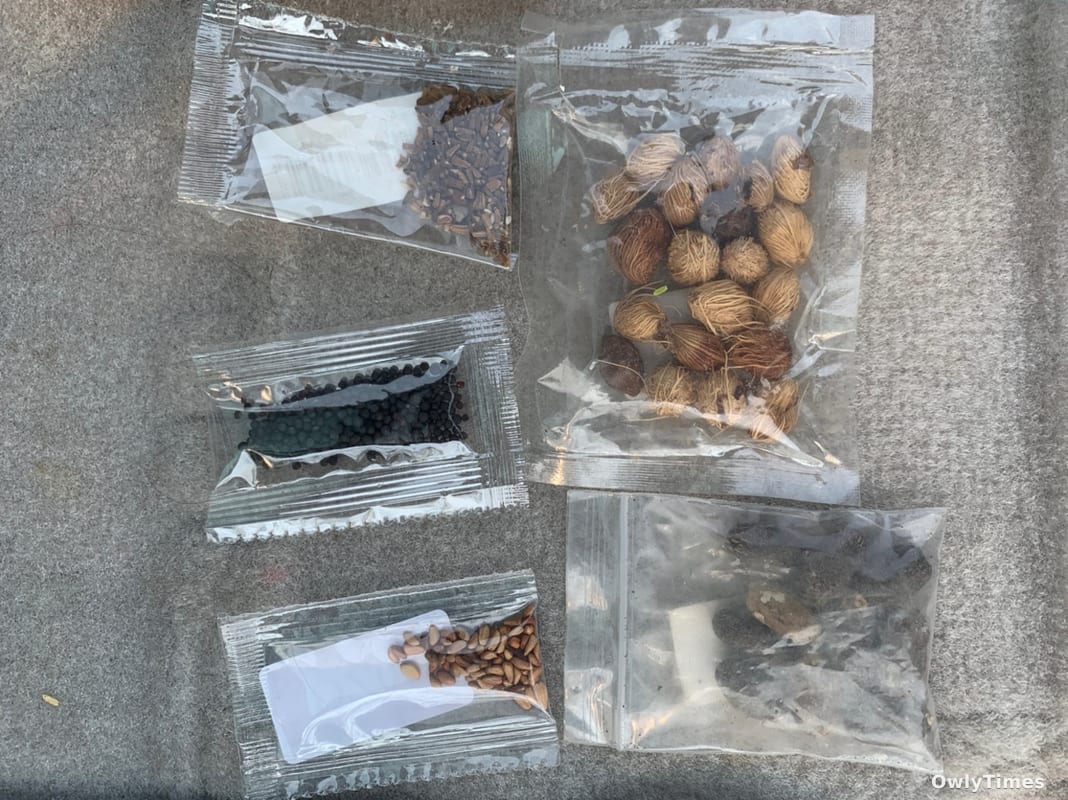

1,101. That’s the number of unsolicited seed packages intercepted by the Texas Department of Agriculture since February 2025, a figure that quietly underscores a growing biosecurity risk and a potential vulnerability in U.S. supply chains. While initially dismissed as a nuisance or a byproduct of “brushing” scams – where sellers inflate reviews by sending unsolicited goods – the resurgence of these packages, originating from China, demands a closer look at the economic and agricultural implications. This isn’t simply about unwanted mail; it’s about the potential for ecological and financial disruption, and the escalating cost of monitoring and mitigating these threats.
The Pattern of Resurgence and Geographic Spread
The current wave isn’t an isolated incident. Unsolicited seed packages first appeared in 2020, prompting a brief flurry of investigation before largely fading from public attention. However, the Texas Department of Agriculture began noticing a significant uptick in reports starting in February 2025, with the problem intensifying into 2026. The discovery of a package in Clute, Texas, earlier this month – containing seeds and an unidentified liquid – elevated the concern beyond simple seed contamination. The packages have been reported across a wide geographic area, including Ohio and New Mexico, suggesting a deliberate, widespread distribution rather than localized anomalies. This contrasts sharply with typical agricultural smuggling patterns, which tend to focus on high-value crops or livestock, not low-cost seeds.
Quantifying the Agricultural Risk
Sid Miller, Texas Agriculture Commissioner, rightly frames the issue as “serious business.” The potential introduction of invasive plant species represents a tangible threat to the $2.3 trillion U.S. agricultural sector. Consider the economic impact of the Emerald Ash Borer, an invasive beetle that has cost municipalities over $12 billion in tree removal and replacement since its arrival in 2002. While the seeds themselves may not represent an immediate catastrophic threat, the sheer volume – 1,101 packages from over 100 locations in Texas alone – increases the probability of a successful introduction of a harmful species. The USDA estimates that invasive species cost the U.S. economy approximately $40 billion annually; even a fractional increase due to undetected seed introductions could have significant consequences. The cost of eradication, should an invasive species take hold, dwarfs the cost of prevention.
This piece references the pennlive.com report.
Beyond Brushing: Tracing the Economic Motives
The initial theory that these packages are solely the result of “brushing” scams doesn’t fully explain the scale and persistence of the problem. While some businesses may utilize this tactic to manipulate online reviews, the logistical complexity and potential legal ramifications of international seed shipments suggest a more deliberate motive. Follow the money: the cost of shipping thousands of seed packets internationally, even at low rates, is substantial. This points to a potential attempt to circumvent U.S. phytosanitary regulations – the rules governing the import of plant material – potentially allowing the introduction of genetically modified or prohibited seeds. The USDA’s Anti-Smuggling Hotline (800-877-3835) and email address ([email protected]) are currently the primary avenues for tracking and analyzing these shipments, but the agency’s resources are finite.
What This Means for Your Wallet
The immediate impact on consumers is minimal – simply reporting and discarding the packages. However, the long-term consequences could manifest in higher food prices. If invasive species disrupt agricultural production, yields will decline, and costs will increase. Furthermore, the increased burden on the USDA to monitor and respond to these threats will require additional funding, ultimately borne by taxpayers. The more pressing concern for agricultural businesses is the potential for regulatory tightening. Expect increased scrutiny of seed imports and potentially stricter phytosanitary requirements, which could raise costs for legitimate seed suppliers. The key question now is whether this is a targeted attempt to exploit vulnerabilities in U.S. agricultural defenses, or a more widespread, albeit poorly executed, attempt at economic disruption. Investors in agricultural technology and biosecurity firms should watch for increased USDA funding and contract opportunities in the coming months.