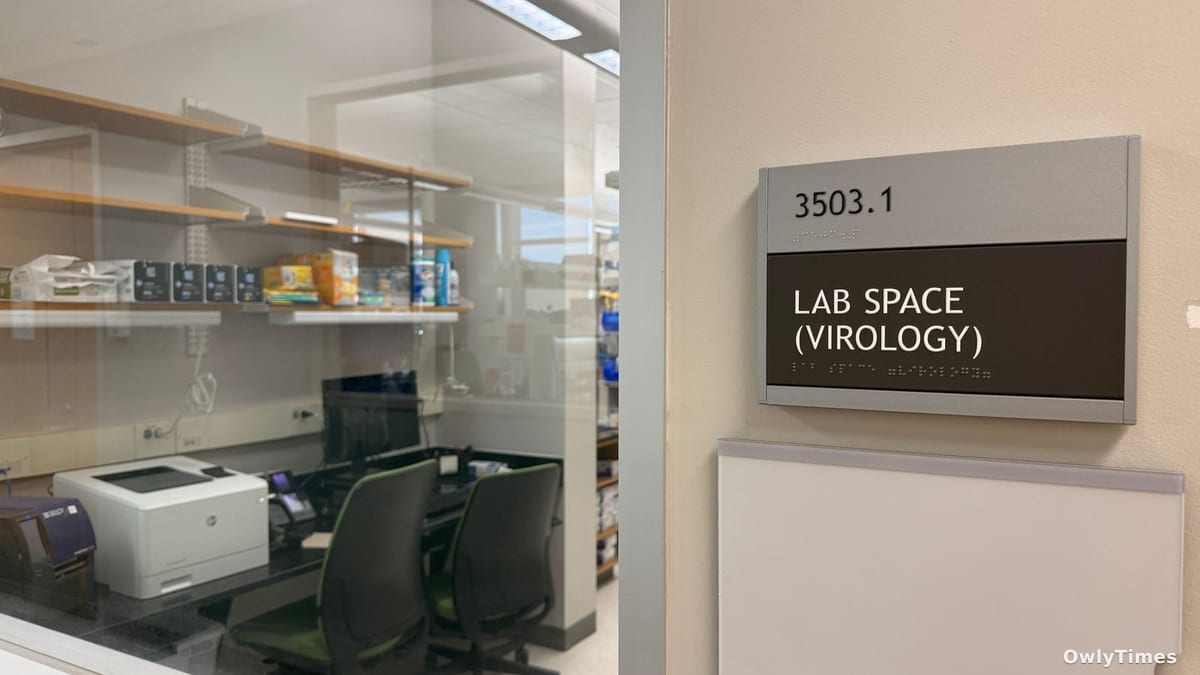

The resurgence of measles across the United States isn’t simply a matter of rising case numbers; it’s a stark illustration of the often-invisible infrastructure protecting public health, and how quickly that protection can be tested. While headlines focus on the 23 cases reported in North Carolina since December 2025, the critical, time-sensitive work happening within the State Laboratory of Public Health in Raleigh reveals a more nuanced story – one of rapid diagnostics, logistical preparedness, and a constant effort to stay ahead of a highly contagious virus. The current outbreak isn’t just about individual infections; it’s a challenge to the nation’s decades-long success in maintaining measles elimination, and the lab in Raleigh is on the front lines of that defense.
The State Laboratory of Public Health isn’t a household name, yet it’s where many of North Carolina’s earliest and highest-risk measles cases are initially confirmed. This isn’t a passive role. As Dr. Scott Shone, the Laboratory Director, explained to WRAL News, the lab’s rapid turnaround time is directly linked to the effectiveness of public health interventions. When a provider suspects measles, they consult with epidemiology experts who assign a risk score to each case. High-risk cases are immediately sent to the Raleigh lab, where technicians work against the clock to provide definitive answers. This speed is crucial because unvaccinated individuals exposed to the virus have a narrow window – 72 hours for vaccination, six days for antibody treatment – to potentially prevent illness.
Source material: wral.com.
The process within the lab itself is a carefully orchestrated ballet of biosafety and molecular biology. Technicians, working within specialized biosafety cabinets, analyze respiratory swabs and even urine samples – a testing method validated by the lab in the previous year – to isolate and identify the measles virus’s genetic material using PCR technology. The lab’s design emphasizes containment, with separate rooms, strict airflow controls, and unidirectional movement to prevent contamination. This isn’t simply about identifying if measles is present, but about doing so with speed and accuracy, allowing public health officials to implement targeted responses. The lab’s capacity to process dozens of samples simultaneously, aided by “bio robots” capable of analyzing 96 samples at once, is a direct response to the virus’s high contagiousness and the potential for rapid spread.
What’s often lost in public discussion is the scale of preparation required to handle a potential surge in cases. Dr. Shone emphasized that scaling up isn’t just about acquiring more equipment – though new renovations are underway to support that – it’s about cross-training staff. The molecular virology team at the lab routinely responds to a range of viral threats, from influenza to COVID-19. Recognizing the potential for burnout, the lab is proactively expanding the number of personnel trained in measles-specific testing, ensuring a sustainable response capacity. This proactive approach reflects a lesson learned from the COVID-19 pandemic: preparation is far easier during “peacetime” than during a full-blown crisis.
Beyond initial confirmation, the lab’s work extends to national surveillance efforts. Positive samples are sent to the Centers for Disease Control and Prevention (CDC) in Atlanta for genetic sequencing. This sequencing isn’t merely an academic exercise; it’s a critical tool for tracking the virus’s spread and identifying potential outbreaks. By comparing genetic signatures, health officials can determine whether cases are linked, indicating a localized outbreak, or represent new introductions of the virus from elsewhere. This information directly informs public health strategies, guiding vaccination campaigns and targeted interventions. Maintaining the U.S.’s measles elimination status – a designation held since 2000 – hinges on this continuous monitoring and rapid response. Each new case, as Dr. Shone points out, puts that status at risk.
It’s important to note the limitations of this system. The lab’s capacity, while significant, isn’t infinite. A truly massive outbreak could overwhelm resources, leading to delays in testing and potentially hindering the effectiveness of interventions. Furthermore, the speed of the response relies heavily on healthcare providers’ vigilance in suspecting measles and promptly submitting samples for testing. Public awareness and willingness to vaccinate remain paramount. While the MMR vaccine provides 97% lifetime protection with two doses, according to the CDC, vaccine hesitancy continues to be a significant factor driving outbreaks. The current situation in North Carolina, and across the country, underscores the fragility of herd immunity and the importance of maintaining high vaccination rates.
Looking ahead, the next crucial research steps involve refining diagnostic tools and expanding genomic surveillance. Researchers are exploring new, more rapid diagnostic tests that could further reduce turnaround times. Simultaneously, enhanced genomic surveillance will be essential for tracking the evolution of the measles virus and identifying potential vaccine escape variants. But perhaps the most important question to watch for isn’t within the lab, but in communities: will vaccination rates increase in response to the current outbreak, or will we continue to see a slow erosion of the protective immunity that has kept measles at bay for over two decades? The answer will determine whether the State Laboratory of Public Health is preparing for a contained response, or bracing for a much larger battle.





