
The recent alerts from the Cook County Department of Public Health regarding potential measles exposures aren’t simply a return of a “childhood disease,” but a stark reminder of how quickly vulnerabilities in population immunity can re-emerge in a highly interconnected world. While headlines focus on specific locations – O’Hare Airport Terminal 5, Fresh Farms and Marshalls in Niles, and the Endeavor Health Immediate Care Center in Mt. Prospect – the underlying story is about the delicate balance between vaccination rates and the persistent threat of a disease once considered largely eradicated in the United States. This isn’t a localized outbreak waiting to happen; it’s a signal that the protective shield around our communities is showing weaknesses, and understanding how those weaknesses form is crucial.
Understanding the Chain of Exposure
The exposures reported between March 24th and 27th highlight the insidious nature of measles. The Cook County Department of Public Health specifically identified a period at O’Hare’s Terminal 5 from 10:45 a.m. to 2:30 p.m. on March 24th, followed by visits to the Niles stores around 9:00 p.m. and 9:30 p.m. on March 26th, and finally the Mt. Prospect immediate care center on March 27th. What’s particularly concerning is the airborne transmission – the virus can remain infectious in the air for up to two hours. This means even brief, seemingly inconsequential contact within those locations during the specified times could potentially lead to infection. The department’s estimate that 90% of those closely exposed – defined as within a brief 15-minute window – could become infected underscores the disease’s remarkable contagiousness. This isn’t a theoretical risk; it’s a probabilistic one, and the higher the number of susceptible individuals in a given area, the greater the likelihood of wider transmission.
Measles: Beyond the Rash
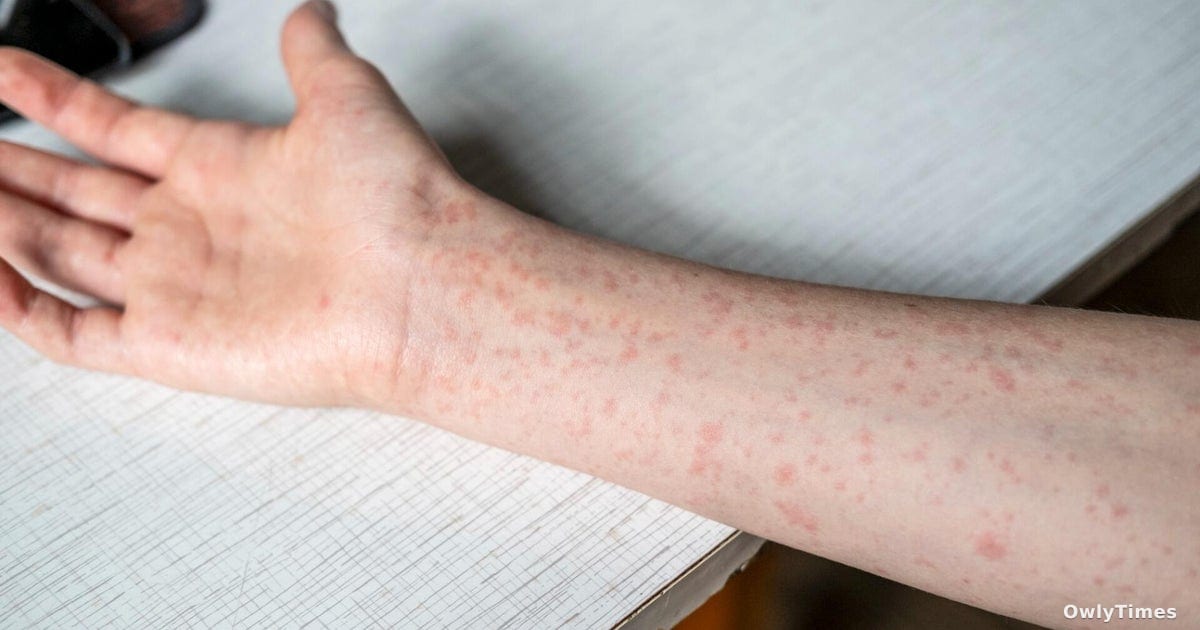
The public often remembers measles as a fever and a rash, but the Cook County Department of Public Health’s warning rightly emphasizes its potential severity. Symptoms – rash, high fever, cough, runny nose, and red, watery eyes – typically appear within 21 days of exposure, creating a period of anxiety for anyone who may have been in the affected locations. However, the real danger lies in the complications. Measles can lead to pneumonia, seizures, and even permanent hearing loss. More tragically, it can cause life-long brain damage and, in rare but devastating cases, death. These aren’t simply “side effects”; they are direct consequences of the virus’s impact on the body, and they disproportionately affect young children and individuals with compromised immune systems. The fact that these severe outcomes are preventable through vaccination is what makes the current situation particularly frustrating.
Drawn from CBS News.
The Power – and Limits – of Vaccination
The Cook County Department of Public Health is correct in stating that vaccination remains the most effective defense against measles. Two doses of the measles-mumps-rubella (MMR) vaccine provide 97% protection, a remarkably high efficacy rate. However, this figure represents population-level protection, and it’s contingent on achieving high vaccination coverage. The current concern isn’t necessarily about vaccine failure in individuals who have been vaccinated, but about the increasing number of people who remain unvaccinated or under-vaccinated, creating pockets of susceptibility. While the department offers vaccination clinics and encourages registration at Getvaxchi.chicago.gov, access isn’t the sole barrier. Vaccine hesitancy, fueled by misinformation and distrust, continues to be a significant challenge.
Limitations to Consider
It’s important to acknowledge the limitations of the current information. The alerts are based on a single confirmed exposure, and the full extent of the spread is still unknown. Contact tracing efforts are underway, but identifying and notifying all potentially exposed individuals is a complex undertaking, particularly in a busy transportation hub like O’Hare Airport. Furthermore, the 21-day incubation period means we are likely to see additional cases emerge in the coming weeks, even with swift public health interventions. The reported 90% infection rate among close contacts is also an estimate, and the actual rate may vary depending on factors such as ventilation, population density, and individual immune status.
Looking ahead, the focus must shift beyond simply responding to this specific exposure. Public health officials need to proactively address the root causes of declining vaccination rates, combat misinformation, and ensure equitable access to vaccines for all communities. The question isn’t if another measles exposure will occur, but when – and whether we will be better prepared to protect our communities when it does. We should be watching for trends in MMR vaccination rates across different demographics and geographic areas, and assessing the effectiveness of current public health messaging in addressing vaccine hesitancy. The resurgence of measles isn’t just a public health issue; it’s a test of our collective commitment to scientific literacy and community well-being.