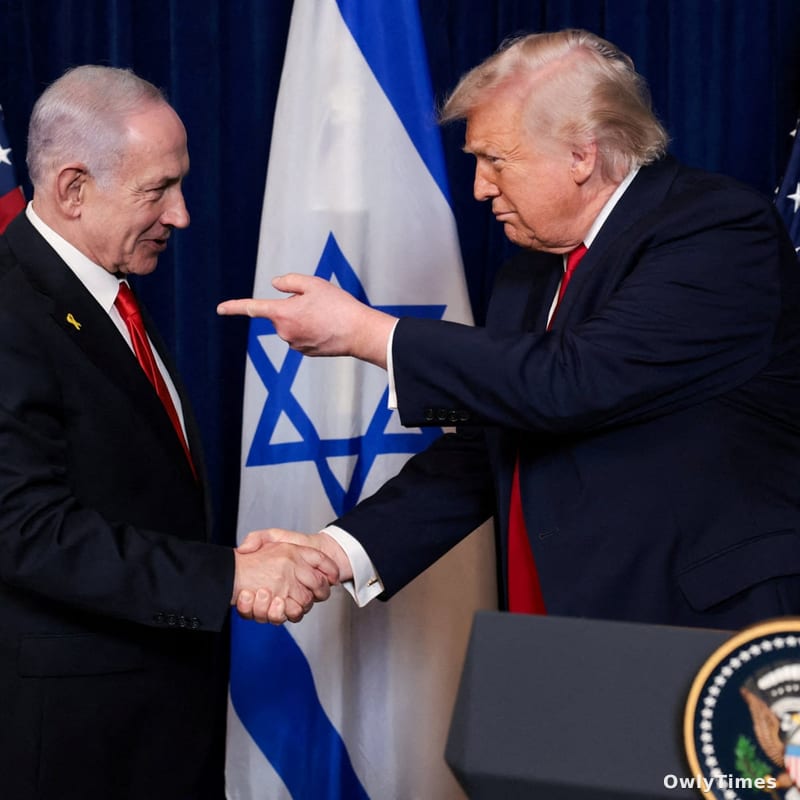

The calculus behind the recent escalation with Iran wasn’t about Iranian nuclear capability – it was about leveraging a departing administration for a final, decisive strike, and securing a long-term shift in the regional power dynamic. Benjamin Netanyahu’s December 2023 visit to Donald Trump’s Mar-a-Lago wasn’t a courtesy call; it was a strategic negotiation, offering both an ego boost – the Israel Prize – and a promise: a diminished reliance on US military aid if Iran could be neutralized. This wasn’t simply about Israel’s security; it was about reshaping the terms of its dependence, and potentially, solidifying a legacy for both leaders.
The initial conflict, beginning February 28th, was presented as a limited operation, with Israeli officials briefing Haaretz that the Iranian threat would be “tapered off” within days. This assessment, as it turned out, was profoundly optimistic, mirroring a pattern established since the October 7th Hamas attack: Netanyahu consistently promises swift victories that fail to materialize. The broader context is crucial. The war in Iran isn’t a standalone event, but the latest iteration in a series of expanding conflicts across Gaza, Lebanon, and Yemen, all framed by Israel as defensive measures, yet consistently pushing the boundaries of regional stability. Who benefits and who loses from this narrative? Israel, ostensibly, gains a window to address perceived existential threats. The US, under Trump, saw an opportunity for decisive action and a potential geopolitical win. But the wider region, and increasingly, the global economy, are bearing the costs.
The appeal to Trump’s ego was a calculated move, echoing a well-worn tactic of appealing to the former president’s transactional nature. According to reports, Netanyahu even suggested the conflict could allow Trump to exact revenge for alleged Iranian plots against his life. This framing, however, obscured a deeper strategic objective: a “decapitation” strategy aimed at regime change in Iran. The Mossad assessment painted a picture of a vulnerable regime, weakened by internal protests, ripe for toppling with a “short campaign.” This assessment proved demonstrably false. Despite the killing of Supreme Leader Ali Khamenei and other senior officials, the regime has consolidated around the Islamic Revolutionary Guards Corps, not dissolved. The initial stockpiling of missile interceptors, anticipating a three-week war, underscores the degree to which Israeli military planners underestimated Iranian resilience and the potential for escalation.
This article draws on reporting from The Guardian.
The current situation bears a striking resemblance to historical precedents. Consider the lead-up to the 2003 invasion of Iraq, where intelligence was similarly manipulated to justify a preemptive strike based on flawed assumptions about the ease of regime change and the welcoming of US forces. In both cases, a powerful leader, convinced of his own strategic acumen, pursued a course of action with potentially catastrophic consequences, fueled by a desire for legacy and a disregard for dissenting voices. The testy exchange between US Vice President JD Vance and Netanyahu, as reported by Axios, suggests a growing awareness within the Biden administration that they were sold a bill of goods. The quote from a US source – “Bibi really sold it to the president as being easy” – is damning, revealing a deliberate attempt to downplay the risks and overstate the potential benefits.
The ramifications extend far beyond the immediate conflict zone. The closure of the Strait of Hormuz is already sending shockwaves through the global economy, and the conflict has strained US weapon inventories, diverting resources from Ukraine. Furthermore, it risks undermining NATO and potentially emboldening adversaries like China, Russia, and North Korea. The Abraham Accords, the Trump-mediated detente between Israel and Gulf states, are now threatened, as Arab nations may blame Israel for dragging them into a wider conflict. Even within the US, support for Israel is waning, particularly among Democrats and young voters, as evidenced by recent Gallup polls showing increased sympathy for Palestinians for the first time since 2001. This shift in public opinion could have profound implications for future US policy towards the region, potentially ending Israel’s unique status as a beneficiary of unrestricted US military assistance, as suggested by Rahm Emanuel.
The political chess move to watch next isn’t on the battlefield, but in Washington. Will the Biden administration, facing mounting domestic and international pressure, attempt to distance itself from Netanyahu’s strategy and impose stricter conditions on future military aid? The answer to that question will determine not only the future of US-Israel relations, but also the trajectory of the conflict itself. The current trajectory suggests a prolonged and increasingly destabilizing situation, a far cry from the “easy war” promised by Netanyahu.





