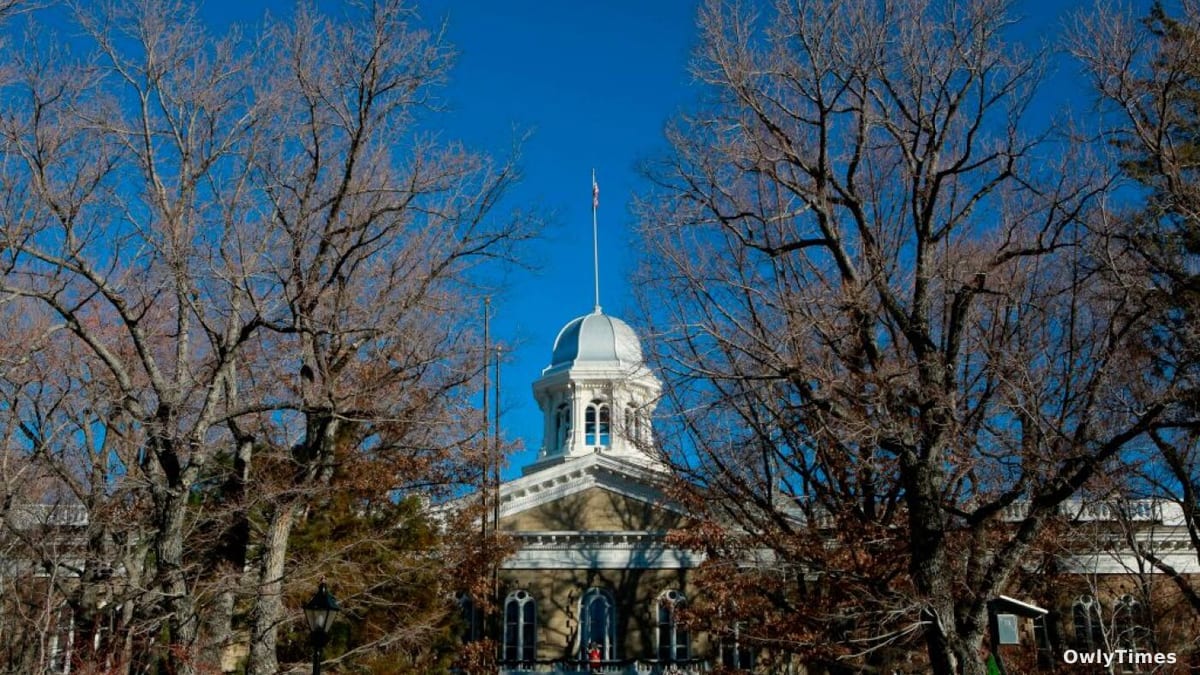

The image of protestors gathered at the Nevada State Capitol on January 17, 2021, a scene mirrored across the country in the days following the 2020 presidential election, serves as a stark reminder of the political volatility that often overshadows even the most pragmatic policy efforts. While national attention was focused on contesting election results, Nevada quietly began laying the groundwork for a new approach to healthcare access: the “Battle Born State Plan,” a public option designed to lower insurance costs. Now, with initial enrollment numbers in and federal subsidies waning, the question isn’t simply whether these state-level interventions can work, but whether they can meaningfully offset the impact of a shifting national landscape – and whether the very concept of a public option is being undermined by forces beyond state control.
More than 10,000 Nevadans have signed up for these plans, launched last fall, but this falls short of the state’s projected 35,000. This discrepancy isn’t a failure of the idea itself, but a symptom of a larger problem: the expiration of enhanced Affordable Care Act (ACA) tax credits. These credits, which averaged $465 per month for nearly 95,000 Nevadans last year, provided substantial relief, and their loss is poised to drive up costs for millions nationwide. The Congressional Budget Office estimates roughly four million Americans will lose coverage as a result, with another three million projected to lose coverage due to other policy changes. The promise of a 15% premium reduction offered by the Battle Born plans, as mandated by Nevada law, feels increasingly modest in the face of potentially doubling premiums for those previously receiving substantial subsidies. Keith Mueller, director of the Rural Policy Research Institute, succinctly captures this reality: “That’s not a lot of money.”
The current wave of state-led public option initiatives – Nevada joins Washington and Colorado – represents a recalibration of strategy. The ambitious, government-run public option debated in the late 2000s proved politically unfeasible. These current iterations are public-private partnerships, aiming to leverage market competition to drive down costs. Washington state, the first to launch in 2021, and Colorado, following in 2023, have both encountered hurdles. Early challenges included limited participation from healthcare providers and insurers struggling to meet promised rate reductions. Washington’s experience demonstrates the importance of legislative leverage; requiring hospitals to contract with at least one public option plan by 2023 significantly boosted enrollment, reaching 30% of the state marketplace in 2024. However, Colorado’s experience reveals a more nuanced outcome: while the Colorado Option increased affordability for those receiving subsidies, it became more expensive for those who didn’t qualify.
Based on the original NPR report.
The situation in Nevada is further complicated by resistance from within the insurance industry. Carriers are attempting to meet the 15% premium reduction requirement by cutting broker fees and commissions, prompting backlash and a subsequent commitment from Nevada marketplace officials to provide flat-fee reimbursements to brokers. This illustrates a fundamental tension: a public option, by definition, disrupts the existing insurance market, and those with a vested interest in the status quo are likely to push back. Legal challenges, such as the lawsuit brought by a state senator and a tax advocacy group questioning the constitutionality of the law, further demonstrate the political fragility of these initiatives. While dismissed by a state judge, the case has been appealed to the Nevada Supreme Court, adding another layer of uncertainty.
Federal policy changes, particularly those enacted through Republicans’ One Big Beautiful Bill Act signed by President Donald Trump last summer, are exacerbating these challenges. Increased documentation requirements, shortened enrollment windows, and the elimination of automatic reenrollment are all designed to make accessing coverage more difficult. Justin Giovannelli, an associate research professor at the Center on Health Insurance Reforms at Georgetown University, argues these changes will disproportionately impact vulnerable populations, potentially leading to an estimated 100,000 Nevadans losing coverage. The interplay between state-level innovation and federal policy reversals highlights a critical dynamic: states can attempt to mitigate the effects of federal changes, but they cannot fully insulate their residents from them.
Looking ahead, the success of Nevada’s public option – and those in other states – will depend not only on enrollment numbers but also on the ability to address these systemic challenges. The next research steps must focus on understanding the long-term impact of these plans on provider networks, quality of care, and overall healthcare costs. Crucially, researchers need to disentangle the effects of the public option from the broader context of federal policy changes and economic fluctuations. Will states continue to pursue these strategies in the face of federal headwinds? And, more importantly, will consumers facing increasingly complex and expensive healthcare options be able to navigate the system and access the coverage they need? The answer to that question will determine whether the promise of affordable healthcare remains a viable goal, or becomes another casualty of political division.





