
The current flurry of displays of physical prowess and carefully curated “everyman” moments from figures within the Trump administration isn’t about fitness; it’s a calculated re-establishment of dominance, leveraging a specific archetype of American masculinity to project strength – both literal and political. While seemingly superficial, the bench presses, beer chugs, and sauna selfies represent a deliberate strategy to bypass traditional media scrutiny and connect directly with a base responsive to displays of unapologetic, often performative, virility. This isn’t a spontaneous trend, but a continuation of the administration’s established playbook of utilizing social media to control narrative and cultivate an image detached from policy specifics.
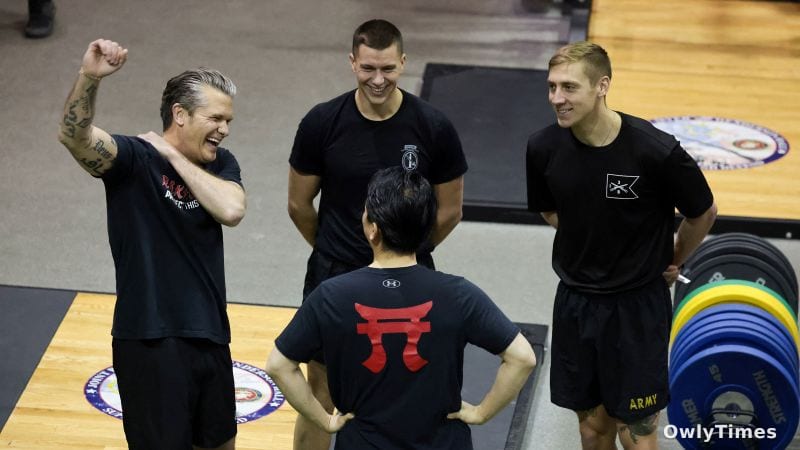
The spectacle began gaining momentum with FBI Director Kash Patel’s post-gold medal celebration with the US men’s hockey team, complete with a government jet trip and a celebratory beer. This wasn’t simply a show of support for the athletes; it was a demonstration of access and a signaling of shared values. The optics – a high-ranking law enforcement official indulging in a traditionally “masculine” celebration – are key. This is further amplified by Pentagon chief Pete Hegseth’s relentless posting of workout videos, culminating in a 315-pound bench press. Hegseth’s past struggles with sobriety, publicly acknowledged during confirmation hearings, add a layer of narrative redemption to his current displays of strength. Who benefits? Primarily, those seeking to project an image of decisive leadership and unwavering physical capability. Who loses? Potentially, the perception of professionalism and impartiality within these agencies, as personal branding increasingly overshadows institutional authority.
Reporting from CNN informs this analysis.
This isn’t a new tactic in American politics, but the intensity and coordinated nature of these displays are noteworthy. Consider Theodore Roosevelt’s deliberate cultivation of the “strenuous life” persona at the turn of the 20th century. Roosevelt understood the power of projecting physical vigor as a symbol of national strength and moral character. Similarly, John F. Kennedy’s carefully constructed image of youthful athleticism served to contrast him with his perceived older and weaker opponent, Richard Nixon. The current administration is simply updating this playbook for the social media age, recognizing that a viral workout video can be as effective as a carefully crafted policy speech. The difference lies in the directness of the appeal – less about policy and more about shared identity.
Health and Human Services Secretary Robert F. Kennedy Jr.’s activities represent a particularly fascinating case study. His workout videos with Kid Rock, complete with shirtless exercises and hot tub conversations, are a deliberate attempt to rebrand himself beyond his controversial past and associations. Kennedy’s openness about his history with substance abuse – “I used to snort cocaine off of toilet seats” – is presented not as a liability, but as evidence of a personal transformation, further bolstered by his collaboration with Mike Tyson on a weight loss PSA. This strategy relies on a specific understanding of his audience, one that values authenticity, even if that authenticity is rooted in a past marked by excess. The calculated risk here is significant; aligning with figures like Tyson, who has a history of serious criminal allegations, could alienate more moderate voters.
The dynamic surrounding the invitation to the US hockey teams for the State of the Union address further illuminates the underlying political calculus. President Trump’s initial eagerness to invite the men’s team, coupled with his almost dismissive afterthought regarding the women’s team, reveals a prioritization of a specific brand of masculine achievement. His subsequent acknowledgement of the potential political fallout – “or else, I would probably be impeached” – underscores the precariousness of navigating gender dynamics in the current political climate. The women’s team’s polite decline of the invitation, citing prior commitments, is a subtle but pointed rejection of the administration’s framing. This incident isn’t about hockey; it’s about power, recognition, and the ongoing struggle for equitable representation.
The imposition of new fitness standards at the FBI, spearheaded by Director Patel, including requiring female agents to perform a pull-up, is the logical extension of this broader strategy. It’s not simply about improving agent fitness; it’s about redefining the criteria for competence and implicitly reinforcing a masculine ideal of law enforcement. This echoes historical trends of militarizing police forces and emphasizing physical strength as a measure of authority. The question now is whether this performative masculinity will translate into tangible policy gains or ultimately serve as a distraction from more substantive issues. Will the administration continue to double down on this strategy, or will they pivot as the political landscape shifts? The next move to watch is how these figures respond to any criticism of these displays – will they lean into the controversy, or attempt to recalibrate their messaging?





