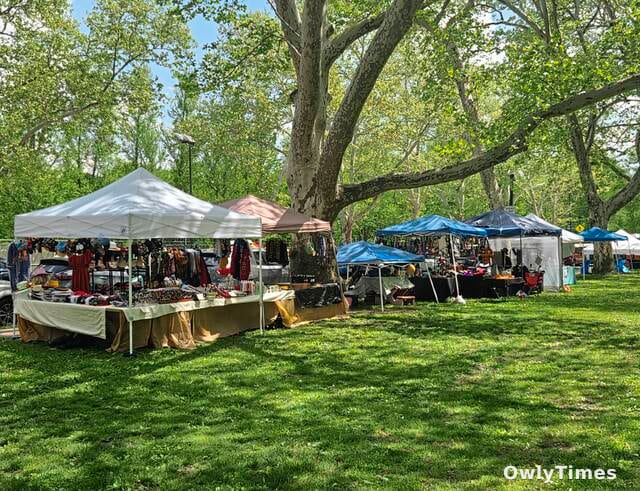

300 to 400 people. That is the total attendance recorded on the opening day of the Draft Bash, an event producer William “B” Marshall launched to capture a sliver of the economic windfall generated by the NFL Draft. When compared against the city’s projection of 700,000 visitors for the Draft’s debut, the turnout for Marshall’s market represents roughly 0.05% of the total expected crowd. For the 40 minority business owners stationed in the southwest corner of Allegheny Commons Park West, these numbers are not just statistics; they are the result of a logistical displacement that forced them away from the high-traffic corridors of Liberty Avenue and Market Square.
Follow the money, and the path for these local vendors becomes clear. Marshall, who applied for permits in October, intended to set up his market in the heart of Downtown Pittsburgh, where the primary Draft foot traffic was concentrated. However, the city’s decision to implement permit blackouts in those areas forced a last-minute relocation agreement. By the time the event received its final health department clearance just days before opening, the scale of the operation had been slashed by more than half, downsizing from a planned 100 vendors to just 40.
The economic friction here is palpable. Marshall noted that between Downtown Pittsburgh and the North Shore, there are over 150 brick-and-mortar businesses, yet not one is Black-owned. This structural gap serves as the catalyst for the Draft Bash, which was designed to provide a commercial outlet for minority entrepreneurs who were otherwise excluded from the NFL’s massive temporary economy. For vendors like Keisha Bryant, a 47-year-old Duquesne entrepreneur who operates Keke’s Lemonade, the inability to access the primary event footprint meant relying on a trickle of diverted interest rather than the planned deluge of fans.
The human cost of this logistical divide is expressed in the shifting plans of those who have spent years navigating the city's permitting landscape. Marlon Gist, a 54-year-old artist from Aliquippa, described the current location as "out the way," noting that the lack of density makes the financial goals of his business untenable. Having previously owned the Heart and Soul Cafe and Studio on Penn Avenue for three years, Gist cited a lack of structural support and limited access to the city’s most lucrative consumer events as his primary motivation for planning a move to Atlanta.
The tension between event promoters and municipal leadership is not new. Marshall has a history of legal friction with the city, including a lawsuit filed against the city and former Mayor Ed Gainey over allegations that the administration withheld funding and intentionally delayed permitting for previous festivals. While Marshall stated that the city has been more supportive regarding his upcoming Juneteenth and Soul Food festivals, the "grueling" path to securing the Draft Bash permit highlights a persistent hurdle for independent organizers.
For the investors and business owners watching this space, the takeaway is clear: the ability to capture value from major commercial events depends entirely on proximity to the central hub of activity. While the Draft Bash serves as a case study in resilience for the participating vendors, the current data shows that unless municipal permitting aligns with the needs of local entrepreneurs, the "Draft windfall" remains largely inaccessible to those outside the primary corporate circle. The next reading of the event’s final attendance figures for the full three-day weekend will indicate whether the pivot to the North Side could sustain these businesses, or if the market’s diminished footprint leaves them struggling to clear their overhead.





