
$120 Million Signals Artist-Centric Shift in Live Entertainment
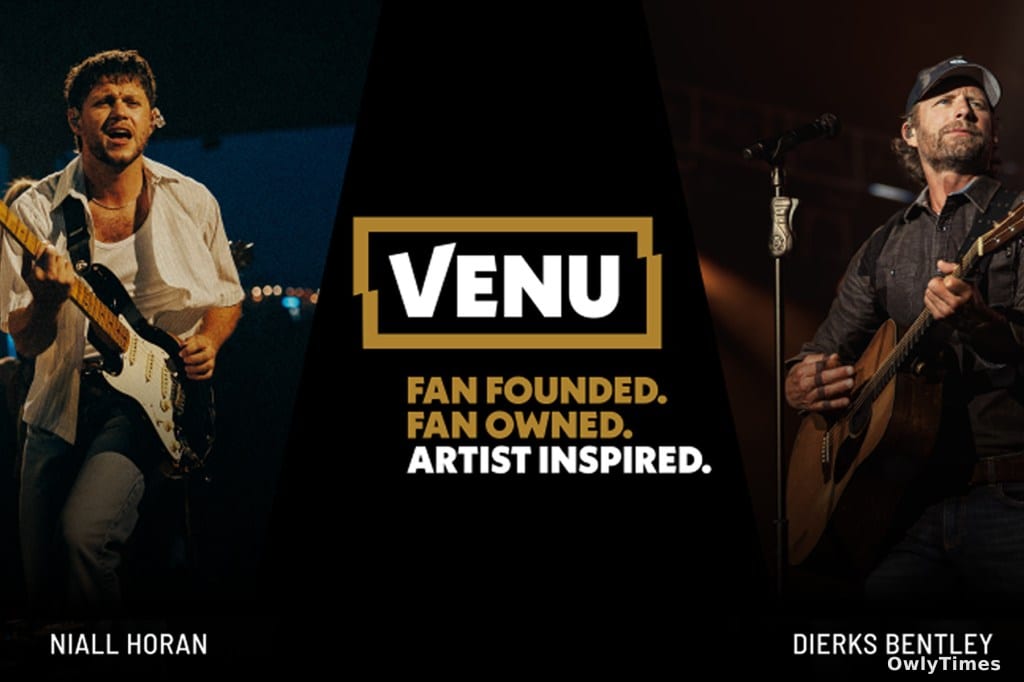
A combined $120 million in market capitalization added to VENU Holding Corporation following the announcement of Niall Horan and Dierks Bentley as shareholders isn’t simply a bump in stock price; it’s a quantifiable endorsement of a radical idea: artists should have a direct stake – and a direct say – in the venues where they perform. The move, announced February 23, 2026, represents a significant departure from the traditional promoter-venue dynamic and signals a potential reshaping of the $104 billion US live entertainment market. While artist investments in tangential businesses like beverage brands or merchandise are common, direct ownership in venue infrastructure is a comparatively rare phenomenon, and the market is reacting accordingly.
VENU, which went public in 2024 and currently trades on the NYSE American, is betting that aligning financial incentives with artistic vision will unlock a new level of fan experience. This isn’t about artists simply lending their names to a project; Horan and Bentley will serve on the company’s advisory council, actively influencing programming, architecture, and the overall ambiance of VENU’s expanding portfolio of entertainment campuses in Colorado, Georgia, Oklahoma, and Texas. This advisory role is key. Traditional venue development prioritizes maximizing capacity and operational efficiency, often at the expense of acoustics, sightlines, and the overall emotional connection between artist and audience. VENU’s model flips that script, positioning artists as the primary stakeholders in creating spaces that enhance performance and deepen engagement.
Drawn from billboard.com.
The financial implications extend beyond the initial investment. VENU’s stock price has seen a 15% increase since the announcement, adding approximately $80 million to its market cap, while analysts estimate Horan and Bentley’s individual investments to be in the $30 million range each. This influx of capital will accelerate VENU’s development pipeline, with planned campuses designed to prioritize artist input from the ground up. The company’s strategy is a direct response to a growing frustration within the music industry: artists often feel disconnected from the venues where they perform, lacking control over elements that directly impact their ability to connect with fans. Zach Belcher, a key figure at VENU, succinctly captured this sentiment: “Music’s always been about connection. It brings people together no matter who they are or where they’re from. Joining VENU as a shareholder and advisory council member is a chance to help strengthen that bond, push the boundaries, and create something amazing for both artists and fans.”
Horan’s involvement is particularly noteworthy given his diversified portfolio of entrepreneurial ventures, including sports agency Modest! Golf Management and investments through Greenbridge Ventures in companies like TGL’s Boston Common Golf and Whoop. His track record demonstrates a consistent pattern of identifying and investing in platforms that empower creators. Bentley, with over two decades of experience headlining arena tours, brings a seasoned perspective on the practical realities of live performance. As J.W. Roth, Founder, Chairman & Chief Executive Officer of VENU, stated, “Dierks represents everything we’re building toward: authenticity, excellence and an unwavering commitment to the fan experience.” This isn’t simply about attracting star power; it’s about leveraging lived experience to build better venues.
However, the success of this model isn’t guaranteed. VENU faces the challenge of balancing artist preferences with the financial realities of venue operation. Will prioritizing artistic vision lead to lower capacity or increased construction costs? Can VENU maintain profitability while adhering to its artist-centric principles? Furthermore, the company’s reliance on a relatively small number of high-profile artist investors creates a potential concentration risk. If either Horan or Bentley were to divest, it could negatively impact investor confidence. The current market enthusiasm suggests investors believe VENU can navigate these challenges, but sustained success will require demonstrating a clear return on investment alongside its commitment to artistic empowerment.
What this means for your wallet: Keep an eye on ticket prices at VENU venues. If the artist-centric design translates into a demonstrably better fan experience, consumers may be willing to pay a premium. The key question is whether VENU can deliver on that promise – and whether other venue operators will follow suit, potentially driving up costs across the board. Watch for whether VENU’s model prompts a broader industry shift towards artist equity in venues, and if so, how that impacts the overall cost of live entertainment.