
The chipped Formica of Bayside Bowl’s bar gleamed under the neon glow of a Tuesday night league game, a familiar Portland scene. But the chatter wasn’t just about strikes and spares; it was about a battle brewing over the city’s musical soul. A seemingly technical debate over a 750-foot buffer zone between music venues has become a proxy war, pitting local artists and advocates against the behemoth that is Live Nation, and revealing a deeper anxiety about who gets to define Portland’s cultural identity. This isn’t just about one concert hall; it’s about the future of a city fiercely proud of its independent music scene.
A 750-Foot Line in the Sand
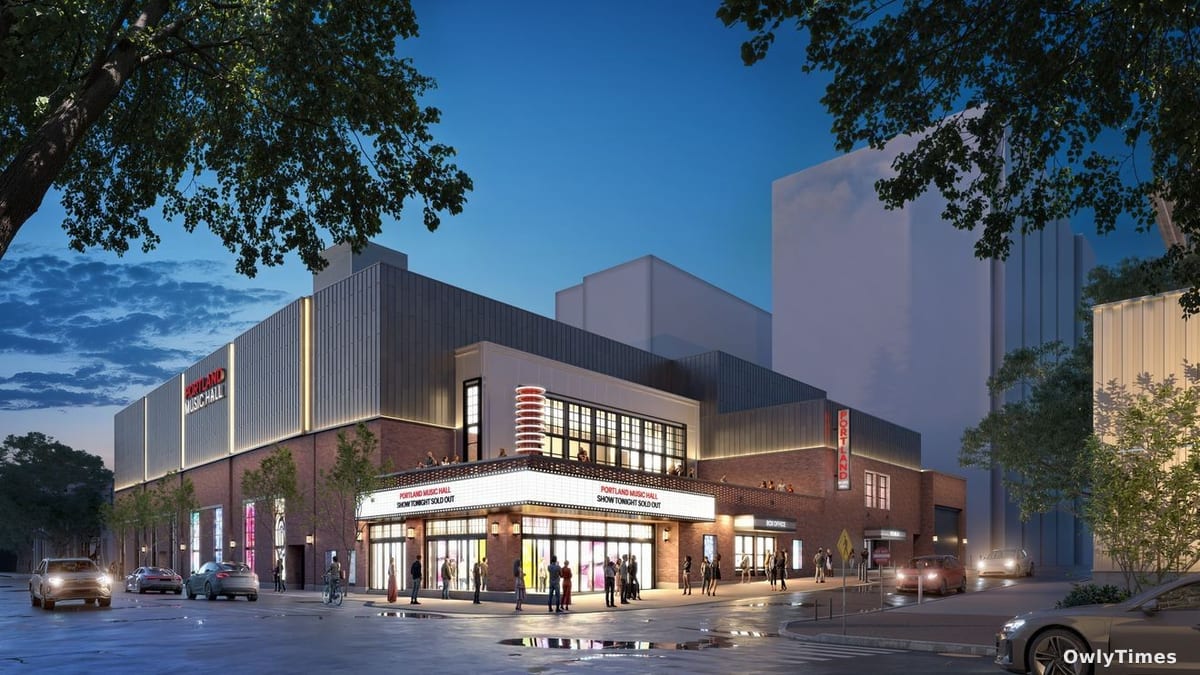
At the heart of the conflict is Live Nation’s proposal to build a 3,000+ seat venue downtown, practically in the shadow of the historic Merrill Auditorium. The Portland Planning Board recently rejected a proposed buffer that would have effectively blocked the project, sending the decision to the City Council for a final vote on April 27th. While framed as a zoning issue, the buffer represents something far more significant: a desperate attempt to protect a carefully cultivated ecosystem from corporate takeover. Doug Kolmar, a local musician, summed up the sentiment succinctly: “I would be in favor of anything that kind of delays that or defeats it.” He’s not alone.
The opposition isn’t simply NIMBYism. It’s fueled by a growing national narrative surrounding Live Nation, which also owns Ticketmaster. The Department of Justice has already scrutinized the company for anti-competitive practices, specifically allegations of blocking competition and inflating ticket prices – a 2022 New York Times investigation detailed how the company systematically drives up costs for consumers. This history casts a long shadow over the Portland proposal, with Scott Moeller, Executive Director of the Maine Music Alliance, calling Live Nation “just generally being a bad actor within the music industry.” The Alliance has been instrumental in organizing opposition, framing the fight as a defense of Portland’s unique character. They argue that a massive, corporate-owned venue will inevitably siphon audiences and resources away from the smaller clubs and independent artists that define the city’s musical landscape.
Reporting from wgme.com informs this analysis.
Beyond Ticket Prices: The Erosion of Local Culture
The concern extends beyond the financial implications for artists. Portland’s music scene isn’t just an economic engine; it’s a vital part of the city’s identity. The city has deliberately fostered a thriving independent scene, attracting creative residents and tourists alike. The fear is that Live Nation’s presence will homogenize the offerings, prioritizing mainstream acts over local talent and turning Portland into just another stop on a national tour circuit. This echoes a broader trend across the country, where independent venues are struggling to compete with the financial muscle of large corporations. In 2023, the National Independent Venue Association (NIVA) reported a 15% increase in venue closures compared to the previous year, a stark warning about the fragility of these cultural hubs.
Portland Mayor Mark Dion, however, seems confident the project will move forward, stating, “I think the opponents have blocked every single path to try and block construction.” This suggests a belief that economic development trumps cultural preservation, a tension that’s becoming increasingly common in rapidly growing cities. City officials like Kevin Kraft, Portland’s Director for Urban and City Development, attempt to allay concerns about infrastructure, insisting there’s “adequate capacity for parking” downtown. But this feels like a deflection from the core issue: the potential for Live Nation to fundamentally alter the character of Portland’s entertainment landscape.
What Happens When the Music Stops Being Local?
The silence from Live Nation itself is telling. Despite repeated requests for comment from WGME, the company has remained conspicuously quiet, a tactic that only fuels the suspicions of those who believe they are attempting to steamroll the local opposition. This isn’t simply about one venue; it’s about a larger power dynamic. The question isn’t just whether Live Nation can build in Portland, but whether Portland wants to allow a company with a documented history of prioritizing profit over artistic diversity to shape its cultural future.
As the City Council prepares to vote, Portland faces a critical juncture. Will it prioritize short-term economic gains, or will it defend the independent spirit that has made it a haven for artists and music lovers? The outcome will send a powerful message, not just to Live Nation, but to cities across the country grappling with the same dilemma: how to balance economic development with the preservation of local culture. The April 27th vote isn’t just about a buffer zone; it’s about defining what kind of city Portland aspires to be. Will it be a city that welcomes corporate giants with open arms, or one that fiercely protects the independent voices that give it its soul?