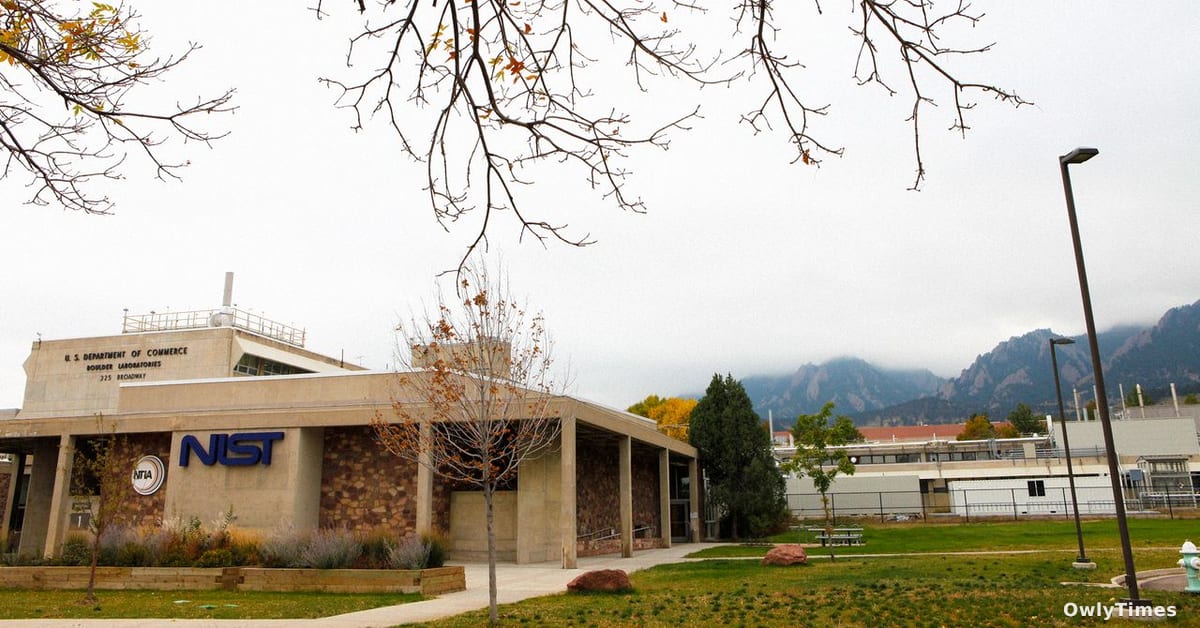

The Erosion of Open Science: NIST Restrictions and the Future of US Innovation
The question of how to safeguard national security while maintaining a vibrant scientific enterprise is rarely straightforward. Currently, that tension is playing out within the walls of the National Institute of Standards and Technology (NIST), a seemingly unassuming agency whose work underpins everything from the cybersecurity protocols protecting our data to the standards governing the semiconductors powering our devices. Recent reports, and a sharply worded letter from Congress, suggest NIST is implementing restrictions on non-US scientists that go far beyond reasonable security measures, potentially jeopardizing the agency’s credibility and, more broadly, America’s position as a global leader in scientific innovation. This isn’t simply about bureaucratic overreach; it’s about a fundamental shift in how the US views its relationship with the international scientific community, and the potential consequences are profound.
This piece references the WIRED report.
The immediate concern stems from reports first surfacing in the Boulder Reporting Lab on February 12th, detailing limitations on the tenure of international graduate students and postdoctoral researchers at NIST – capping their time at three years, despite many projects requiring five to seven years for completion. This has been compounded by reports in the Colorado Sun indicating restricted lab access for “noncitizens” and the potential for a complete ban. While Jennifer Huergo, a NIST spokesperson, frames these changes as necessary to protect US science from theft and abuse, the lack of transparency surrounding their implementation is fueling alarm. It’s crucial to understand that the stated goal – protecting intellectual property – is not new. Congress has consistently scrutinized NIST’s security protocols, and concerns about foreign adversaries are bipartisan. However, the current approach, as outlined in a letter from Zoe Lofgren, the top Democrat on the House Committee on Science, Space, and Technology, and April McClain Delaney, appears to exceed “what is reasonable and appropriate.” Lofgren’s letter, sent to acting NIST director Craig Burkhardt, doesn’t dispute the need for security, but rather the scale and opacity of the proposed changes.
What’s being reported in headlines – “NIST cracks down on foreign scientists” – doesn’t fully capture the nuance of the situation. The issue isn’t simply about restricting access; it’s about disrupting established research pipelines and creating an environment of uncertainty. A NIST employee, speaking anonymously to WIRED, revealed that plans to onboard foreign workers through the agency’s Professional Research and Experience Program have been canceled due to the ambiguity surrounding the new protocols. This isn’t a proactive measure to prevent espionage; it’s a reactive paralysis stemming from a lack of clear guidance. Consider that NIST typically welcomes approximately 800 researchers annually from outside the US, representing a significant portion of its workforce and a vital source of specialized expertise. To arbitrarily curtail this influx, without a clearly defined and justifiable rationale, risks crippling ongoing projects and hindering future innovation.
The timing of these changes also warrants scrutiny. NIST, like many federal agencies, has been operating under significant budgetary pressure, resulting in hundreds of job losses over the past year. These cuts, coupled with the new restrictions, create a double burden, potentially driving away both domestic and international talent. This isn’t happening in a vacuum. The previous administration’s policies – increased H-1B visa fees, student visa revocations, and aggressive deportation measures – already signaled a less welcoming environment for international researchers. As Pat Gallagher, former NIST director, points out, the agency’s strength lies in its scientific credibility and its ability to foster collaboration. Eroding trust, both within the US and internationally, undermines this foundation. Gallagher emphasizes that NIST has historically been a neutral ground, relied upon by industry, universities, and the global measurement community.
Limitations to Consider
It’s important to acknowledge that assessing the full impact of these changes is currently hampered by a lack of concrete information. NIST has been notably reticent in providing details, and much of the reporting relies on anonymous sources. While these sources are credible, their limited access to the full picture necessitates a cautious interpretation of the available evidence. Furthermore, the definition of “noncitizen” remains unclear – does it apply to green card holders, temporary visa holders, or all individuals without US citizenship? The scope of the restrictions will significantly influence their overall effect. Finally, it’s possible that NIST is responding to specific, credible threats that haven’t been publicly disclosed. However, the absence of transparency raises legitimate concerns about due process and the potential for discriminatory practices.
Looking ahead, the next few weeks are critical. Congress has requested a response from NIST by February 26th, demanding transparency and a pause on the implementation of these policies. The agency’s response will be telling. Will they provide a detailed justification for the changes, outlining the specific threats they are addressing and the safeguards in place to protect legitimate research? Or will they continue to operate in secrecy, fueling further speculation and eroding trust? Beyond this immediate deadline, the broader question remains: how can the US strike a balance between protecting its national security interests and maintaining its position as a global hub for scientific innovation? The answer likely lies in a more nuanced approach – one that prioritizes robust vetting procedures, strengthens counterintelligence efforts, and fosters a culture of open collaboration, rather than resorting to blanket restrictions that punish legitimate researchers and stifle scientific progress. Watch for whether NIST begins to actively engage with the international scientific community to rebuild trust, or if the agency doubles down on restrictive policies, potentially signaling a long-term shift away from open science.