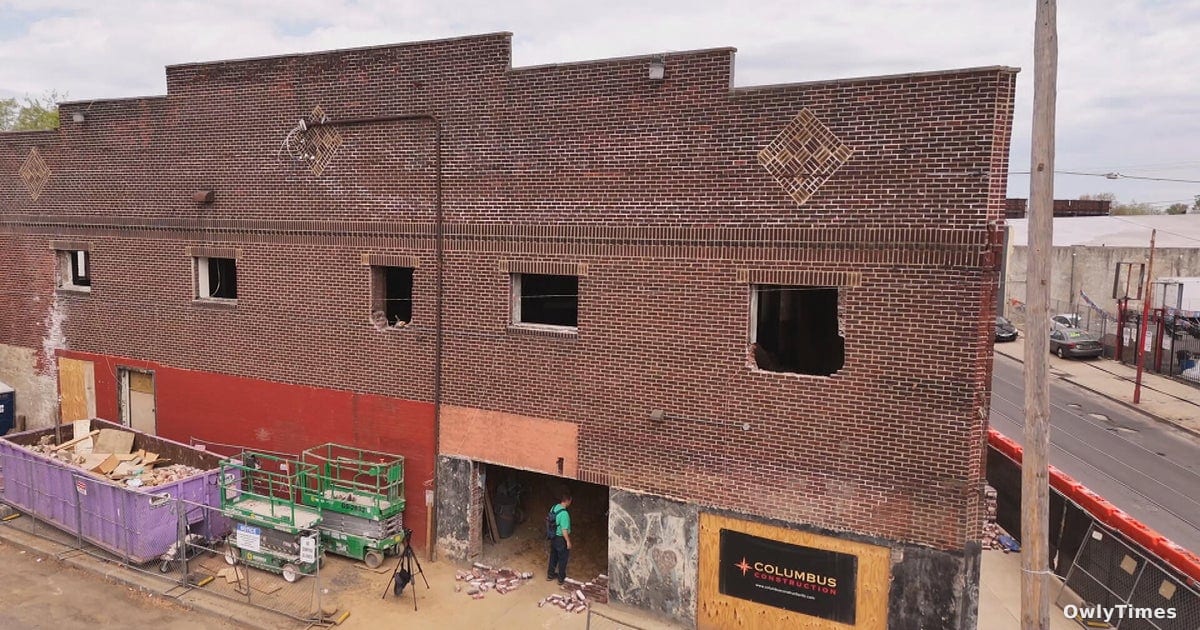

How do we effectively bridge the gap between emergency medical infrastructure and the routine, preventative care that keeps a community thriving? In many urban landscapes, the proximity of a major hospital often masks a deeper deficit in primary health access, leaving residents to rely on emergency services for conditions that should be managed in a neighborhood clinic. A new development in North Philadelphia, announced on April 24, 2026, attempts to answer this by repurposing a defunct landmark to serve as a hub for comprehensive care.
Repurposing Community Infrastructure
The project involves the transformation of the former Carman Gardens Skate Rink into the Carman Gardens Health Center. Brian Clark, representing Greater Philadelphia Health Action, confirmed the facility will encompass 22,000 square feet of medical space designed to serve the population between Hunting Park and East Tioga. This scale of development is significant for the area, as it shifts the focus from sporadic, crisis-driven medical interventions to a model of consistent, long-term health management.
While the facility will offer a broad spectrum of services—ranging from primary care and dental work to specialized fields like endocrinology, rheumatology, and infectious disease—the true test of this model lies in its accessibility. The center’s operational policy dictates that it will accept all forms of coverage, including commercial insurance, Medicare, and Medicaid, while also providing care for the uninsured. This inclusive approach directly addresses the socioeconomic barriers that often prevent residents from seeking early intervention.
The Hospital Proximity Paradox
A central tension in urban health planning is the assumption that proximity to a large hospital equates to adequate healthcare access. Despite the new health center being located only blocks from Temple Hospital, local stakeholders argue that a dedicated community hub is essential to offload pressure from emergency departments. Josh Klaris of North10 Philadelphia notes that the goal is to shift patient behavior away from using emergency rooms for routine checkups.
The rationale here is rooted in clinical efficiency; by diverting non-emergent cases to a specialized community hub, the system theoretically reduces the strain on acute care centers while improving patient outcomes through continuous monitoring. Clayton Pickens, a block captain with five decades of residency in North Philadelphia, characterizes the project as a potential "game-changer" for those facing economic and health challenges. The efficacy of this model will ultimately depend on whether the local population adopts these services for routine preventative care rather than waiting for acute symptoms to manifest.
Limitations to Consider
While the enthusiasm surrounding the project is palpable, it is important to temper expectations regarding its immediate impact on public health metrics. Providing the facility is only the first step; the success of the center will depend on community engagement and the ability to build trust with a population that may have historically faced systemic barriers to care. Additionally, the project is currently in the development phase, with the opening not slated until 2027.
As we look toward the scheduled opening in 2027, the next metric to watch will be the center’s patient registration rates during its inaugural months. These initial numbers will serve as the primary indicator of whether the community transition from hospital-based emergency care to localized, preventative health management is taking hold. Monitoring the volume of uninsured patients served compared to those on public or private insurance will also reveal whether the model is successfully reaching the most vulnerable members of the Hunting Park and East Tioga neighborhoods.