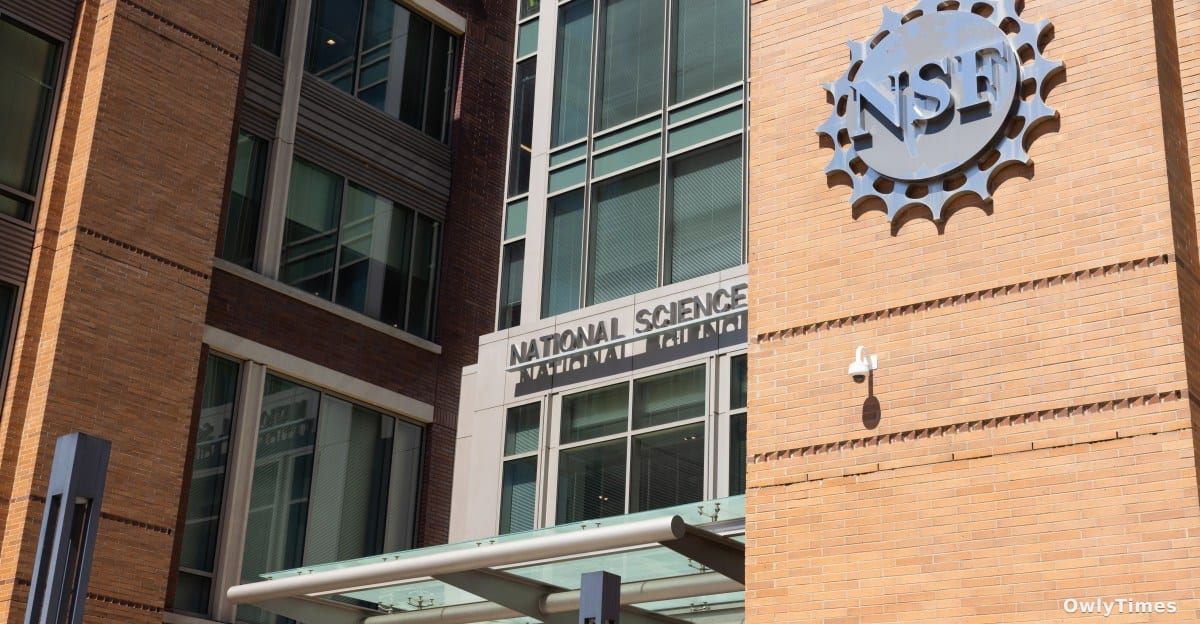

When the institutional architecture that governs American scientific inquiry is dismantled, the immediate concern is not merely the loss of personnel, but the degradation of the mechanism that ensures research remains insulated from partisan volatility. The Trump administration’s reported dismissal of the entire National Science Board (NSB) represents a fundamental shift in how the federal government interacts with the National Science Foundation (NSF). By removing the very body tasked with providing non-partisan oversight and long-term strategic guidance to the foundation, the administration has effectively severed a critical link between independent scientific expertise and executive policy.
The Role of the NSB in Sustaining Innovation
The NSB functions as the primary advisory body to both the president and Congress, holding a statutory responsibility to determine the policy direction of the NSF. This foundation is not a minor federal agency; it is the engine behind foundational technologies that permeate modern life, including the underlying science of MRIs and the connectivity of cellphones. It has even played a role in the emergence of educational platforms like Duolingo. When the NSB is stripped of its authority, the NSF loses its primary safeguard against arbitrary shifts in funding priorities, leaving the direction of American scientific investment increasingly susceptible to the political whims of the moment.
Distinguishing Policy from Process
It is important to clarify what the reported dismissal means versus how it is being framed in public discourse. While news headlines focus on the abruptness of the removal, the scientific community is grappling with the methodology of the change. The NSB is meant to be an apolitical entity, yet this mass dismissal fundamentally politicizes a role that historically functioned as a technical, rather than ideological, advisor. Critics, including Zoe Lofgren, the ranking Democrat on the House Science, Space, and Technology Committee, argue that the move suggests a desire to replace independent oversight with individuals who may lack the professional distance required to challenge executive directives. Lofgren’s assessment, that the move risks handing scientific leadership to adversaries, reflects the anxiety of those who view the board as a necessary check on the executive branch’s influence over the research ecosystem.
Limitations to Consider in the Research Landscape
The timing of this administrative overhaul is particularly precarious, as the NSF has already been navigating a period of significant instability. Research funding is currently being distributed at historically low levels, and investigators across the country are facing substantial delays in receiving the financial support necessary to maintain their laboratories. Whether the board is replaced by temporary appointees or left vacant, the administrative void will likely exacerbate these existing bottlenecks. The loss of the NSB’s institutional memory means that the standard processes for reviewing and approving large-scale grants could face further procedural inertia, potentially stalling projects that have been in the pipeline for months.
Monitoring the Stability of Foundation Funding
The scientific community must now look toward the next reading of the NSF’s funding disbursement metrics to determine the extent of this disruption. If the administrative turnover leads to a sustained freeze in new project approvals, the impact on long-term American innovation will be measurable through the decline in grant cycle velocity and the attrition of early-career researchers who depend on consistent federal support. The stability of the NSF’s operations in the coming months will serve as the primary indicator of whether the mission of the foundation remains focused on technological advancement or if it is being redirected to serve the political requirements of the current administration.





