
The Strategic Calculus of New York’s Redistricting Battle
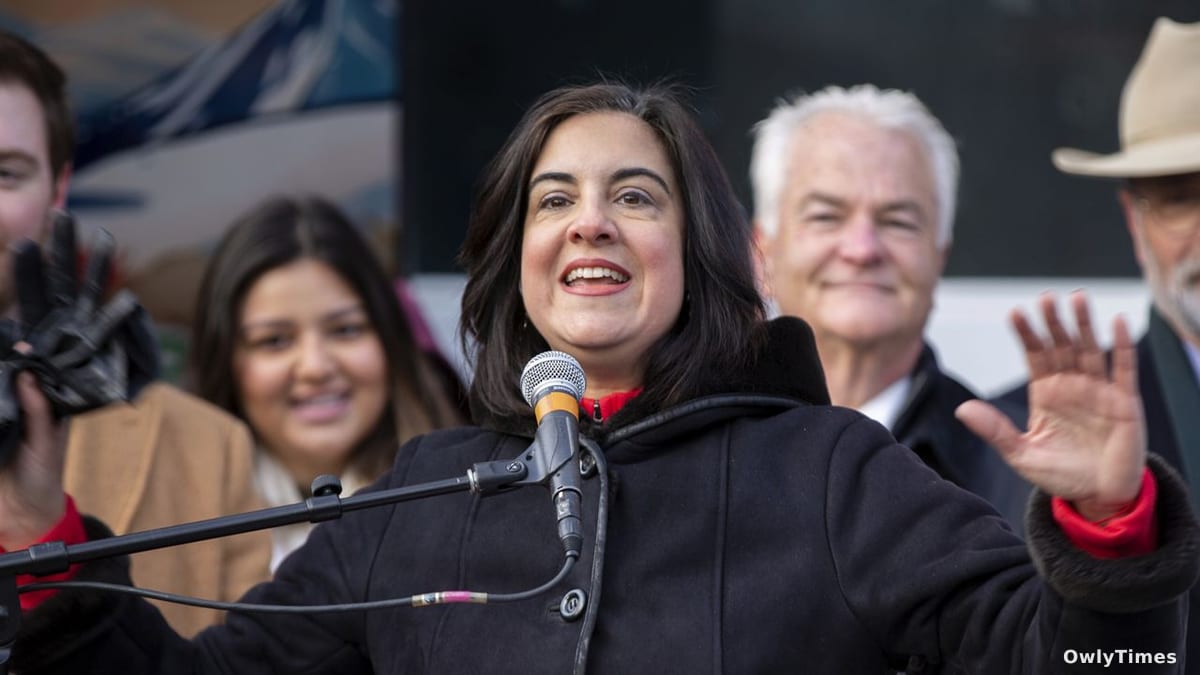
The unanimous decision by New York’s appellate court to allow the state’s independent redistricting commission to redraw the 11th Congressional District isn’t about maps and lines; it’s about power consolidation and a calculated risk by New York Democrats to regain a foothold in a rapidly shifting political landscape. While framed as a correction to a flawed initial map, the move represents a direct attempt to unseat Nicole Malliotakis, a Republican representing Staten Island and parts of Brooklyn, and potentially flip a reliably red district to blue. This isn’t a novel tactic – partisan redistricting has been a feature of American politics for centuries – but the speed and determination with which Democrats are pursuing this case, escalating it directly to the Supreme Court, signals a heightened sense of urgency.
Who Stands to Gain and Lose in the Remapping
The immediate beneficiary of the court’s decision is the New York Democratic Party. The proposed redrawing merges Staten Island, a conservative stronghold, with Lower Manhattan, a heavily Democratic area. This creates a district with a significantly altered demographic profile, potentially transforming Malliotakis’ safe seat into a competitive toss-up. Governor Kathy Hochul’s statement emphasizing “fair representation” masks the clear political objective: maximizing Democratic gains in a state where the party controls the governorship and both chambers of the legislature. Conversely, Malliotakis and the national Republican Party stand to lose significantly. A flipped 11th District would narrow the Republican majority in the House, impacting the balance of power on key legislative issues. The financial implications are also substantial; defending a newly competitive district will require significant fundraising, diverting resources from other races.
Original reporting: ny1.com.
Echoes of Past Redistricting Wars
This battle over New York’s 11th District isn’t unfolding in a vacuum. It echoes the contentious redistricting cycles of the early 2000s, particularly the Texas redistricting battles orchestrated by Tom DeLay, then House Majority Leader. Like the current situation, those efforts involved aggressive map-drawing aimed at maximizing partisan advantage, ultimately leading to legal challenges and accusations of gerrymandering. However, the current case differs in one crucial aspect: the explicit invocation of racial considerations. Malliotakis and the Republican appeal to the Supreme Court hinges on the argument that the redrawn map constitutes “race-based redistricting,” a practice repeatedly struck down by the Court as unconstitutional. This framing is a strategic attempt to tap into a legal precedent established in Shaw v. Reno (1993) and subsequent cases, which have limited the use of race as a primary factor in drawing electoral boundaries.
The Supreme Court’s Role and the Shadow of Rucho v. Common Cause
The escalation to the Supreme Court is the most critical development. Justice Sonia Sotomayor’s order for a swift response from Democrats underscores the gravity of the situation. However, the Court’s track record on redistricting is complex. While consistently ruling against overt racial gerrymandering, the Court has largely avoided intervening in cases of partisan gerrymandering, citing a lack of judicially manageable standards. The 2019 case Rucho v. Common Cause effectively punted the issue of partisan gerrymandering back to the states, leaving the door open for the kind of aggressive map-drawing currently underway in New York. The key question now is whether the Court will view the New York case as a matter of racial gerrymandering – a clear violation of constitutional principles – or simply as another instance of partisan maneuvering. The outcome will likely depend on how Democrats frame their justification for the map changes and whether Republicans can successfully demonstrate that race was a predominant factor in the redrawing process.
The Next Chess Move: Will Democrats Push for a Broader Remap?
The immediate focus is on the 11th District, but the Democrats’ success here could embolden them to pursue further redrawing of other congressional districts in New York. The state’s current map, drawn by the independent commission in 2022, was already seen as favorable to Republicans. A broader remap could potentially flip additional seats, significantly altering New York’s representation in Congress. The question to watch isn’t simply whether the Supreme Court will uphold the redrawing of the 11th District, but whether a victory for Democrats in this case will trigger a cascade of further challenges to the existing map, leading to a full-scale redistricting war across the state.





