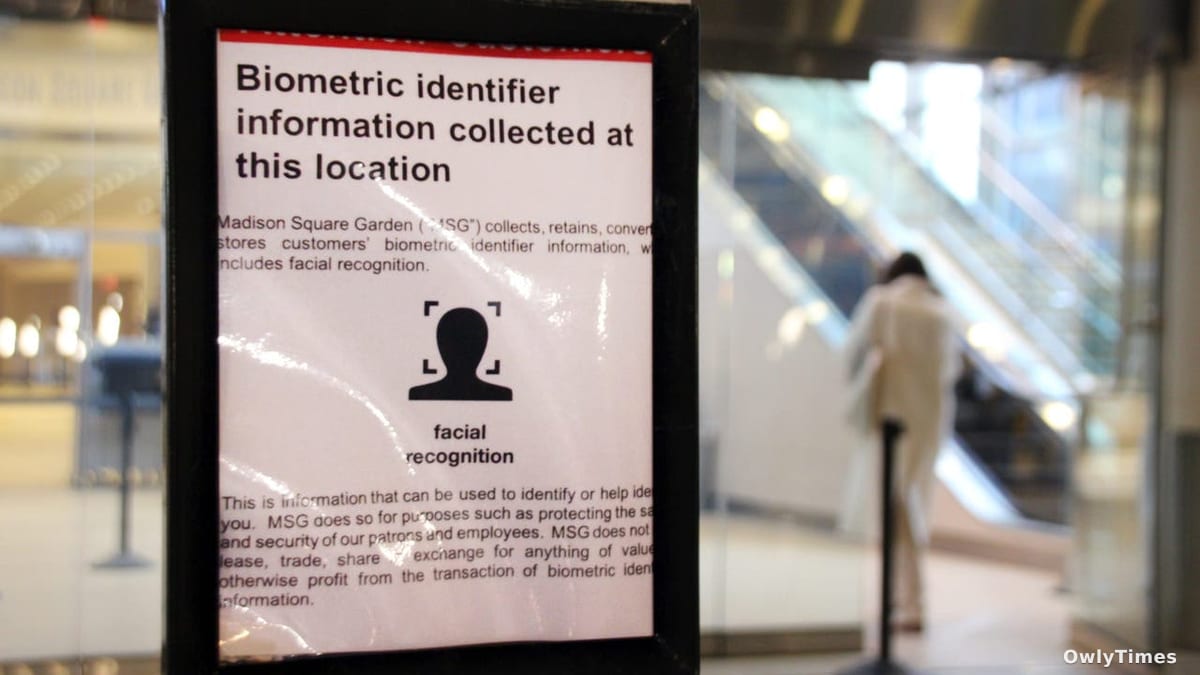

Is your apartment building judging your takeout orders? Because in New York City, that’s increasingly a legitimate question. The New York City Council’s recent hearing on two bills aiming to ban facial recognition technology isn’t about futuristic dystopias – it’s about the creeping surveillance already happening in your daily life, and who gets to decide what’s “convenient” versus what’s a violation of privacy. The real story here isn’t about stopping robots; it’s about re-establishing who controls the data generated by our faces, and whether we even have a right to anonymity in public spaces anymore.
Beyond Security Cameras: The Quiet Expansion of Facial Recognition
For years, we’ve accepted security cameras as a necessary evil. But the cameras of today aren’t just recording – they’re analyzing. Facial recognition isn’t simply flagging someone matching a wanted poster; it’s building profiles, tracking movements, and potentially making judgments about who you are based on algorithms prone to bias. Councilmember Shahana Hanif’s proposed law, which would outlaw the use of biometric recognition technology to identify or verify customers in public places, directly confronts this shift. It’s a blunt instrument, yes, but the speed at which this technology is being deployed demands a similarly swift response. Consider the implications: a coffee shop using facial recognition to offer “personalized” discounts, a retailer tracking your browsing time in front of displays, or even a concert venue identifying attendees based on social media profiles. These aren’t hypothetical scenarios; they’re actively being tested and implemented.
Based on the original fox5ny.com report.
The Landlord’s Eye: A New Frontier of Control
Perhaps even more unsettling is Councilmember Pierina Ana Sanchez’s bill targeting landlords. While the stated goal is to prevent the identification of tenants and guests, the potential for abuse is enormous. Imagine a building management company using facial recognition to monitor who enters and exits, tracking visitors, and potentially even influencing lease renewals based on perceived “undesirable” activity. This isn’t about security; it’s about control. The argument that landlords need this technology to ensure safety rings hollow when weighed against the chilling effect it would have on tenant privacy and freedom of association. A 2025 study by the Tenant Rights Coalition found that 68% of renters expressed concern about biometric data collection in their buildings, even if framed as a security measure. That’s not a demographic easily dismissed as “tech-averse.”
The Rally and the Resistance: Why This Matters Now
The rally held outside City Hall before the hearing wasn’t just a gathering of privacy advocates; it was a demonstration of growing public awareness. For too long, the debate around facial recognition has been framed as a technical issue, best left to engineers and policymakers. But the people showing up at City Hall understand that this is fundamentally a political issue. It’s about power dynamics, about who gets to watch whom, and about the kind of society we want to build. The fact that these bills are even being considered is a testament to the organizing efforts of groups like the Surveillance Technology Oversight Project (STOP) and the New York Civil Liberties Union, who have consistently highlighted the dangers of unchecked biometric surveillance.
The Illusion of Consent and the Cost of Convenience
The tech industry’s response to these concerns has been predictable: assurances of “responsible use” and the promise of “opt-in” systems. But the illusion of consent is a powerful one. How many people truly understand the implications of agreeing to have their biometric data collected? And even for those who do, the pressure to participate – to access a service, enter a building, or simply avoid being ostracized – can be immense. The cost of convenience, in this case, is the erosion of our fundamental right to privacy. The New York City Council is facing a critical decision. They could choose to side with the tech industry, prioritizing innovation and efficiency over individual rights. Or they could send a clear message that our faces are not commodities to be bought and sold, and that anonymity is not a relic of the past.
Here’s what to watch for: if these bills pass, expect a wave of lawsuits from companies claiming economic hardship. But more importantly, pay attention to whether other cities follow suit. The next 18 months will determine whether New York City becomes a leader in protecting biometric privacy, or a cautionary tale of surveillance creep. The question isn’t if facial recognition will change our lives, but how – and whether we’ll even recognize the world it creates.