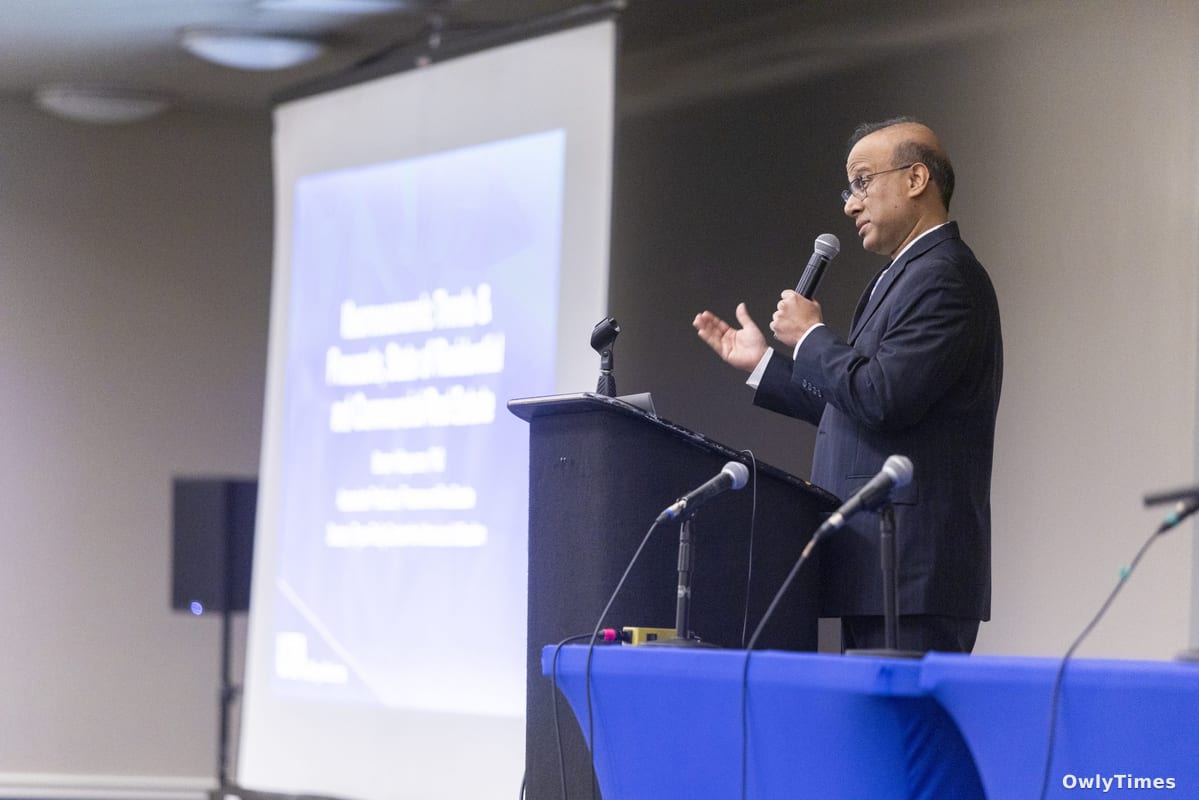

$200 million in oil and gas asset sales, a potential shift in Federal Reserve policy, and escalating geopolitical risk have converged to rewrite the economic script for North Texas, and the ripple effects are poised to impact everything from mortgage rates to car loans. While Sriram Villupuram, associate professor of finance and real estate at the University of Texas at Arlington, was preparing for the March 3 Real Estate Symposium, a seemingly contained narrative of cooling inflation and anticipated interest rate cuts was upended by the conflict in Iran – a stark reminder that economic forecasts are only as reliable as the assumptions they’re built upon.
The Inflation Equation Rewritten
Villupuram’s initial assessment, noted in his symposium preparation, was that inflation was “finally under control.” This assessment hinged on stable energy prices. However, the recent escalation in geopolitical tensions immediately challenged that premise. “Inflation was, on average, low because energy prices were stable or slightly declining, and that was really keeping overall inflation down,” he explained. The immediate impact is a surge in fuel costs, but Villupuram cautions that the broader inflationary consequences will likely be more persistent. While gas prices may retreat once the immediate crisis subsides, “those other increases will linger much longer,” creating a sustained upward pressure on the cost of goods and services. This isn’t simply a matter of higher prices at the pump; it’s a fundamental shift in the inflationary landscape.
This piece references the fortworthreport.org report.
The Fed’s Tightrope Walk
The renewed inflationary pressures directly complicate the Federal Reserve’s monetary policy. The business community had been anticipating at least one, potentially two, interest rate cuts this year. Now, those expectations are rapidly diminishing. Reports indicate the Fed is hesitant to cut rates at the March 18 meeting, and analysts have already lowered projections for a September cut. Villupuram highlights the core dilemma: “The Fed is not going to be very happy about lowering interest rates anytime this year, so that’s a concern.” Maintaining current rates will have a direct impact on borrowing costs, particularly within the housing market. He predicts a corresponding movement in 10- and 30-year Treasury yields, effectively stalling any anticipated decline in mortgage rates. This single event, he argues, is triggering a “cascading uncertainties” across the financial system.
Warsh and the $9 Trillion Question
Adding another layer of complexity is the recent nomination of Kevin Warsh as president of the Federal Reserve Bank. Warsh’s past criticisms of the Fed’s quantitative easing policies – specifically, its massive purchases of U.S. Treasury debt and mortgage-backed securities – are raising concerns about a potential policy reversal. Prior to the 2008 financial crisis, the Fed held less than $1 trillion in such assets. By the time of the Russian invasion of Ukraine, that figure had ballooned to $9 trillion. Warsh has publicly questioned the Fed’s role in directly intervening in the mortgage and Treasury markets. Villupuram frames the question succinctly: “Will he follow up on that?” If Warsh pushes for a reduction in the Fed’s holdings, interest rates will likely rise again, further exacerbating the pressure on borrowers.
TXO’s Strategic Shift and Compass’ Expansion
Amidst this broader economic uncertainty, individual business moves offer further insight into market sentiment. TXO, an oil and gas company, announced on March 10 the sale of assets held by its joint venture, Cross Timbers Energy, for approximately $200 million. The company intends to use a significant portion of these proceeds – $70 million – to cover a deferred payment for assets acquired from White Rock Energy. This move signals a strategic refocusing of TXO’s operations towards the Williston Basin, San Juan Basin, and the Permian Basin. Simultaneously, Compass, a residential real estate brokerage, expanded its Fort Worth office, adding over 10,000 square feet and onboarding several high-profile Realtor groups. While seemingly disparate, these actions suggest a cautious optimism – companies are consolidating assets and investing in growth, but doing so with a clear eye towards shifting market dynamics. Compass’ expansion, fueled by the influx of established real estate teams, indicates a belief in the long-term potential of the Fort Worth market, even as broader economic headwinds persist.
What this means for your wallet: The confluence of these factors suggests that the era of historically low interest rates is likely over, at least for the foreseeable future. Consumers should prepare for higher borrowing costs on mortgages, car loans, and credit cards. The question now isn’t if rates will rise, but how quickly and how high – and whether Kevin Warsh’s vision for the Federal Reserve will accelerate that trajectory. Watch closely for the Fed’s decision on March 18 and any statements from Warsh regarding the future of quantitative easing. The next six months will be critical in determining whether the current economic turbulence is a temporary setback or the beginning of a more prolonged period of instability.




