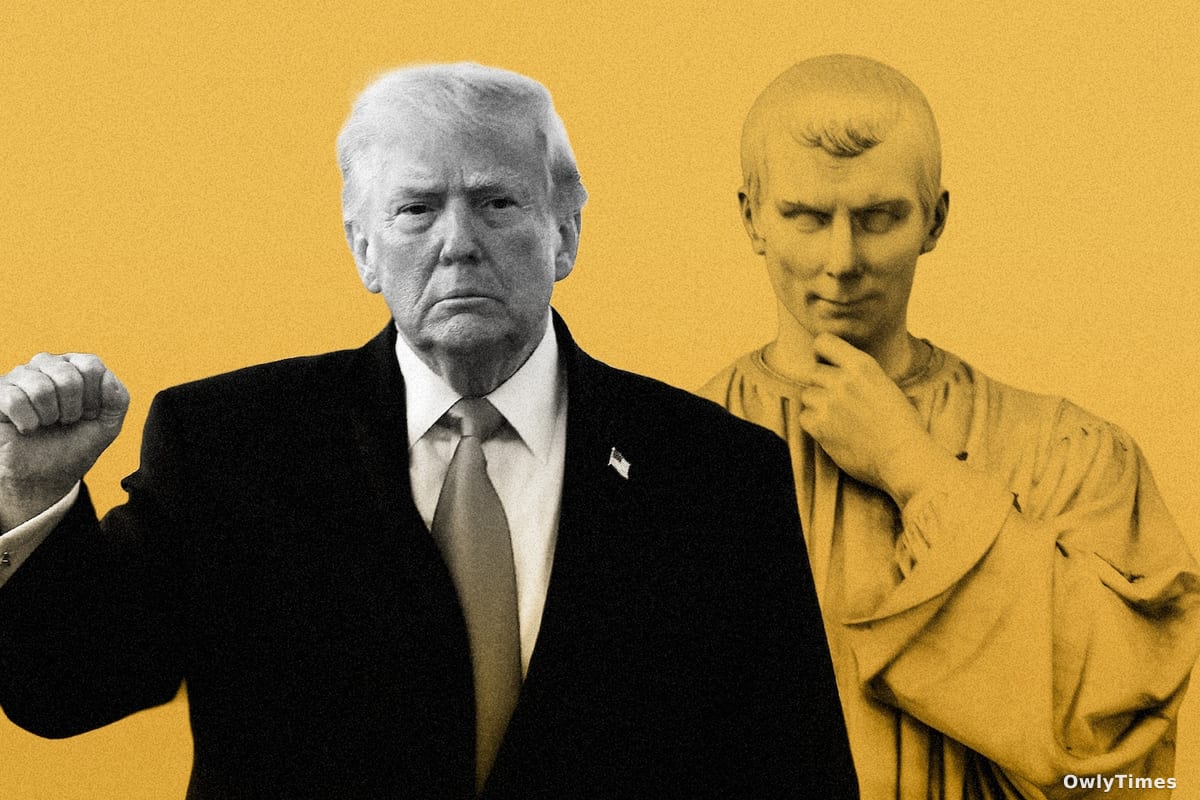

The strategic calculus behind Donald Trump’s governing philosophy relies on a fundamental rejection of incrementalism, favoring instead the kind of high-stakes volatility that forces opponents into reactive, defensive positions. While Niccolò Machiavelli famously argued in his 16th-century treatise The Prince that a ruler is better served by being impulsive than cautious, Trump has operationalized this theory as a primary instrument of statecraft. By eschewing the traditional, methodical pace of institutional politics, he creates a vacuum of unpredictability that his adversaries are consistently ill-equipped to fill.
Redrawing the Electoral Map in Texas
The application of this aggressive political posture was clearly visible last year when the president exerted significant pressure on the Texas state legislature. His objective was the rapid redrawing of electoral maps ahead of the midterm elections, a move calculated to solidify Republican control over the composition of Congress. By forcing a recalibration of district boundaries, the administration sought to transform geographic volatility into a durable legislative advantage.
Who benefits and who loses in this scenario is defined by the rigid math of reapportionment. The Republican Party benefits from a consolidated voting bloc, effectively insulating its incumbents from shifting demographic trends. Conversely, the opposition loses the ability to translate statewide shifts in voter sentiment into proportional representation, as the redrawn maps effectively quarantine their influence within specific, controlled districts. It is a classic exercise in power maintenance, where the strategic intent is not to persuade the electorate, but to architect the environment in which they vote.
Projecting Power Beyond Domestic Borders
The shift from domestic electoral engineering to foreign policy demonstrates the reach of this impulsive approach. This year, Trump moved beyond the scope of partisan maneuvering to seize an opportunity aimed at the total removal of the government of the Islamic Republic of Iran. This maneuver reflects a departure from the measured, multi-year diplomatic constraints that have historically governed Middle Eastern policy, opting instead for a singular, decisive rupture.
The risks associated with such a move are as immense as the intended payoff. The primary beneficiary of this strategy is the administration’s core base, which demands visible, kinetic evidence of strength against foreign adversaries. However, the potential for systemic instability in the region represents a significant liability for global markets and diplomatic alliances. Much like the 2008 financial crisis, where the rapid unraveling of complex systems caught regulators off guard, the sudden collapse of a established government structure creates a power vacuum that frequently defies the initial calculations of its architects.
The Calculus of Volatility
The consistency between the Texas gerrymandering efforts and the recent policy toward Iran lies in the administration’s reliance on the element of surprise. By operating without a predictable precedent, the executive branch forces other stakeholders—whether they are state-level legislators or international regimes—to pivot on a timeline dictated by the White House. This minimizes the space for organized resistance and maximizes the appearance of decisive, unchecked authority.
The next reading of the administration’s success will be found in the stability of the electoral majorities in Congress following the next round of legislative cycles. Whether this impulsive strategy results in a long-term consolidation of power or an overextension that invites a backlash will be determined by how effectively these structural changes withstand the next cycle of political scrutiny.