
Beyond Bed Counts: What Texas Health’s McKinney Hospital Reveals About North Texas Healthcare
The announcement from Texas Health Resources regarding a new hospital in McKinney, slated to open in 2028, isn’t simply about adding 60 initial beds (with potential to expand to 119). It’s a calculated response to a fundamental shift in the delivery of healthcare: the increasing demand for localized care driven by the rapid population growth reshaping North Texas. While headlines focus on capacity, the deeper story lies in how this expansion reflects a broader strategy to proactively address access challenges before they become critical, and what it signals about the competitive landscape of healthcare provision in the region.
Based on the original dallasnews.com report.
The decision, as articulated by Josh Floren, Texas Health’s Hospital Channel chief operating officer, hinges on Collin County reaching a “tipping point” where population density justifies a dedicated facility. This isn’t a speculative venture; the plan has already navigated McKinney’s zoning process, indicating a deliberate and phased approach. However, framing this solely as a response to growth risks overlooking the proactive element. Texas Health isn’t merely reacting to new residents; they are positioning themselves to capture a larger share of a growing market and alleviate pressure on existing facilities, particularly as suburban areas experience exponential increases in population. This is particularly relevant given the existing presence of competitors like Methodist McKinney Hospital, Medical City McKinney, and Baylor Scott & White in the area. The strategic location on the north side of McKinney, closer to Melissa, suggests a targeted effort to serve a currently underserved segment of the population.
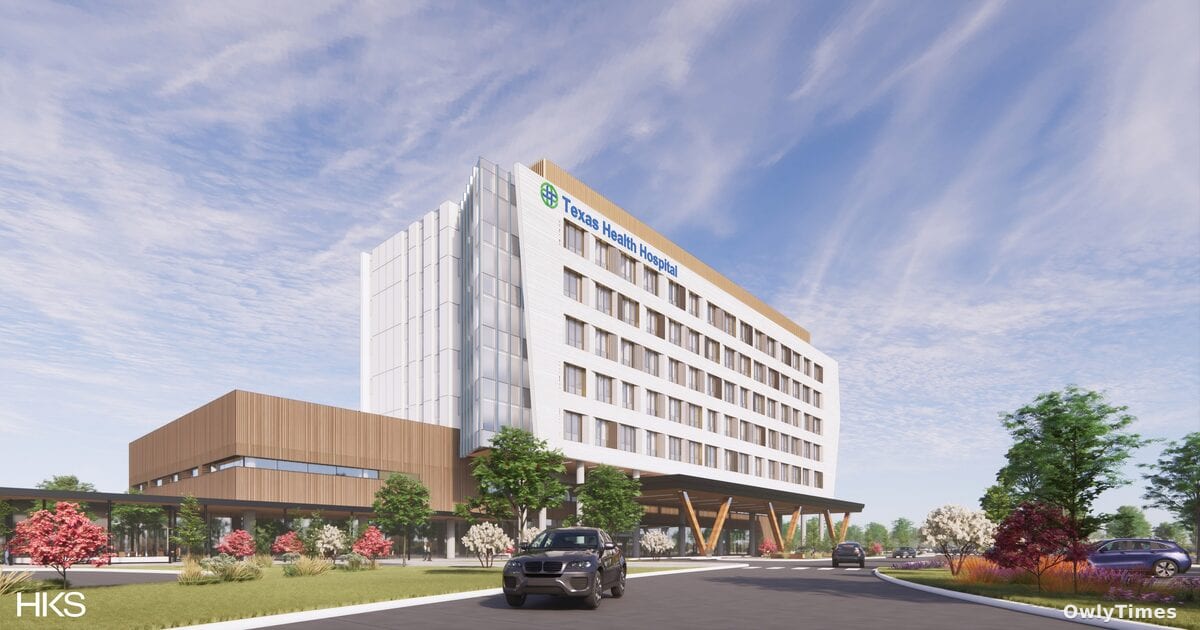
The planned seven-story hospital will include essential services – surgical suites, labor and delivery, a neonatal intensive care unit (NICU), and an emergency department – mirroring the comprehensive care model offered at other Texas Health facilities. This isn’t a specialized center; it’s designed to be a full-service community hospital. The projected creation of “a few hundred jobs” is a welcome economic benefit, but the true impact will be measured in improved patient outcomes and reduced travel times for residents. Floren emphasizes the goal of “taking care of these patients in their community,” a sentiment that resonates with the growing consumer demand for convenient and accessible healthcare. This aligns with national trends showing patients increasingly prioritizing proximity and ease of access when choosing healthcare providers.
However, it’s crucial to understand what this announcement doesn’t tell us. While Deanna Boyd Spangler provided a cost comparison of $320 million for the Forney medical campus, Texas Health has yet to disclose the estimated price tag for the McKinney hospital. This lack of transparency raises questions about the financial implications of this expansion and how it will impact healthcare costs for patients. Furthermore, the expansion capacity to 119 beds is contingent on “local population growth and whether other new hospitals pop up, too.” This introduces an element of uncertainty – the hospital’s ultimate size and scope are not fixed, but rather dependent on external factors and competitive dynamics. This is a common practice in healthcare planning, allowing for flexibility, but it also means the promised level of service isn’t guaranteed.
Limitations to consider include the potential for overestimation of demand. While Collin County is growing rapidly, predicting future population trends with absolute certainty is impossible. An economic downturn or a shift in migration patterns could impact the hospital’s utilization rate. Additionally, the success of the hospital will depend on its ability to attract and retain qualified medical professionals, a challenge facing healthcare systems nationwide. The current design phase and lack of a confirmed groundbreaking date further underscore the uncertainties inherent in large-scale construction projects.
The next critical step is to monitor the hospital’s progress through the design and construction phases, paying close attention to the final cost estimates and the timeline for completion. More importantly, we need to observe how Texas Health integrates this new facility into its existing network and how it addresses potential overlaps in services with other hospitals in the region. The real test won’t be the opening of the doors in 2028, but whether this investment translates into demonstrably improved access to care and better health outcomes for the residents of McKinney and surrounding communities. Will this expansion truly alleviate strain on the system, or simply redistribute existing resources? That’s the question North Texans should be watching for.





