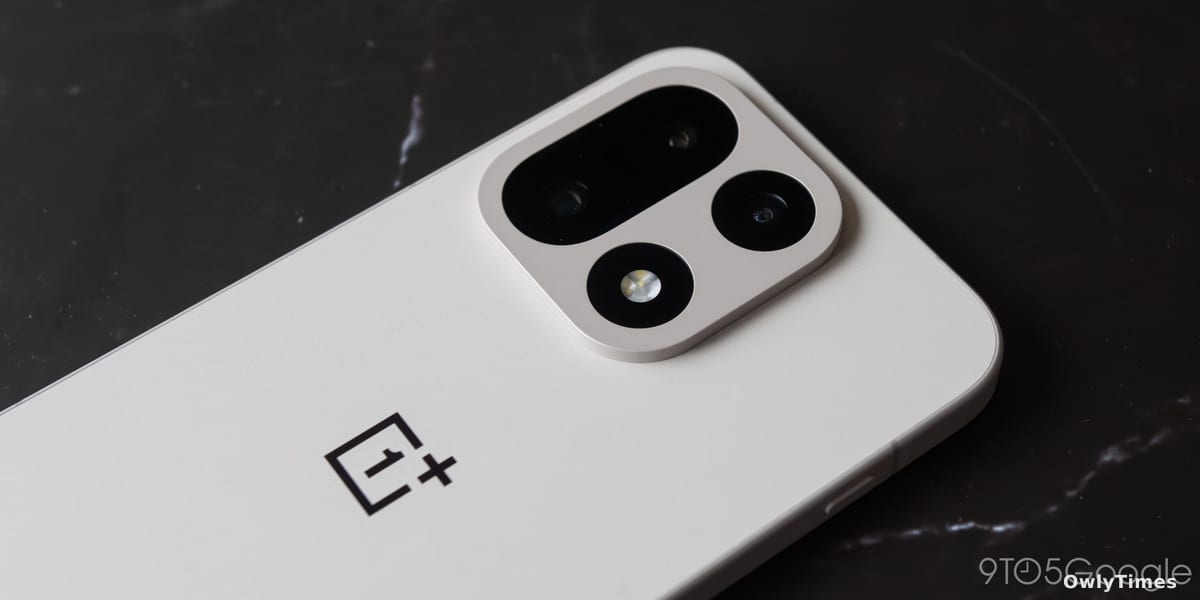

Is the smartphone enthusiast’s favorite "independent" underdog finally breathing its last, or is it just being folded into a corporate filing cabinet? For years, OnePlus traded on the image of a scrappy, fan-focused disruptor, but the reality behind the curtain has always been a tight entanglement with its parent company, Oppo. The real story here isn't just about a brand shift—it’s about the brutal efficiency of modern hardware consolidation, where distinct identities are increasingly seen as overhead rather than assets.
The End of the Independent Illusion
While the company has spent months insisting it is business as usual, the walls are closing in. According to a report by Digital Chat Station on Weibo, OnePlus and Realme have officially merged. This isn't just a corporate handshake; the two brands are folding their global and domestic operations under a new "sub-product center." Marketing, services, and, perhaps most tellingly, the "reuse of product lines" are all being funneled into a single, unified pipeline reporting to Pete Lau (Liu Zuohu).
Think of this like a restaurant chain that decides to stop running two separate kitchens. Instead of having one chef cook a signature dish and another cook a value-menu item, management realizes they can use the same ingredients, the same pans, and the same staff to produce nearly identical meals with different logos slapped on the plate. For the consumer, it means the illusion of choice is rapidly evaporating. When product lines are reused, the distinct "soul" of a device—its unique software tweaks or hardware quirks—is often the first thing cut to save a few pennies on the assembly line.
A Global Retreat in Real Time
This merger is the latest domino to fall in what appears to be a broader retraction of the brand. We previously reported that OnePlus is actively evaluating its future in Europe, with potential operations shutting down as early as April. The contrast here is jarring: Realme maintains a footprint in European and global markets, while OnePlus has long held a specific, almost cult-like presence in the United States.
By merging these teams, the company is effectively creating a safety net for its parent, Oppo. Realme had already been merged with Oppo earlier this year, so this latest move essentially completes the absorption of the entire family tree. If you are an American user who has relied on the brand for years, you are watching a specialized tool get replaced by a generic utility knife.
The Hardware Limbo
The uncertainty isn't just theoretical; it’s sitting on our wrists. The OnePlus Watch 4 appeared earlier this month, boasting a titanium body and Wear OS 6, but the device exists in a vacuum. There is no pricing, no specific launch timeline, and no clear strategy for how it fits into a company that seems to be pulling back from global markets. It is a product without a launchpad.
When a tech company stops providing a roadmap, the product usually stops being a priority. We have seen this cycle before: the brand becomes a shell, the staff is cut, and the remaining resources are redirected toward whatever serves the parent company’s bottom line. The next reading of the company’s product launch schedule will show whether there is any life left in the OnePlus name, or if the brand is simply being kept on life support until the last inventory is cleared.